

Branding Trends 2026: Top 7 Visual Branding Trends to Watch
Every year brings new aesthetics, tools, and creative directions, but the smartest brands know the difference between meaningful evolution and chasing trends blindly. The most successful companies use branding trends 2026 as inspiration—not instruction manuals.
For founders, marketing teams, and creative directors, staying aware of emerging brand design trends can help ensure a brand feels current, competitive, and culturally relevant. At the same time, strong brands maintain a core identity that remains consistent over time.
In this guide, we break down the most important visual branding ideas shaping 2026 and how businesses can apply them strategically rather than reactively.
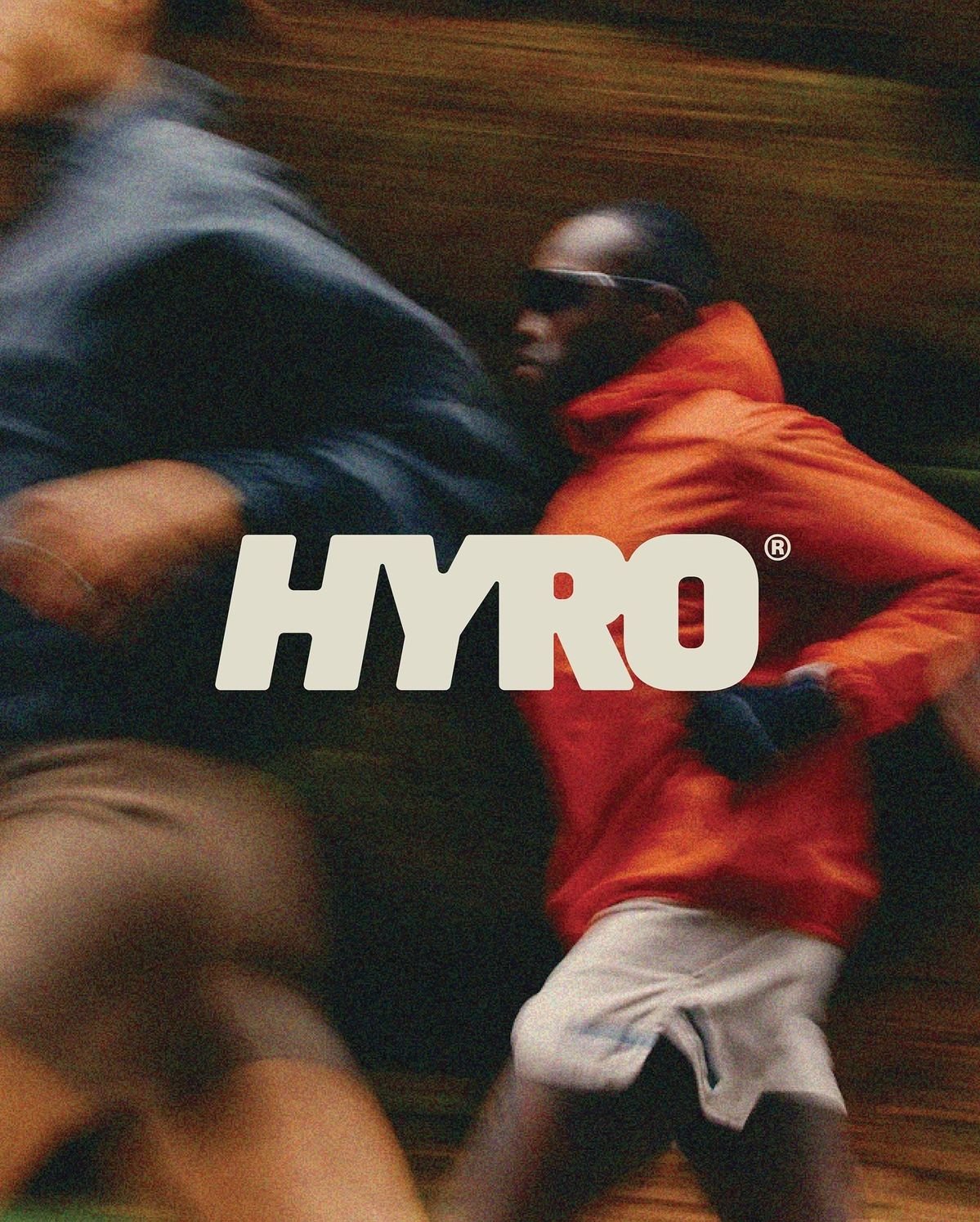
Why Branding Trends Matter
Branding trends often reflect broader cultural shifts. Changes in technology, digital behavior, and design tools influence how brands communicate visually.
But trend awareness doesn’t mean trend chasing.
Strong brands:
Understand emerging aesthetics
Adapt relevant elements thoughtfully
Maintain a recognizable identity
Companies like Apple and Nike are excellent examples of this balance. Their visual identities evolve subtly over time while maintaining strong brand recognition.
When applied correctly, modern visual branding ideas help brands stay fresh while still feeling authentic.
Trend #1: Hyper-Minimal but Expressive Typography
Typography is becoming the hero of many brand identities.
Instead of relying on complex visuals, brands are using bold typography systems to carry their messaging.
This trend includes:
Oversized headline typography
Custom typefaces
Bold sans serif fonts
Strong editorial layouts
Platforms like Google Fonts and Adobe Fonts are making it easier than ever for brands to experiment with expressive typography.
Typography-led identities create clarity while allowing brands to communicate personality through type alone.
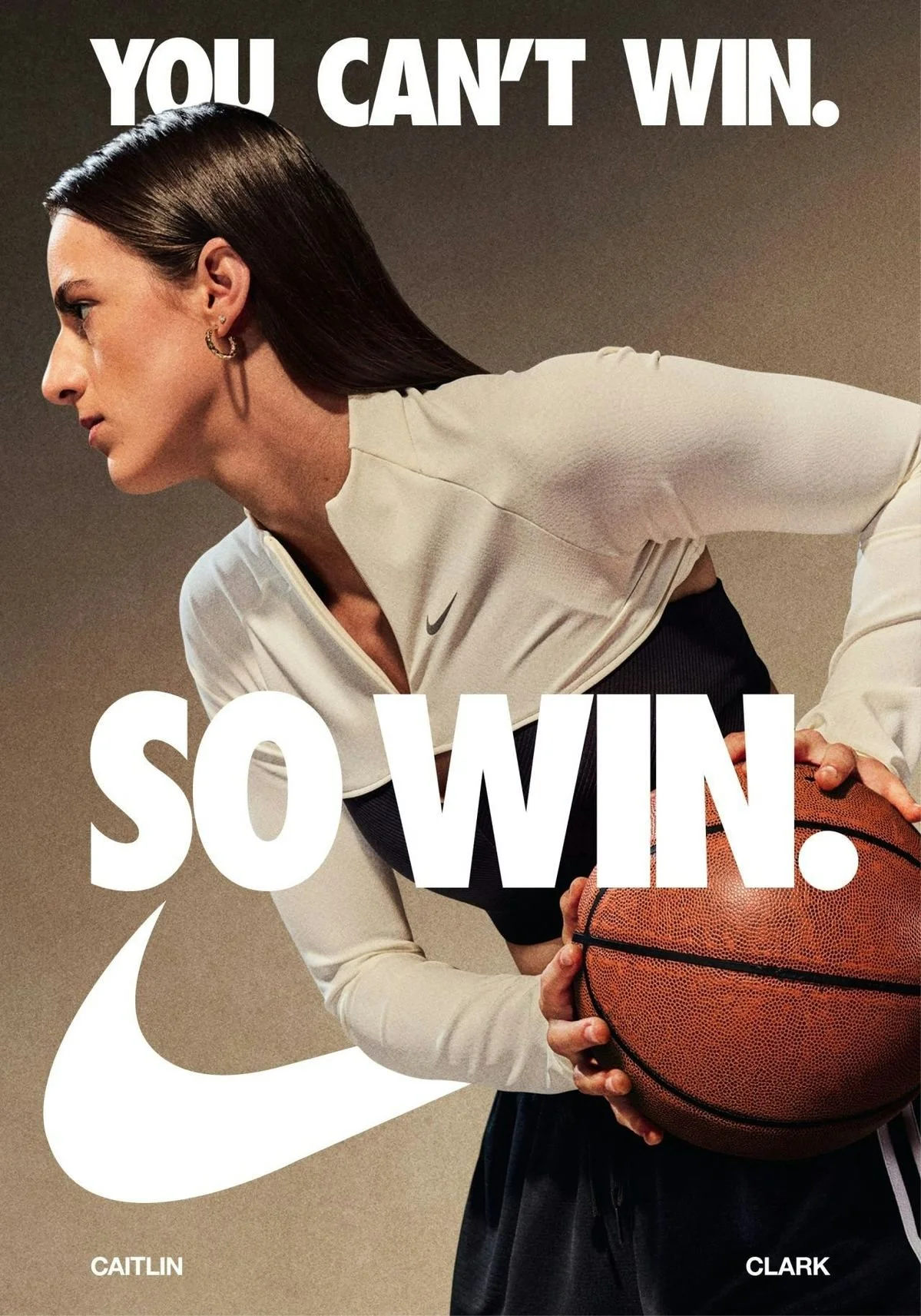
Nike
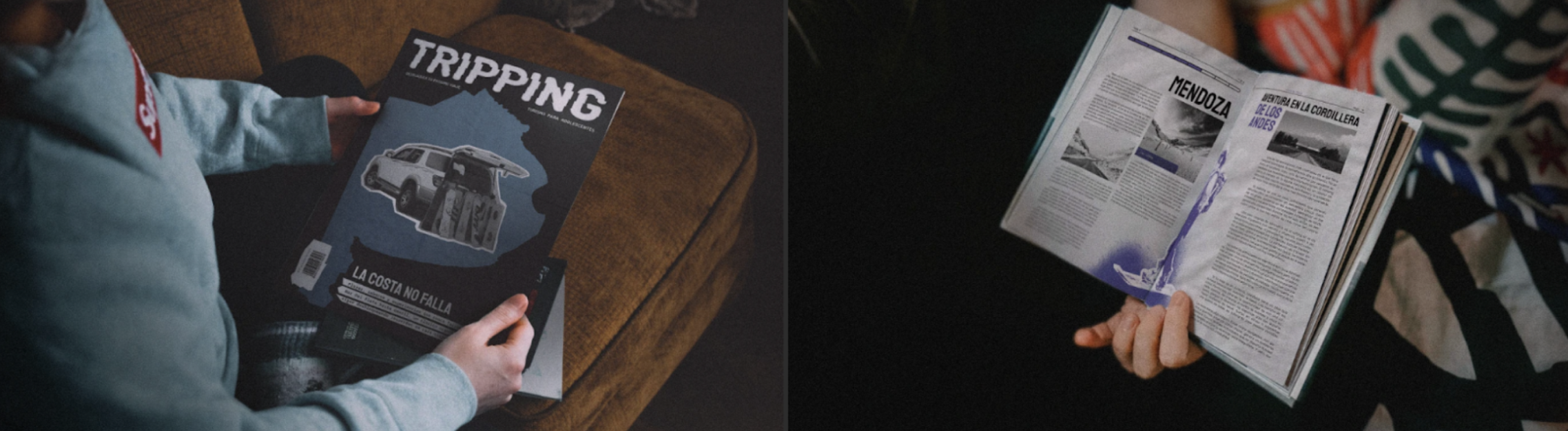
Trend #2: Intentional Imperfection
For years, branding leaned toward polished, ultra-clean aesthetics. In 2026, we’re seeing a shift toward more human and imperfect visual styles.
Designers are incorporating:
Film grain and noise textures
Collage-style compositions
Hand-drawn elements
Raw textures and overlays
This aesthetic creates authenticity in a digital environment that often feels overly polished.
Creative inspiration platforms such as Behance and Dribbble showcase many examples of this movement within emerging logo design trends 2026 and broader identity systems.
Trend #3: AI-Enhanced Visual Systems
Artificial intelligence is rapidly becoming a design collaborator.
Tools like Adobe Firefly, Midjourney, and Kittl are enabling designers to generate visual concepts faster than ever before.
However, the most effective brands are not replacing designers with AI—they’re using AI to enhance creative workflows.
Examples of AI integration include:
Generating background visuals
Concept exploration during ideation
AI-assisted mockups and visual experimentation
These hybrid workflows are quickly becoming part of modern brand design trends, particularly for digital-first brands.
Trend #4: Nostalgic Digital Aesthetics
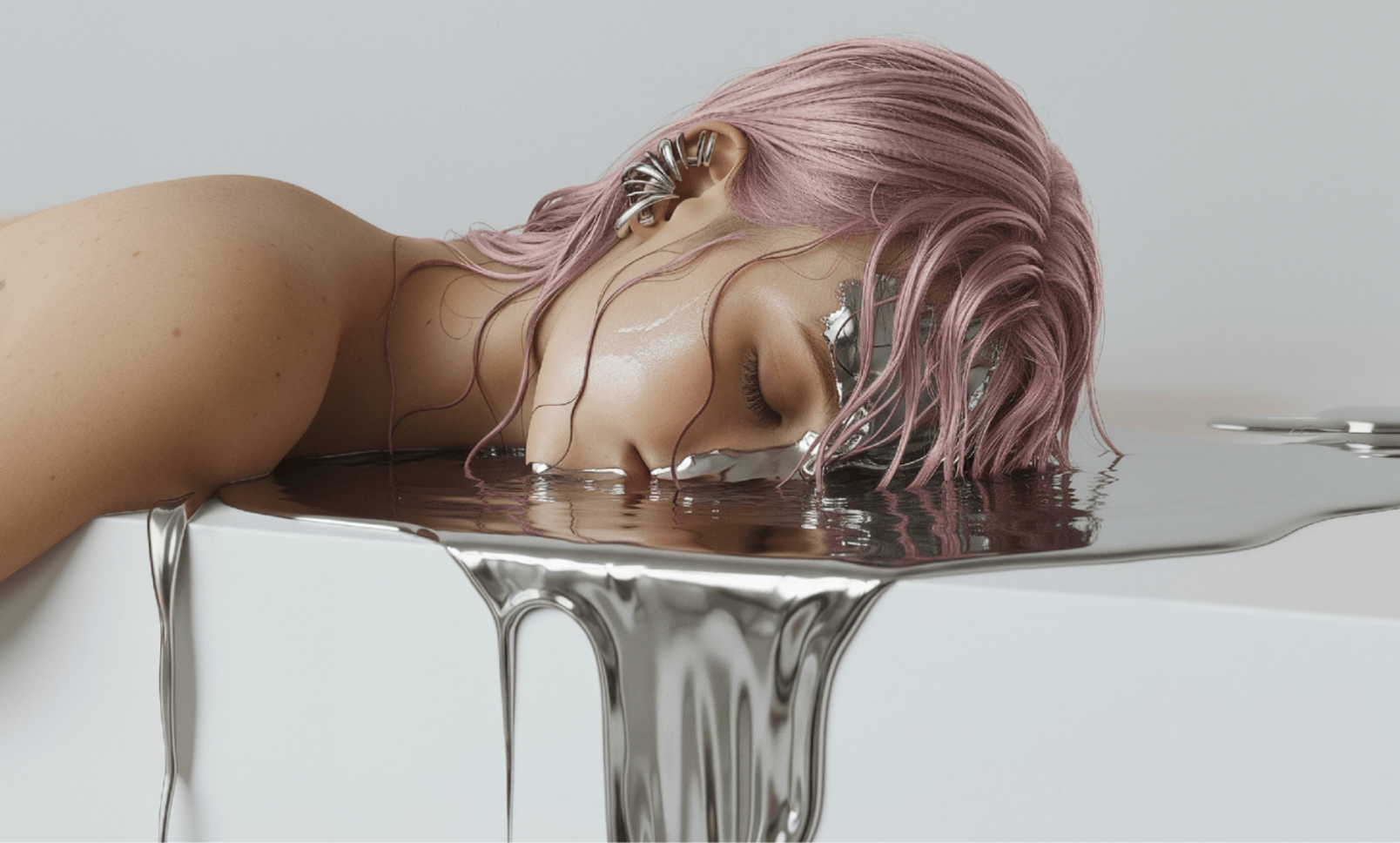
Another defining visual direction in branding trends 2026 is a revival of early internet aesthetics.
Elements of this style include:
Y2K-inspired visuals
Retro-futuristic gradients
Chrome textures and digital nostalgia
Low-fi digital effects
Fashion and lifestyle brands like Diesel and digital-first brands across platforms are experimenting with these nostalgic aesthetics in campaigns and visual identities.
Brands targeting younger audiences often incorporate these visual branding ideas to tap into cultural nostalgia while maintaining contemporary design standards.
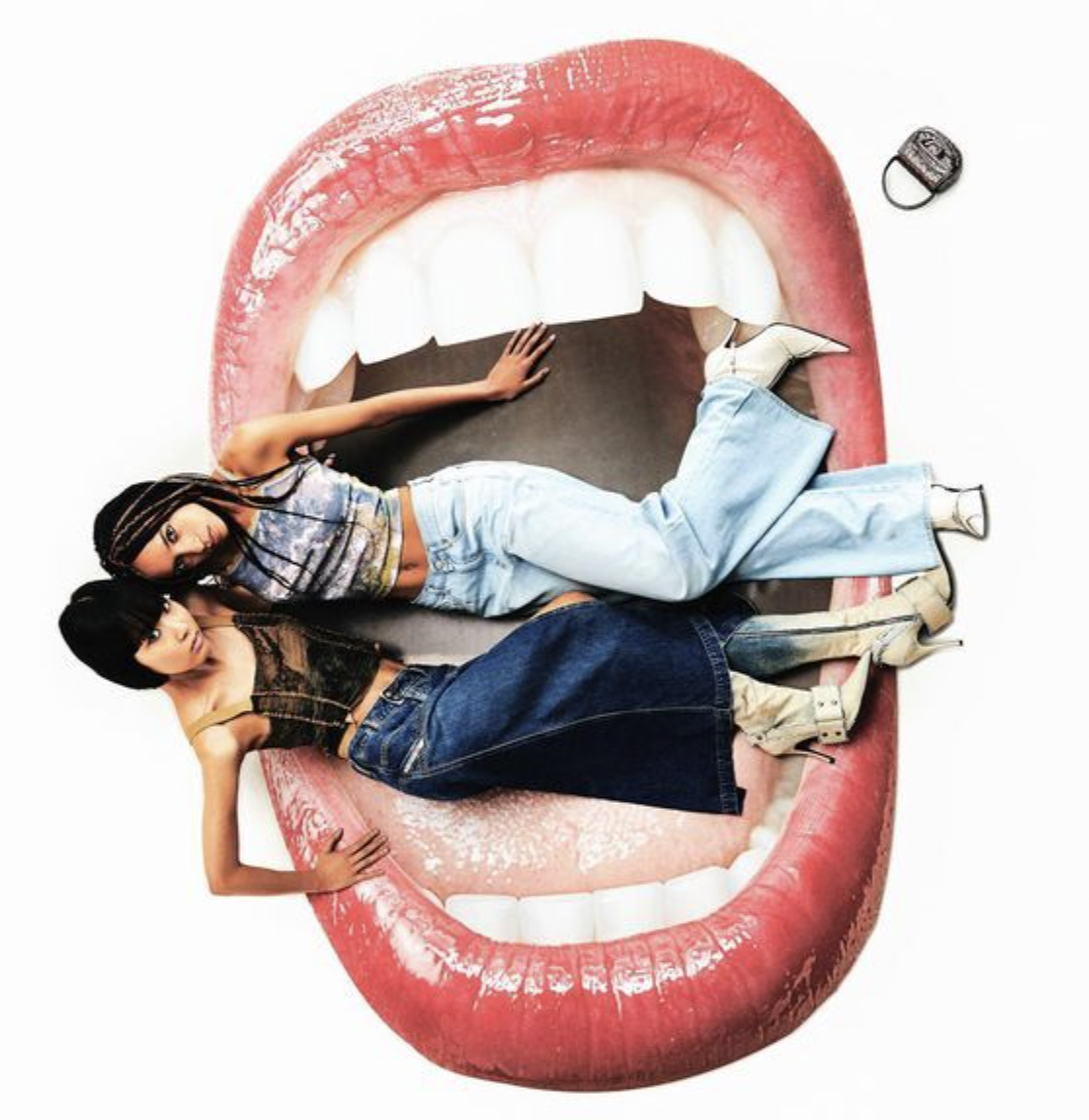
Diesel: Fizzymag.com
Trend #5: Deep, Moody Colour Palettes
For years, soft pastels dominated brand palettes. In 2026, we’re seeing a return to richer, more dramatic colours.
Trending palettes include:
Deep browns
Oxblood reds
Dark emerald greens
Midnight blues
These colours evoke emotional depth and sophistication, making them especially popular in premium lifestyle and wellness brands.
Brands like Aesop demonstrate how moody, earthy palettes can create a premium visual identity that feels sophisticated and timeless.
Designers often experiment with palettes using tools like Coolors.

Trend #6: Modular Branding Systems
Digital brands now operate across dozens of touchpoints—websites, social media, packaging, and advertising.
Because of this, rigid brand identities are becoming less practical.
Instead, many companies are adopting modular branding systems.
These systems include:
Flexible logo variations
Scalable design components
Dynamic layout systems
Adaptable colour combinations
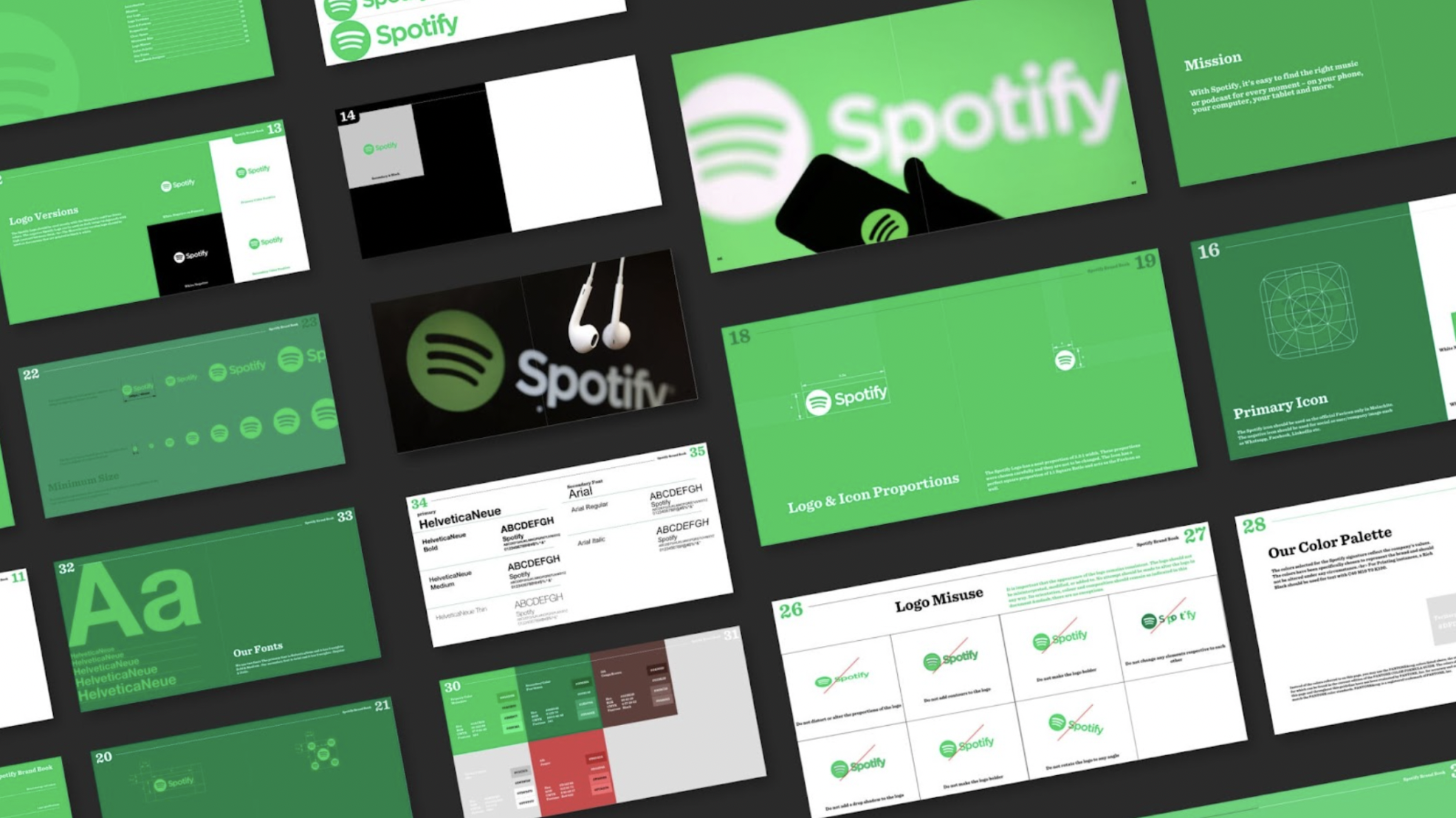
Modular identity frameworks allow brands to maintain consistency while remaining flexible across platforms.
Companies like Spotify have pioneered this approach with highly adaptable brand systems.
These flexible identities represent one of the most important brand design trends shaping modern digital brands.
Trend #7: Purpose-Led Visual Messaging
Consumers increasingly expect brands to communicate their values clearly.
As a result, branding is becoming more transparent and purpose-driven.
This includes visual cues such as:
Sustainability-focused design language
Authentic photography instead of stock imagery
Honest storytelling within brand content
Clear messaging around environmental or social initiatives
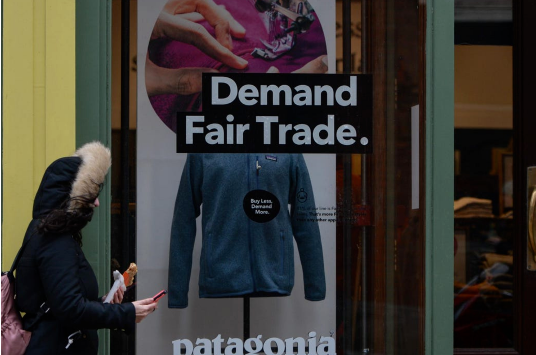
Brands like Patagonia demonstrate how purpose-driven visuals can strengthen brand identity while reinforcing trust with audiences.
Purpose-led storytelling is shaping many visual branding ideas in industries ranging from hospitality to wellness and consumer goods.
What’s Fading Out in 2026
Just as some design trends are rising, others are slowly fading.
Design styles losing momentum include:
Generic flat vector illustration packs
Overused pastel gradients
Corporate “safe” branding with no personality
Today’s audiences respond to brands that feel distinctive and authentic. Generic visual systems no longer capture attention in crowded digital environments.
How to Apply Trends Without Losing Your Brand
While exploring branding trends 2026 can be inspiring, the biggest mistake companies make is redesigning their identity around trends alone.
Instead, successful brands follow a simple framework:
Use trends as accents, not foundations.
Before making visual changes, businesses should ask:
Does this trend align with our positioning?
Will it still make sense in three years?
Does it strengthen our brand story?
A thoughtful brand audit often reveals where small visual updates can modernize a brand without sacrificing recognition.
The goal is evolution—not reinvention.
Final Thoughts
Design trends will always evolve, but the strongest brands know how to balance cultural relevance with timeless identity.
The most important takeaway from branding trends 2026 is not which aesthetic becomes popular—it’s understanding how brands strategically adapt to change.
By observing emerging brand design trends, experimenting with new visual branding ideas, and applying them thoughtfully, businesses can keep their identities fresh without losing their core brand foundation.
Ready to Evolve Your Brand for 2026?
If your brand needs a strategic refresh or visual evolution, the right approach starts with clarity—not guesswork.
Explore branding services or book a discovery session and let’s future-proof your identity.
