

The ROI of Brand Building: Is It Actually Worth the Investment?
For many founders and marketing teams, the ROI of branding is one of the most debated topics in business strategy. Unlike paid advertising—where clicks and conversions can be measured instantly—branding often feels intangible. It’s common to hear questions like: Does branding actually work? or Is it just about logos and aesthetics?
The truth is that branding does generate measurable return, but it compounds over time rather than appearing overnight. Businesses that understand the value of brand building often outperform competitors because they build trust, recognition, and long-term loyalty. When executed strategically, branding influences everything from conversion rates to customer retention—and ultimately drives sustainable growth.

Image: twojeys team
The Big Question: Does Branding Actually Generate ROI?
One of the biggest misconceptions founders have is believing that branding can’t be measured.
In reality, branding impacts almost every performance metric in a business. The difficulty lies in understanding where and when those returns appear.
For example, companies investing in brand clarity often experience:
Higher ad click-through rates
Increased conversion rates on landing pages
Stronger engagement across social channels
Higher perceived product value
These improvements show that branding does work—but the results typically appear across multiple marketing channels rather than one isolated metric.
Branding is not a single campaign. It’s a strategic foundation that improves the effectiveness of everything built on top of it.
What ROI in Branding Actually Means
To properly understand the ROI of branding, it helps to break returns into three time horizons: short-term, mid-term, and long-term.
Short-Term ROI
The first impact of strong branding is often seen in marketing performance.
When a brand has clear messaging and visual consistency, customers understand the offer faster and trust the company sooner.
Short-term benefits may include:
Improved conversion rates
Higher ad engagement
Stronger website interactions
Increased social media engagement
Research from Nielsen has shown that brand strength directly influences advertising effectiveness. When audiences recognize and trust a brand, marketing campaigns perform significantly better.
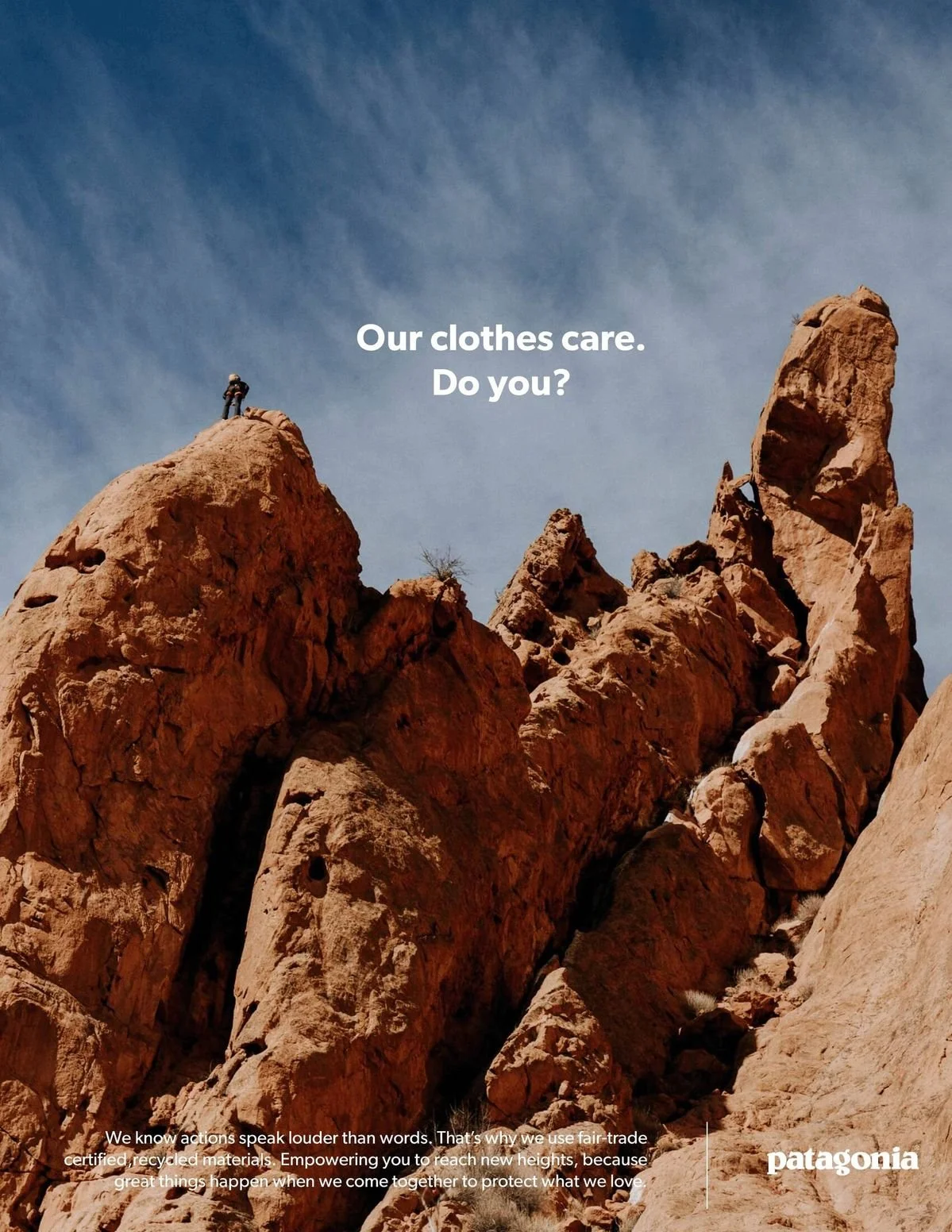
Image: adsoftheworld
Mid-Term ROI
As a brand becomes more established, the brand investment return becomes more visible in customer behavior.
Businesses begin seeing:
Higher customer retention
Increased brand loyalty
Greater willingness to pay premium prices
This stage is where the value of brand building becomes obvious. Instead of constantly competing on price, businesses compete on trust, identity, and reputation.
Brands like Patagonia demonstrate this principle clearly. Their strong identities allow them to charge premium prices because customers connect with what the brand represents—not just the product itself.
Long-Term ROI
The most powerful return from branding happens over time.
Strong brands accumulate brand equity, which dramatically lowers marketing costs and increases organic growth.
Long-term branding ROI includes:
Lower customer acquisition costs
Higher lifetime customer value
Increased direct traffic and branded search
Strong word-of-mouth marketing
Companies like Apple and Nike illustrate this effect. Their brand equity drives demand even before new products are released.
This compounding effect is why serious companies treat branding as a long-term strategic investment rather than a cosmetic exercise.

Real Examples: Brand Strategy in Practice
Brand ROI becomes clearer when looking at real-world brand transformations.
At Legs Brands, we’ve seen firsthand how strategic positioning and identity work can influence marketing performance.
Big Boar Safaris
By refining the brand positioning and communication strategy for Big Boar Safaris, the business experienced a significant surge in audience engagement and inbound leads.
Clearer messaging and structured content strategy resulted in:
Over 3,000 inbound leads
Approximately 2,000 newsletter sign-ups
Stronger positioning within the hunting tourism market
The key takeaway wasn’t just the visual update—it was the strategic clarity behind the brand narrative.
Loren de Vos Interiors
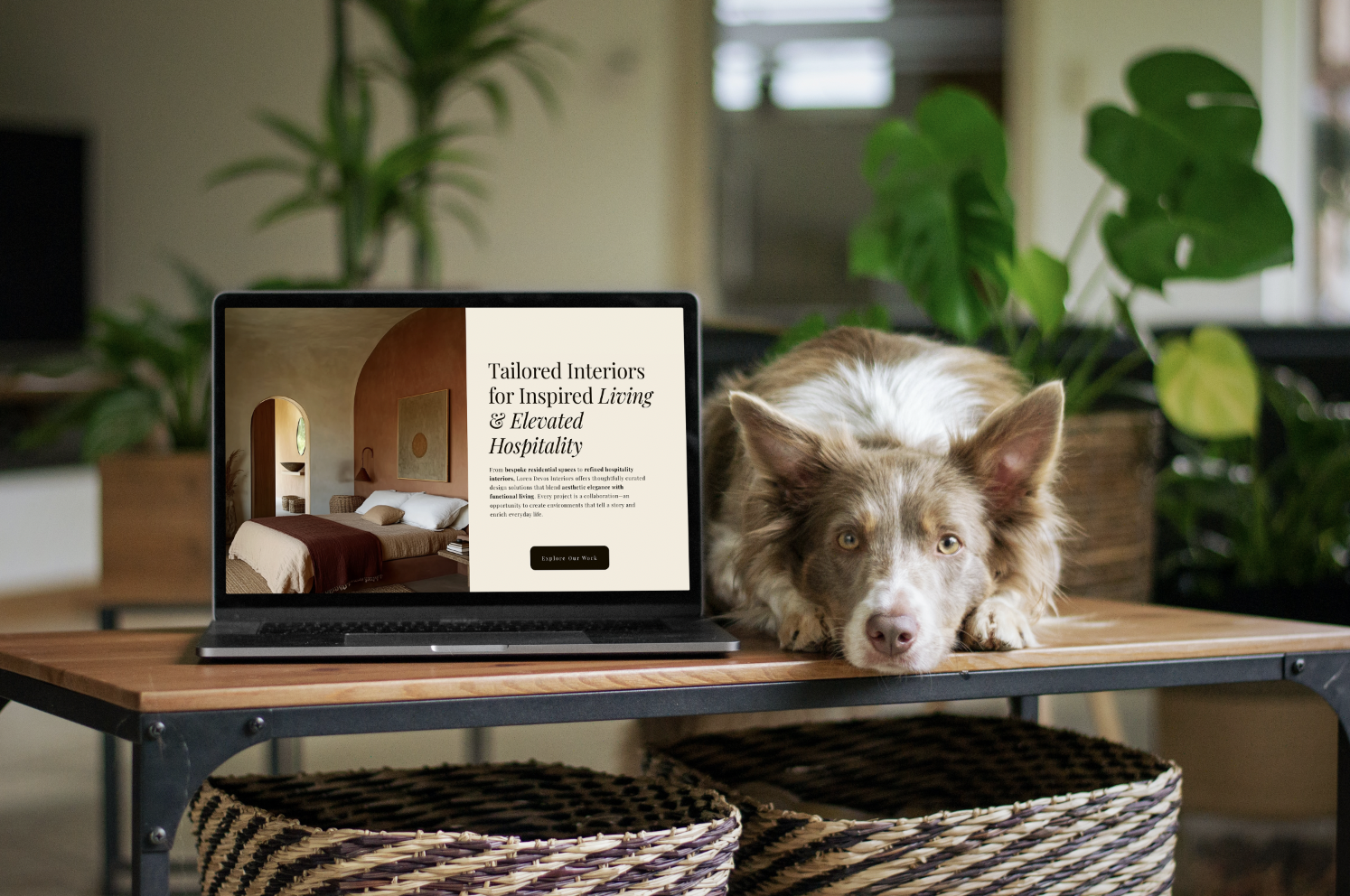
For Loren de Vos Interiors, branding focused on elevating the company’s market positioning.
Through refined identity design and messaging clarity, the business strengthened its premium perception. The result was clearer differentiation within the interior design space and stronger alignment with high-end clientele.
This demonstrates how brand clarity directly influences perceived value.
Flolab Institute
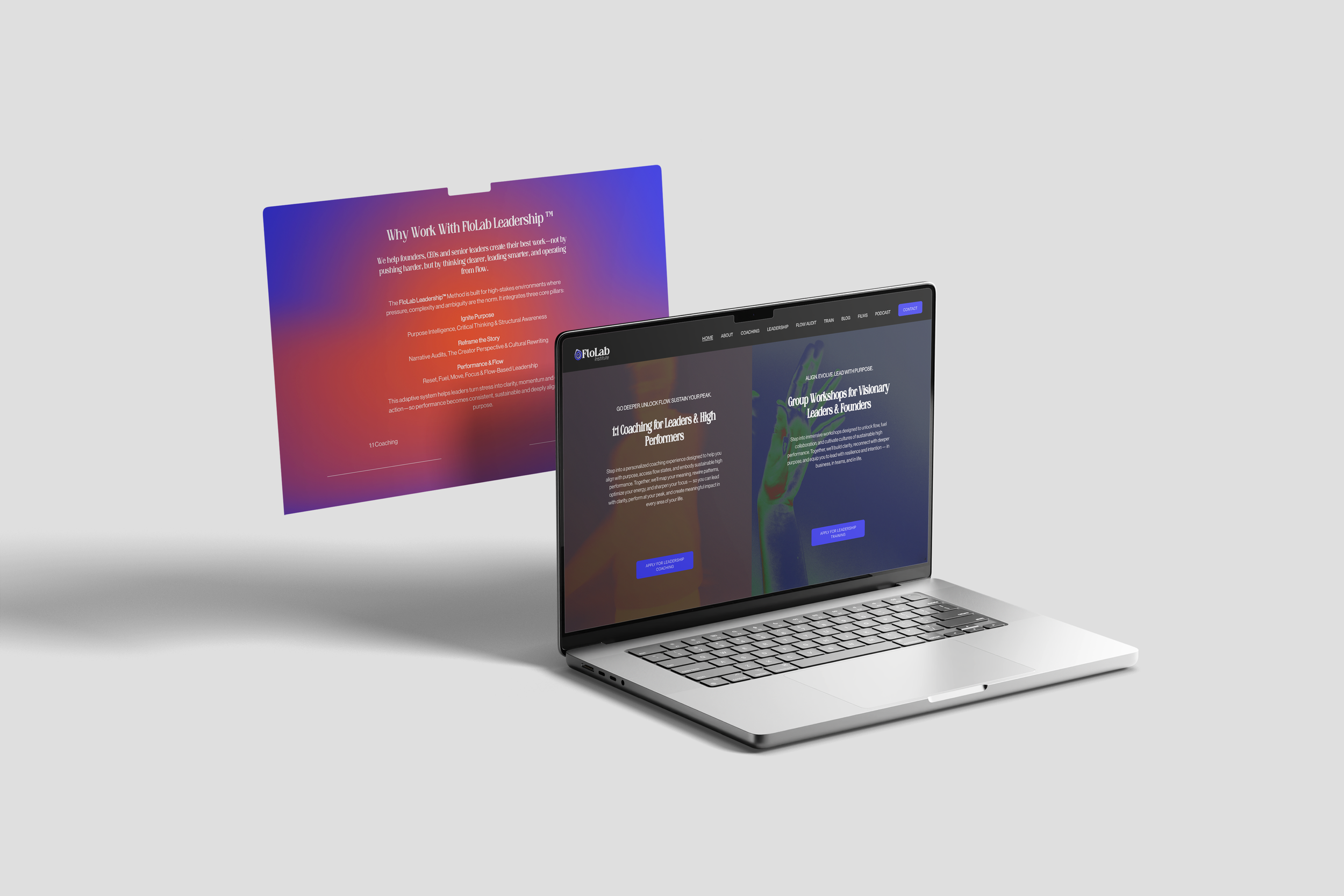
The brand transformation for Flolab Institute focused on strategic repositioning within the wellness and performance coaching space.
By sharpening the brand’s niche and visual identity, the company gained:
Clearer authority in its category
Stronger audience recognition
More focused messaging for marketing campaigns
These shifts highlight how the brand investment return often appears through improved positioning and market credibility.
How Branding Impacts Paid Ads
One of the most overlooked aspects of branding is its direct influence on advertising performance.
When brands invest in identity and messaging clarity, ad campaigns often perform significantly better.
This happens because:
Clear brand messaging improves click-through rates
Strong visual identity reduces ad fatigue
Consistent brand tone builds trust quickly
Platforms like Meta Ads Manager and Google Ads often show higher performance when campaigns are supported by recognizable branding.
In other words, branding doesn’t replace advertising—it makes advertising more effective.
The Cost of Not Investing in Brand
While branding delivers compounding benefits, the absence of branding creates its own costs.
Businesses that neglect brand strategy often struggle with:
Generic positioning
Competing purely on price
Weak customer trust
Inconsistent messaging
Without clear identity, companies are forced to rely heavily on paid advertising to maintain visibility. This leads to rising acquisition costs and lower margins.
In contrast, companies that invest early in the value of brand building create long-term advantages that reduce marketing friction over time.
How to Measure Brand ROI in 2026
Measuring branding performance requires looking beyond simple ad metrics.
Modern marketing teams track brand impact through a combination of indicators:
Conversion rate changes
Repeat purchase rate
Branded search volume
Direct website traffic growth
Customer lifetime value
Tools such as Google Analytics and Google Trends can help track how brand awareness and search behavior evolve over time.
By monitoring these signals, businesses can start quantifying the real ROI of branding.
When Branding Is NOT the Right Investment
While branding is powerful, it’s not always the first step for every business.
Brand investment may be premature if:
The product still lacks product-market fit
Operational capacity is not ready for growth
There is no budget to activate the brand through marketing
In these situations, companies should first focus on validating their product and operational systems before investing heavily in brand strategy.
Being transparent about this reality builds trust—and ensures branding investments are made at the right stage.

Final Thoughts
Branding is often misunderstood as a cosmetic exercise. In reality, it’s a strategic system that influences how customers perceive, trust, and choose a business.
The ROI of branding may not always appear instantly, but its effects compound across every marketing effort, from advertising performance to customer loyalty.
Companies that invest in structured brand strategy gain clarity, credibility, and long-term competitive advantage.
If you’re serious about building a business that stands out—not just competes on price—brand foundations are essential.
Check out our work and success stories from previous projects with our clients.
