

Purpose-Driven Branding: How to Build a Brand That Means Something
Why Purpose Matters More Than Ever in 2026
In 2026, purpose-driven branding is no longer a “nice-to-have” — it’s becoming the foundation of what makes brands memorable, trusted, and truly differentiated.
Startup founders and brand builders are navigating a noisy landscape: endless ads, endless content, endless competition. The brands cutting through aren’t always the loudest — they’re the clearest. They know what they stand for, and they build everything around it.
That’s the power of purpose. Not fluff. Not marketing theatre. Strategy.
What Is Purpose-Driven Branding?
Purpose-driven branding is the practice of building a brand around a deeper reason for existing — beyond profit, products, or trends.
It answers the question:
Why does this business matter in the world?
True purpose becomes a strategic anchor. It shapes:
Messaging
Customer loyalty
Company culture
Partnerships
Hiring
Long-term brand identity
It’s not about looking “ethical.” It’s about being aligned — internally and externally.
A strong purpose is what makes a brand feel real.
Purpose vs Feel-Good Marketing
Let’s be clear: purpose-driven branding is not the same as inspiration or “feel-good” advertising.
Purpose isn’t:
A slogan on your website
A trendy cause in your campaign
A recycled statement like “making the world better”
Purpose is reflected in decisions, not just messaging.
That’s where authenticity lives — and where many brands get it wrong.
Why Conscious Branding Is Rising Fast
Modern consumers are more values-aware than ever.
Gen Z and Millennials don’t just buy products — they buy into meaning, identity, and alignment.
That’s why conscious branding is shaping the next era of business.
People want to support brands that feel:
Transparent
Human
Mission-led
Community-driven
Consistent over time
Trust is the new currency — and purpose is how it’s earned.
This shift isn’t going away. It’s accelerating.
Real-World Examples of Purpose-Led Brands
Some brands don’t just market purpose — they operationalise it.
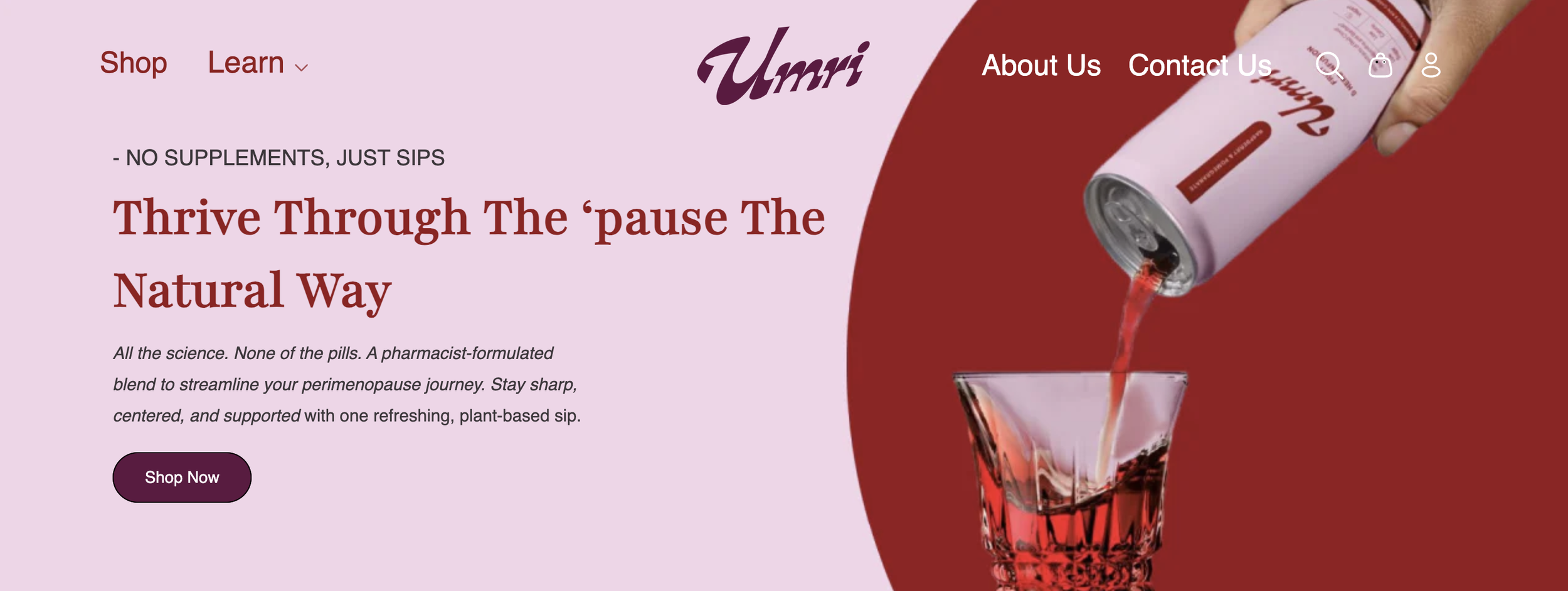
Image from Umri website
Umri
A great contemporary example of purpose-driven branding is Umri — a brand built around sustainability, intentional living, and community empowerment. Rather than just selling products, Umri positions its entire business around mindful consumption and quality craftsmanship, inviting customers into a lifestyle that aligns with deeper values.
From its mission statements to its product descriptions and community messaging, Umri consistently reflects a clear purpose: encouraging people to make choices that are both personally meaningful and environmentally responsible. This isn’t just marketing language — it shows up in how the brand sources materials, tells its story, and communicates across social channels and its online shop.
Umri’s example illustrates how purpose can shape both identity and experience — a brand that not only says what it stands for but structures every touchpoint around that reason for being.
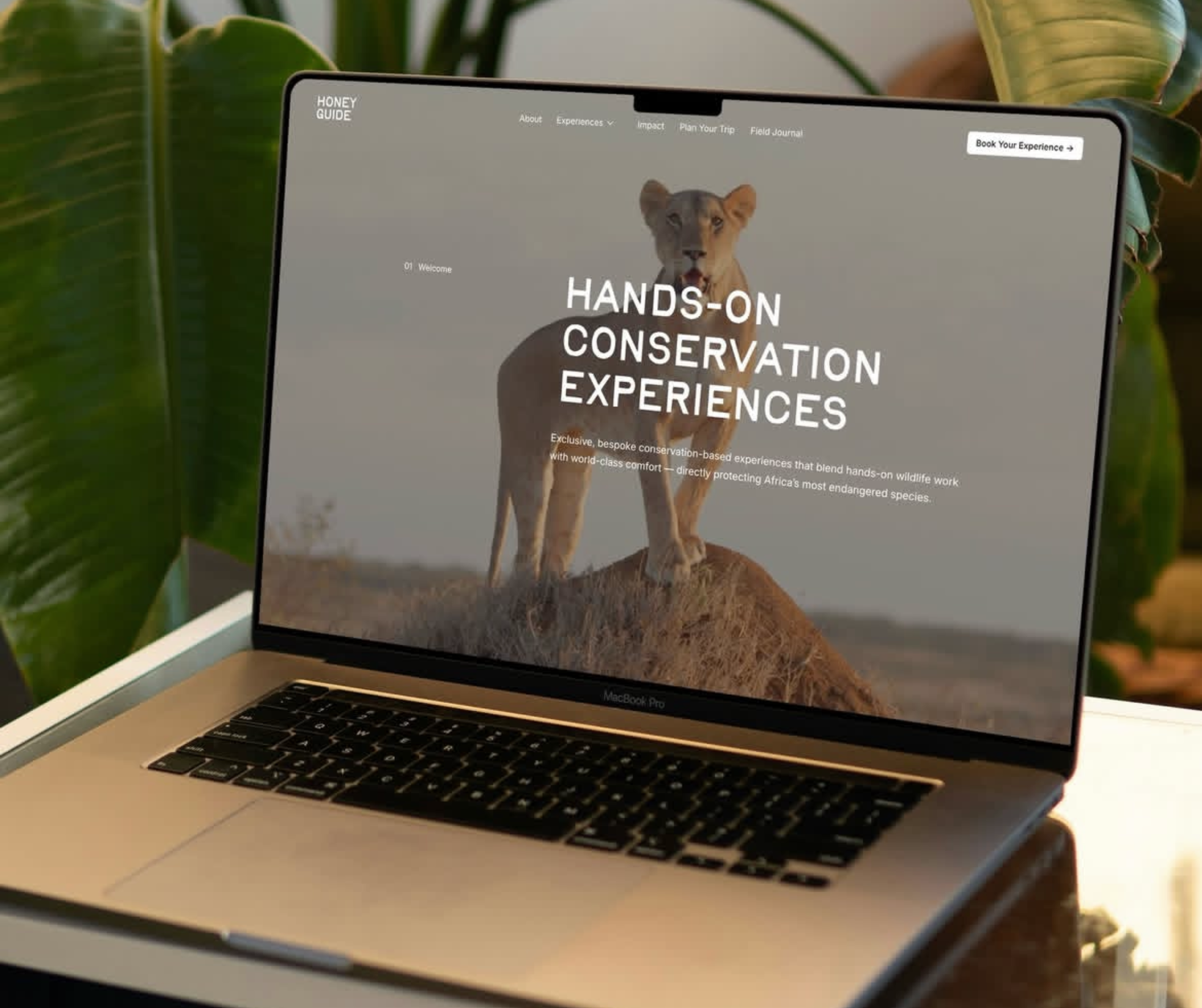
Honey Guide Experiences
Another great example of purpose-driven branding is Honey Guide — a brand that lives its mission out loud. Honey Guide isn’t just selling safari experiences; its purpose is rooted in conservation, education, and real impact on the ground. That mission shows up consistently in their storytelling, guest experiences, and the way they communicate across every touchpoint.
It’s a clear example of purpose lived through action — not just marketing.

Patagonia ensure they give as much as they get through the 1% pledge. (Brandthechange)
Patagonia
Built around environmental activism, Patagonia backs its values through supply chain choices, campaigns, and even donating profits.
How to Discover Your Brand Purpose
Purpose isn’t something you invent in a brainstorming session.
It’s something you uncover.
Here are a few grounding prompts:
What problem are we truly here to solve?
Who are we serving — and why do they matter?
What would the world lose if we disappeared?
What values are non-negotiable in how we operate?
Your purpose should feel specific, honest, and deeply connected to your origin.
This is where your brand mission statement begins.
Building a Brand Mission Statement That Actually Means Something
A mission statement should not sound like corporate wallpaper.
A strong brand mission statement is:
Clear
Human
Actionable
Differentiated
Rooted in reality
Bad example: “We aim to innovate for a better tomorrow.”
Better example: “We exist to make outdoor wellness accessible for people who want to live lighter, healthier lives.”
Purpose Shapes More Than Marketing
Here’s the truth: purpose-driven branding isn’t just customer-facing. It becomes your internal compass.
Purpose affects:
The kind of team you attract
The partnerships you say yes to
The content you create
The communities you build
The stories you tell
In other words: purpose becomes culture.
The strongest brands don’t just sell — they belong.
Avoiding Purpose-Washing
Purpose-washing, similar to green-washing, happens when brands perform meaning without embodying it.
To stay authentic:
Avoid vague language
Don’t attach yourself to causes you don’t support operationally
Make sure your purpose shows up in product, people, and process
Build trust slowly — not through grand statements
Authenticity is consistency over time.
That’s the difference between branding and belief.
“Purpose isn’t a marketing angle — it’s a business foundation.” – Evan Hamlyn, Legs Brands Founder

Photo of Evan Hamlyn from Medium.com
Ready to Build a Brand That Means Something?
If you want your brand to resonate deeper, stand out longer, and build real loyalty, start with alignment.
Explore how our purpose-driven branding process helps founders define mission, values, identity, and story — all in one strategic framework.
Ready to discover your purpose and build a brand that truly stands out?
