

Brand Identity vs. Brand Image: What’s the Difference (and Why It Matters)?

Why This Confusion Matters More in 2026
If you’re building a brand in 2026, clarity is everything. And one of the most misunderstood fundamentals is brand identity vs brand image.
Founders, interns, and even experienced marketers often use these terms interchangeably — but they mean very different things. And when you don’t understand the difference, you risk building a brand that looks polished… but lands poorly.
Let’s break it down properly.
Brand Identity vs Brand Image (The Simple Definition)
Think of it like this:
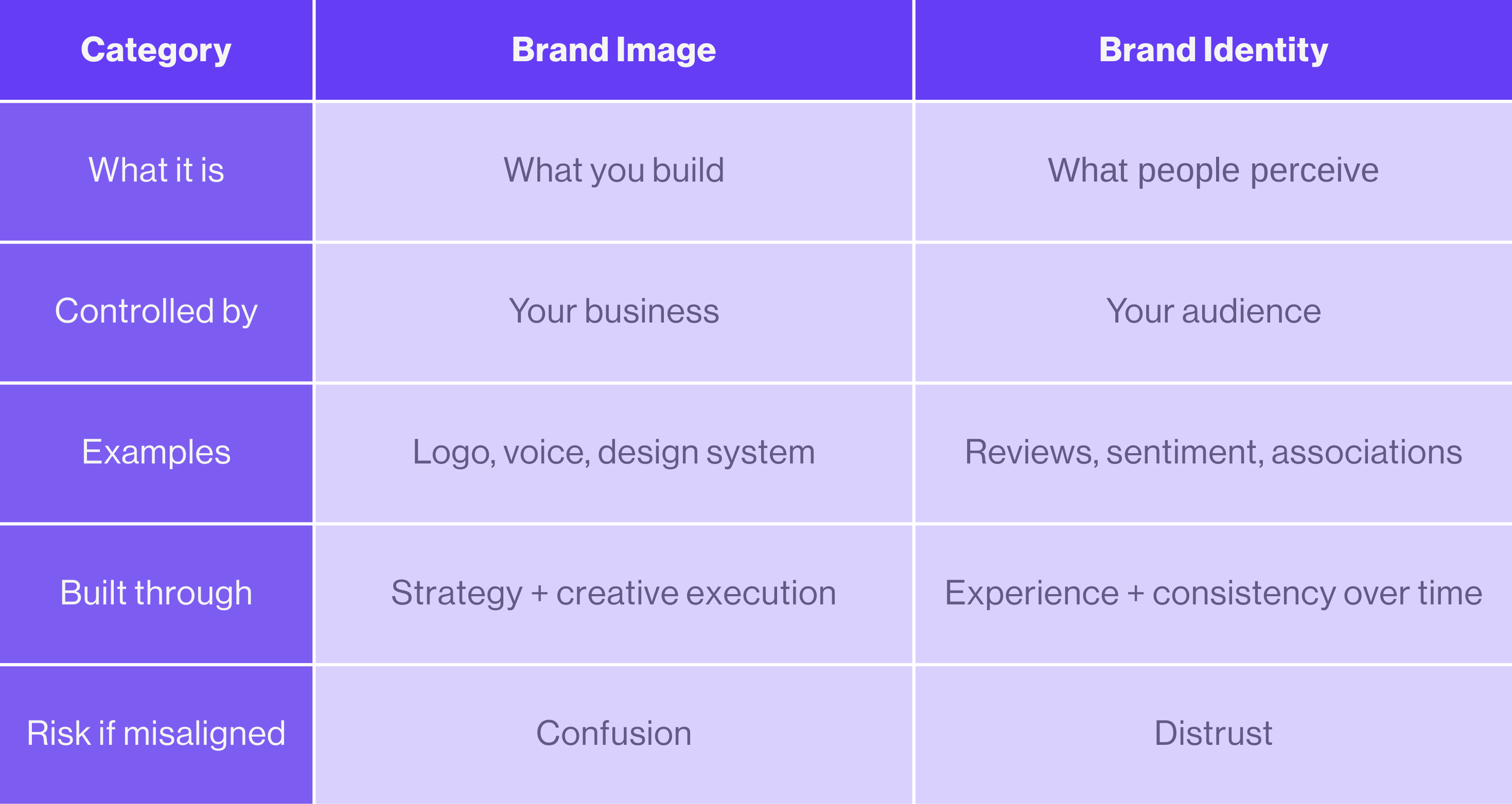
Brand identity is what you create
Brand image is what people experience
Your identity is the outfit you choose.
Your image is what people say about you after you leave the room.
Brand Identity = Your Intentional Design
Brand identity includes everything you control:
Logo
Typography
Colours
Tone of voice
Mission and values
Visual system
Brand personality
It’s the strategic foundation you build from the inside out.
Brand Image = The Outside Perception
Brand image is the result of how the world interprets your identity:
Customer opinions
Reviews
Word of mouth
Media coverage
Online sentiment
Cultural associations
In other words: your image is your reputation.
And reputation is shaped by consistency, experience, and trust.
Key Components of Brand Identity
Your brand identity is the toolkit you design intentionally.
It includes:
Visual identity (logo, fonts, colours)
Messaging and tone
Mission and values
Brand narrative
Design guidelines
Campaign look and feel
Strong identity creates recognition.
But recognition alone isn’t enough.
Key Components of Brand Image
Your brand image lives in the mind of the public — it’s driven by brand perception.
Brand perception is shaped by:
Customer experience
Product quality
Social presence
Community trust
Consistency across touchpoints
What people say when you’re not in the room
You can design the perfect brand identity…
…but you can’t force people to feel something.
You have to earn it.

Why the Difference Matters
Here’s the problem:
A beautiful brand identity, with a mismatched brand image, creates distrust.
When what you say doesn’t match what people experience, audiences notice immediately.
Misalignment leads to:
Confusion
Weak loyalty
Poor differentiation
Inconsistent messaging
Brand fatigue
On the other hand, alignment builds equity.
When identity and image reinforce each other, your brand becomes memorable, trusted, and emotionally sticky.
That’s where brand consistency becomes everything.
Real-World Examples of Identity vs Image
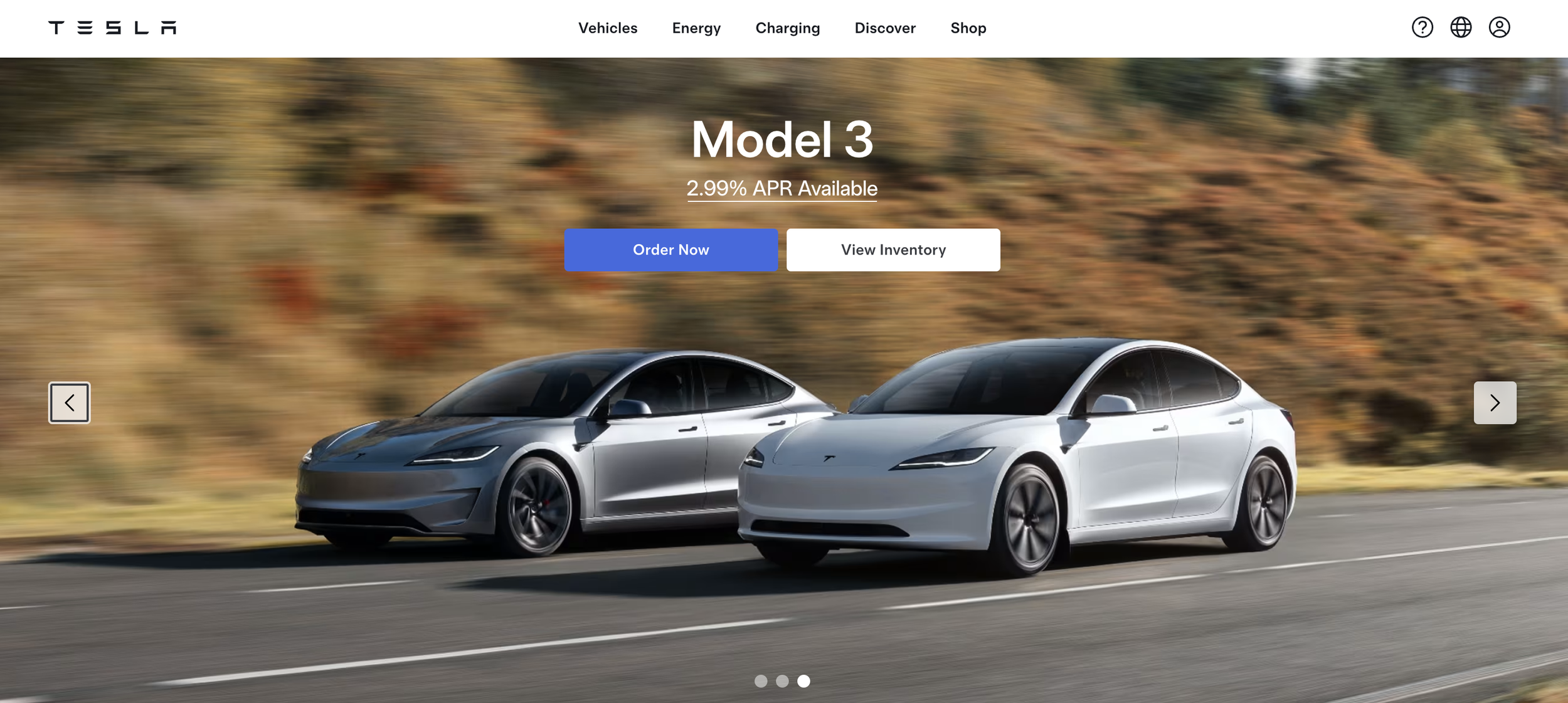
Tesla
Tesla has an extremely strong brand identity: innovation, futurism, minimalism.
But its brand image is more polarising — shaped by public sentiment, leadership perception, and media narratives.
Strong identity.
Complex image.
Liquid Death
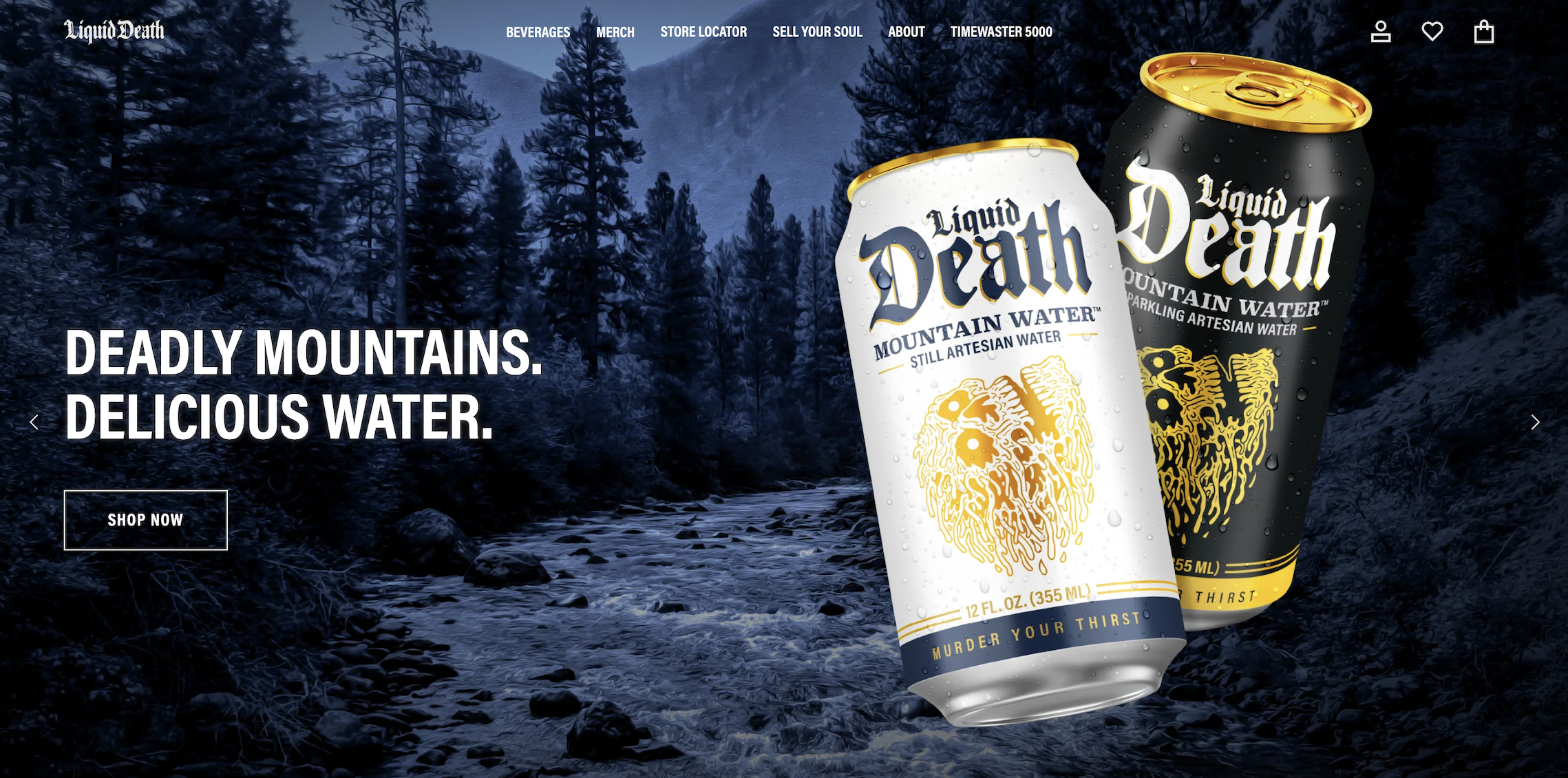
Liquid Death built a disruptive identity — heavy-metal branding for canned water.
Its brand image is cult-like, memorable, and highly aligned with its audience.
That’s identity and image working together perfectly.
How to Assess Alignment in Your Own Brand
If you want to tighten the gap between identity and image, start here:
1. Audit Your Touchpoints
Look at your:
Website
Social media
Ads
Packaging
Customer emails
Do they feel cohesive?
That’s brand consistency in action.
2. Listen to Real Feedback
Check:
Reviews
Customer messages
Social comments
Surveys
Your brand image already exists — whether you measure it or not.
3. Compare Intent vs Reality
Ask:
What do we want to be known for?
What are we actually being known for?
That gap is your opportunity.
Why Founders Often Focus Too Much on Identity
Early-stage businesses love designing the brand.
Logos are exciting.
Colour palettes feel productive.
Brand decks look official.
But brand-building doesn’t stop at identity. Your image is shaped over time — through experience, delivery, trust, and repetition.
Brand is not what you launch.
Brand is what lands.
FAQ: Can You Control Your Brand Image?
Not completely.
But you can influence it through:
Consistency
Delivery
Transparency
Listening
Alignment between what you say and what you do
Image is earned.
Identity is designed.
Both matter.
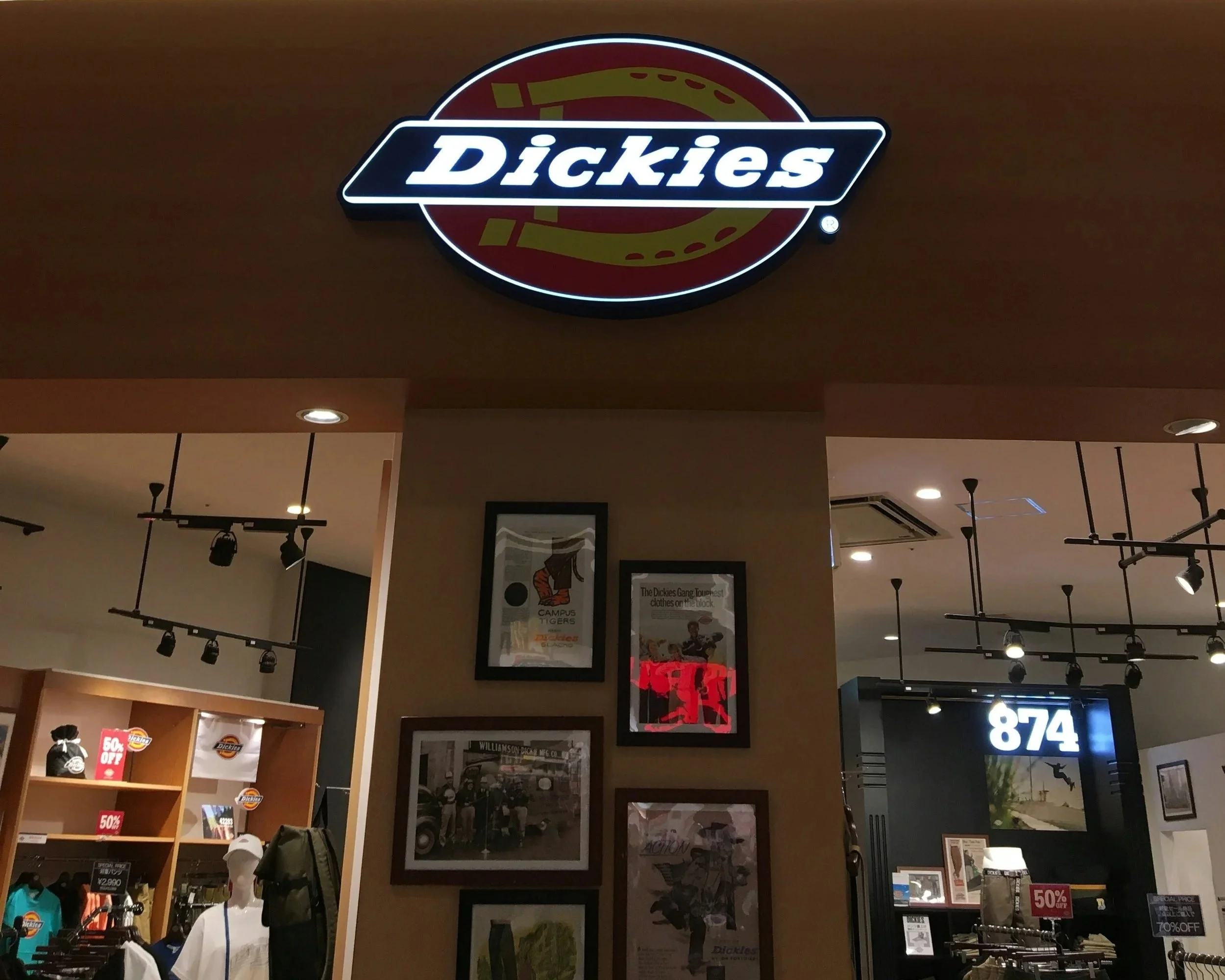
Dickies Store front: a brand with a strong brand image and identity
A Helpful Resource: Brand Vocabulary Cheat Sheet
To help teams speak the same language, we recommend using this simple brand vocabulary cheat sheet from Hubspot — covering terms like:
Brand equity
Brand promise
Visual identity
Tone of voice
Brand positioning
If your team is still confused by branding terminology, this is a great starting point.
Final Takeaway
Understanding the difference between brand identity vs brand image is one of the most powerful clarity shifts a founder or marketer can make.
Your identity is what you build.
Your image is what people believe.
The strongest brands align both — consistently, intentionally, and over time.
Confused by brand terms? Let’s fix that.
👉 Explore our Brand Identity Refresh Services to bring your brand back into alignment.
