

Remote Graphic Design Jobs: How to Work From Anywhere in 2026
Over the last few years, remote graphic design jobs have shifted from a niche opportunity to a mainstream career path. Designers no longer need to live in the same city—or even the same country—as their clients. Agencies, startups, and global brands are increasingly hiring creative talent from anywhere, opening up unprecedented opportunities for designers seeking flexibility and international exposure.
For many creatives, the idea of becoming a work from home graphic designer is no longer just a dream—it’s a realistic and sustainable career model. With the right positioning, portfolio, and tools, designers can now build thriving careers working remotely while collaborating with teams across continents.
In this guide, we’ll break down exactly how to find freelance graphic design jobs, where remote opportunities are growing, and how to position yourself for long-term success in remote creative careers.
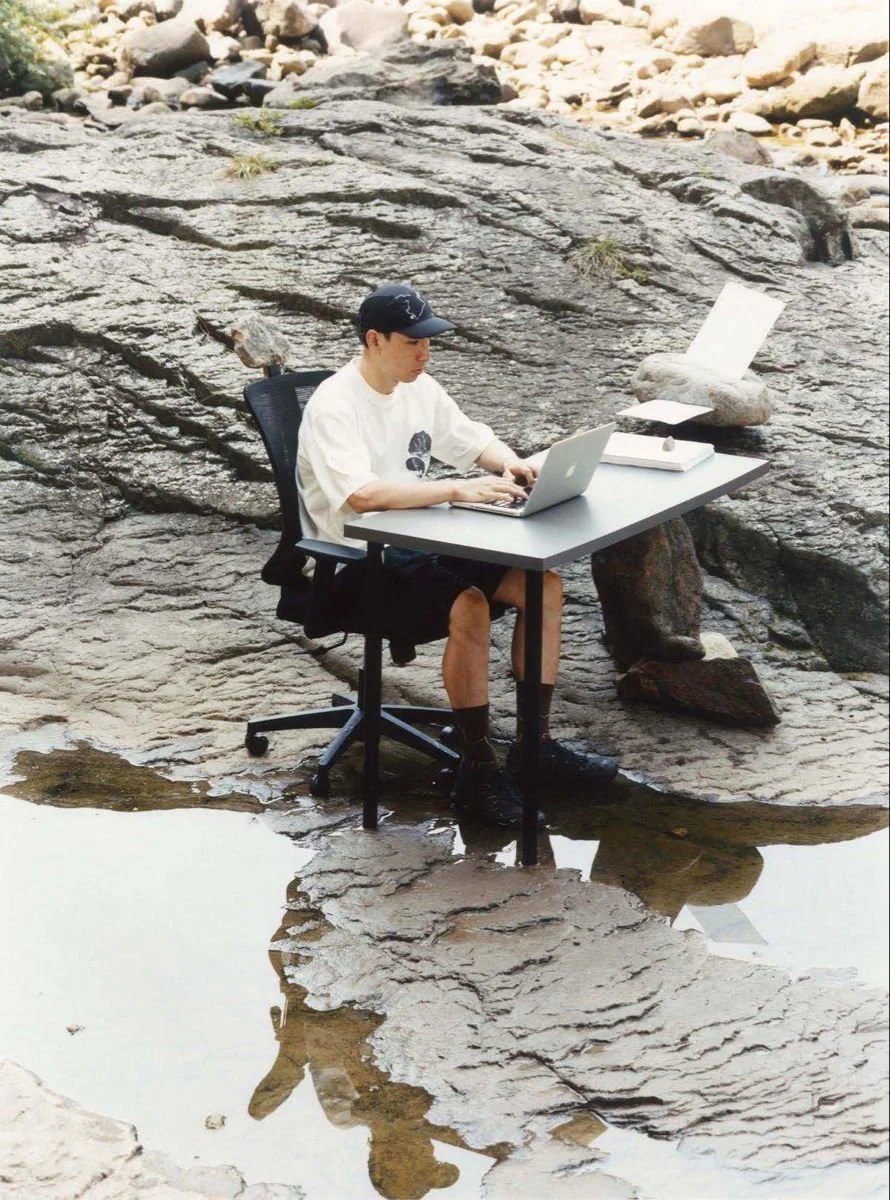
Image: Yael Heskia
The Rise of Remote Creative Work
The global shift toward remote work accelerated dramatically after the COVID-19 pandemic, but creative industries have embraced the change faster than most. Design work—by nature—can be done digitally, which means agencies and companies no longer need to hire locally.
Several trends have fueled the rise of remote design roles:
Global hiring by startups and agencies
The growth of the freelance economy
Improved collaboration tools and cloud platforms
Designers seeking lifestyle flexibility and location freedom
According to research from Upwork, freelancing continues to grow globally, with millions of professionals now choosing independent work over traditional employment. At the same time, design teams increasingly operate across time zones using digital collaboration tools.
For designers in places like South Africa, this shift has opened doors to international markets that were previously difficult to access. Today, a skilled designer can work with clients in Europe, the United States, Australia, or Asia without leaving home.
The rise of remote creative careers means that geography is no longer the biggest barrier—skill, communication, and positioning matter far more.
Types of Remote Graphic Design Jobs
Not all remote design work looks the same. Understanding the different models helps designers choose the path that fits their goals and lifestyle.
Freelance Project-Based Work
Freelancers typically work on short-term projects such as:
Logo design
Social media graphics
Brand identity packages
Website design
Marketing campaigns
Platforms like Fiverr and Contra connect designers directly with clients seeking these services.
Pros:
Flexibility
Diverse projects
Fast income opportunities
Cons:
Inconsistent income
Competitive marketplaces
Many designers begin their freelance graphic design jobs journey with project-based work before moving toward more stable arrangements.
Remote In-House Designer Roles
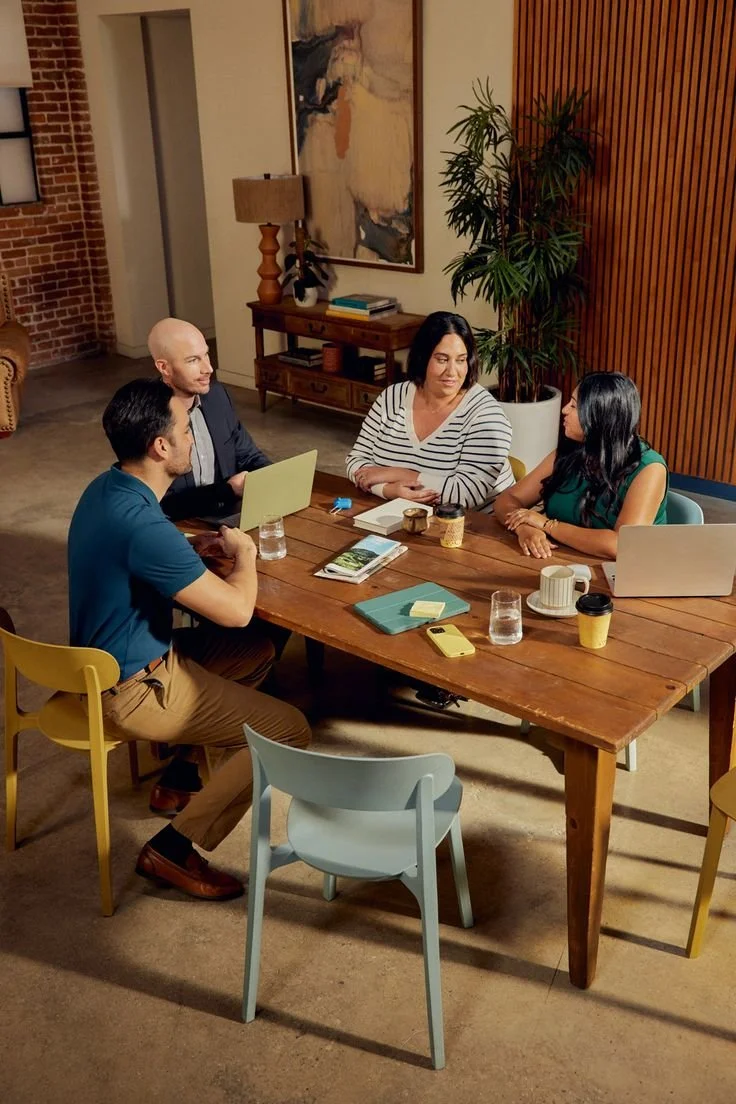
Many companies now hire full-time designers who work remotely as part of distributed teams.
These positions often include:
Product design teams
Marketing departments
Startup creative roles
Platforms like LinkedIn and Wellfound (formerly AngelList) frequently list these opportunities.
Pros:
Stable salary
Team collaboration
Long-term growth
Cons:
Less flexibility than freelancing
Agency Contractor Positions
Remote agencies often work with contract designers who support client projects as needed.
Creative communities like Dribbble Jobs and Behance frequently feature these roles.
Pros:
High-level projects
Professional team experience
Portfolio growth
Cons:
Variable workload
Agencies like Legs Brands operate remotely, collaborating with designers and creatives across locations depending on project needs.
Retainer-Based Partnerships
Many experienced designers move toward monthly retainers with clients.
Examples include:
Social media design packages
Brand maintenance work
Ongoing marketing design
This model combines freelance flexibility with predictable income, making it one of the most sustainable forms of remote creative work.
Where to Find Remote Graphic Design Jobs
Finding remote work requires more than just creating accounts on job platforms. The key is positioning and visibility.
Here are some of the most popular platforms for discovering remote graphic design jobs.
Freelance Platforms
These platforms allow designers to pitch for projects and build client relationships.
Creative Communities
These sites often feature higher-quality creative opportunities and agency collaborations.
Professional Networks
These platforms list remote roles at startups and tech companies seeking design talent.
However, the biggest mistake designers make is assuming that simply signing up will generate work. Standing out requires a clear niche, strong portfolio, and thoughtful positioning.
Cool Cat's Coffee Shop Logo Design
How to Position Yourself for Remote Work
The most successful remote designers are not generalists—they position themselves clearly.
Instead of simply calling yourself a “graphic designer,” consider defining your focus:
Brand identity design
Social media marketing design
Packaging design
UI/UX design
Creative campaign design
A strong portfolio should show more than finished visuals. Clients want to see your thinking process.
This includes:
Strategy insights
Design sketches
Before-and-after transformations
Performance results when possible
For example, a brand identity project could include:
Client brief
Moodboards
Typography exploration
Final brand guidelines
Agencies like Legs Brands value designers who demonstrate both creativity and strategic thinking—skills that become even more important when working remotely.
Tools Every Remote Designer Needs
Remote designers rely heavily on digital tools to collaborate with teams and deliver projects.
Some of the most common tools used in professional creative workflows include:
Design Software
These tools form the backbone of most professional design work.
Collaboration Tools
Notion for project organization
Slack for team communication
Loom for recording walkthrough videos
Google Drive for file sharing and collaboration
A strong workflow stack helps remote teams stay organized and aligned despite working in different locations.
Income Expectations in 2026
One of the biggest motivations behind remote graphic design jobs is earning potential.
Rates vary widely depending on experience and specialization.
The key to avoiding underpricing is specialization. Designers who niche down into branding, UI design, or marketing campaigns often command higher rates than generalists.
Common Mistakes Remote Designers Make
Many designers struggle with remote work not because of skill gaps, but because of positioning mistakes.
Common pitfalls include:
Competing Only on Price: undercutting competitors may win short-term projects but rarely builds a sustainable career.
Generic Portfolios: clients want specialists who solve specific problems.
Poor Time Management: remote work requires strong personal discipline.
Weak Client Onboarding: clear contracts, communication, and expectations prevent misunderstandings later.
Avoiding these mistakes dramatically improves long-term success in remote creative careers.
Transitioning from Corporate Design to Remote Work
For designers currently working in traditional in-house roles, moving into remote work can feel intimidating.
A gradual transition often works best.
Step 1: Build a Niche
Identify the type of design work you enjoy most.
Step 2: Strengthen Your Portfolio
Focus on case studies that show your process.
Step 3: Start Small Freelance Projects
Test the freelance market while still employed.
Step 4: Pitch Directly to Clients
Reach out to startups or brands aligned with your interests.
Step 5: Build Recurring Income
Retainer clients provide stability.
Over time, many designers find that remote work offers both financial and lifestyle freedom.
The Future of Remote Creative Careers
The demand for remote designers shows no signs of slowing down. As companies continue to hire globally and remote collaboration tools improve, location-independent careers are becoming the norm rather than the exception.
For designers willing to invest in their craft, build strong portfolios, and communicate professionally, the opportunities are enormous.
Remote design isn’t just about working from home—it’s about creating a flexible career that allows you to collaborate globally, build meaningful client relationships, and design a lifestyle that works for you.
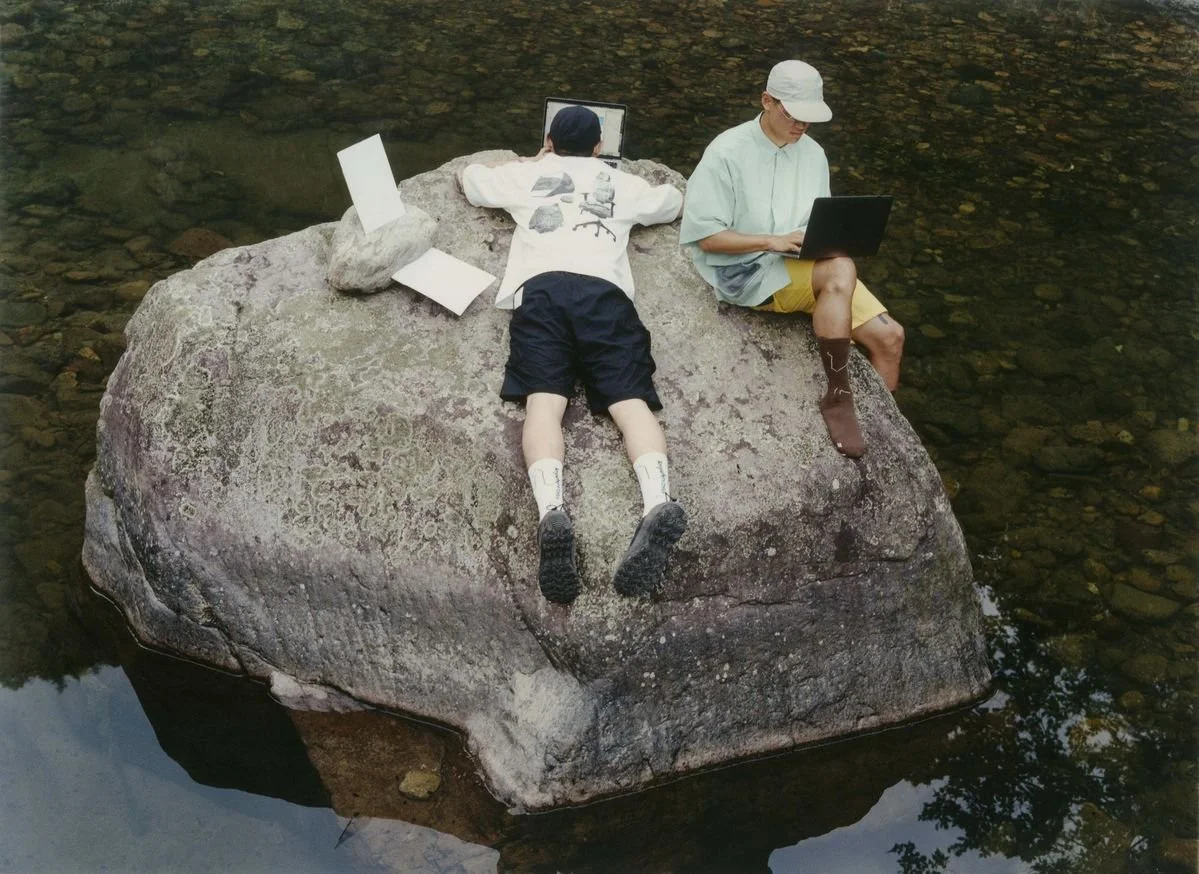
Image: Samepaper.com
The world of remote graphic design jobs
The world of remote graphic design jobs is expanding rapidly, offering designers more freedom than ever before. By building a focused portfolio, mastering modern collaboration tools, and positioning yourself strategically, it’s entirely possible to build a successful remote design career.
At Legs Brands, we collaborate with creatives around the world and believe that great ideas aren’t limited by geography.
Check out some of our case studies from past client work
