

Paid Ads Case Study: How Strategic Paid Ads and Content Marketing
For hospitality businesses, running ads often feels like a gamble. Many resorts and travel operators pour money into campaigns but struggle to see consistent bookings. This paid ads case study explores how strategic marketing systems—not random tactics—helped Driftwood Mentawai achieve their strongest booking year to date.
The reality for many tourism brands is simple: great destinations and beautiful locations are not enough. Without a structured hospitality marketing strategy, even the most incredible experiences struggle to stand out in competitive global markets.
In Driftwood’s case, the brand already had something special—a unique surf destination, passionate founders, and a loyal returning guest base. What it lacked was a structured marketing engine designed to consistently convert attention into bookings.
This case study shows how aligning strategy, content, and paid media transformed their growth trajectory.
The Challenge
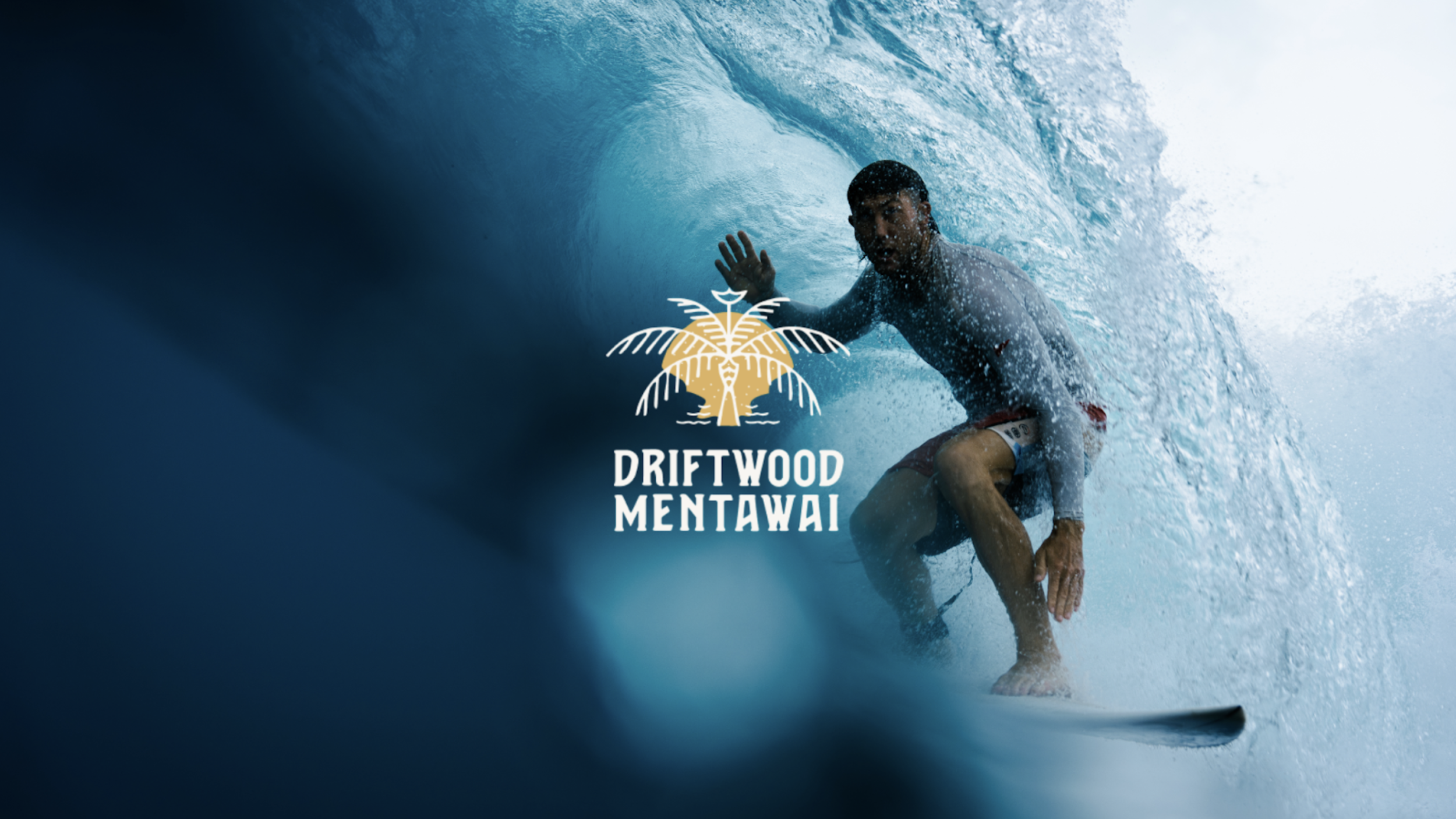
Driftwood Mentawai operates in one of the most competitive niches in surf tourism. The Mentawai Islands are globally recognized for world-class waves, which means surf camps and charter boats compete aggressively for the same international audience.
Despite having an exceptional location and strong guest experiences, the marketing system behind the brand had several weaknesses:
Seasonal booking spikes with inconsistent performance
Under-optimized advertising campaigns
Website structure that did not fully guide users toward booking
Visual content that didn’t fully compete with international surf media standards
Messaging that lacked a clear hierarchy for first-time visitors
In short: the brand was strong, but the marketing system behind it wasn’t optimized for growth.
This is a common scenario across tourism businesses. Many operators rely heavily on word-of-mouth or occasional ad campaigns without a structured system connecting brand, content, and performance marketing.
Step 1: Strategic Overhaul
Before adjusting ads or content, the first step was strategic clarity.
Rather than jumping straight into campaign tweaks, the focus shifted toward building a structured hospitality marketing strategy that aligned messaging, offers, and timing.
This process included:
Defining Driftwood’s core audience segments
Clarifying the brand’s unique surf positioning
Mapping seasonal booking windows
Building a campaign calendar aligned with surf seasons
Structuring offers and messaging around peak travel periods
The primary audience quickly became clear: experienced surfers from Australia and international surf travelers seeking high-quality waves and a comfortable camp environment.
This clarity influenced every decision that followed—from content production to advertising targeting.
Most importantly, Driftwood trusted the process and committed to implementing the strategy fully. That level of client alignment often makes the difference between average results and exceptional ones.
Step 2: Website & Structural Improvements
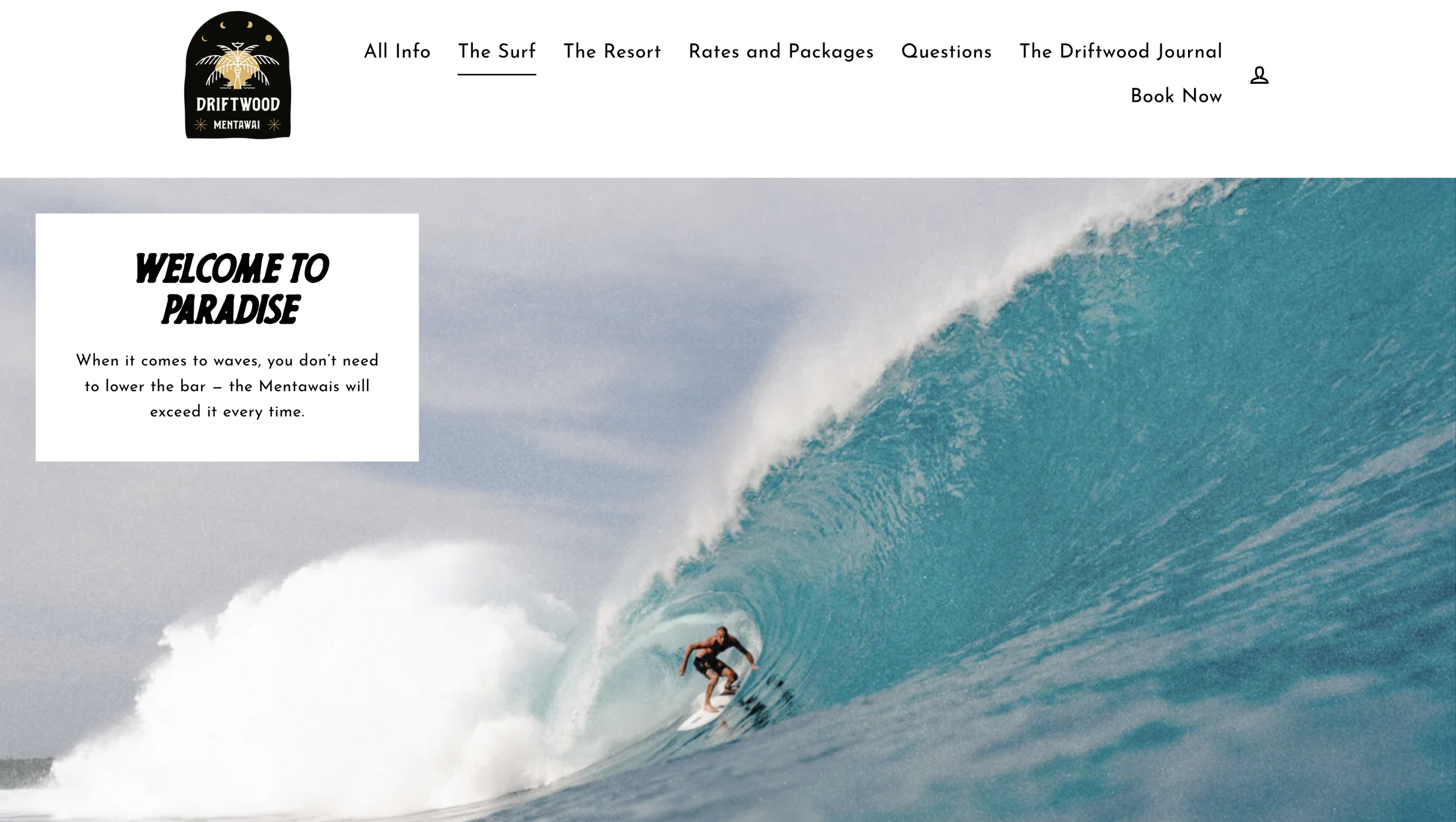
Once the strategic foundation was clear, the next focus was improving the website experience.
For hospitality brands, websites function as the final step in the booking journey. Even the best advertising campaigns fail if visitors arrive at pages that are confusing or lack clear conversion pathways.
Structural improvements included:
Simplifying the user journey from homepage to booking inquiry
Creating clearer information hierarchy for packages and pricing
Strengthening surf-focused storytelling
Updating imagery to better showcase the destination and lifestyle
Optimizing page layouts for faster decision-making
By restructuring how information was presented, visitors could quickly understand:
What Driftwood offered
Who the experience was designed for
How to secure a booking
This conversion-focused approach is a critical element of any successful content marketing case study, because content must ultimately guide visitors toward action.
Step 3: Content Marketing Rebuild
Surf tourism is a visually driven industry. Travelers are not just booking accommodation—they’re buying into a lifestyle experience.
To compete internationally, Driftwood needed stronger visual storytelling.
The content marketing rebuild focused on producing assets that captured the authentic energy of surf travel.
This included:
Collaborating with surf filmmakers and photographers
Producing cinematic lifestyle footage
Creating educational surf content for potential guests
Building a consistent visual narrative across channels
Platforms like Instagram and YouTube played a key role in distributing these assets, helping potential guests imagine the experience before ever stepping foot in Indonesia.
Strong storytelling turned Driftwood’s marketing into something more than promotional messaging. It became aspirational content that resonated deeply with the global surf community.
Step 4: Paid Ads Revamp
With strategy, website structure, and content aligned, the next step was rebuilding the advertising system.
This phase focused heavily on refining search campaigns through Google Ads and aligning them with user intent.
The Google ads case study component included several key improvements:
Restructuring campaign architecture
Refining keyword targeting for high-intent travel searches
Aligning ad messaging with landing page content
Directing traffic toward optimized pages designed for conversion
Introducing retargeting campaigns to re-engage interested travelers
Instead of running generic ads, campaigns were built around the exact searches potential guests were making—surf trips, Mentawai surf camps, and seasonal travel windows.
This alignment dramatically improved campaign efficiency and user engagement.
The Results
When brand strategy, content marketing, and paid media started working together, the results followed.
The marketing system began delivering measurable growth across multiple areas.
Key outcomes included:
Significant increase in bookings
The strongest booking year in Driftwood’s history
Growth in website traffic and engagement
Increased global audience reach
Stronger brand positioning within the surf tourism market
While specific performance figures remain confidential, the overall trajectory was clear: the marketing system was finally functioning as a unified growth engine.
The Real Lesson
The most important takeaway from this paid ads case study is simple.
Success did not come from running ads alone.
It came from aligning:
Brand positioning
Content storytelling
Website structure
Paid advertising strategy
When these elements work together, marketing stops feeling like guesswork.
Driftwood trusted the strategy and implemented it fully—and that’s what produced the results.
This principle applies to nearly every hospitality business today. Ads can generate traffic, but systems generate bookings.
Why Hospitality Brands Need Strategic Marketing
Many tourism operators underestimate how competitive the global travel market has become.
Travelers compare destinations, camps, resorts, and experiences across dozens of websites before making a decision.
Without clear positioning and strong content, even excellent destinations struggle to stand out.
A structured hospitality marketing strategy ensures that every part of the marketing ecosystem—from content to advertising—supports the same goal: converting interest into bookings.
For surf camps, resorts, and travel brands, this means moving beyond occasional campaigns and building marketing systems designed for long-term growth.

Final Thoughts
Marketing success in tourism rarely comes from a single tactic. It comes from aligning strategy, content, and performance marketing into a cohesive system.
This paid ads case study demonstrates what happens when that alignment is done properly. Driftwood Mentawai already had the product—what they needed was the structure behind it.
Once the system was built, the results followed.
For hospitality businesses seeking consistent bookings rather than unpredictable spikes, the lesson is clear: strategy comes first.
Want Bookings, Not Just Clicks?
Let’s build your marketing system properly.
Book a Strategy Call with Legs Brands and let’s map your next growth phase.
