

Digital Marketing, Graphic Design & Branding: The Complete Guide to Building a Modern Brand in 2026
Most businesses do not actually struggle because they lack marketing.
They struggle because their marketing system is disconnected.
The website says one thing. Social media says another. Campaigns feel inconsistent. Content is produced constantly, yet nothing truly builds momentum. Internally, teams become reactive — posting content, running ads, redesigning assets — without a clear system tying everything together.
One of the most common patterns growing businesses face is reaching a point where marketing activity increases, but clarity decreases.
This is where businesses often begin exploring the value of an outsourced marketing team or a digital marketing and advertising agency.

Mallard & Claret
Not simply to “do marketing,” but to create strategic alignment across:
branding
design
messaging
campaigns
SEO
content
customer experience
Because modern marketing is no longer about isolated tactics.
It is about building ecosystems.
In increasingly saturated markets filled with AI-generated content and endless advertising noise, the brands that grow sustainably are usually not the loudest — they are the clearest.
This guide explores how modern businesses use branding, graphic design, strategy, and digital marketing systems to build stronger customer trust, improve consistency, and create long-term growth.
Why Modern Marketing Is More Than Just Social Media
One of the biggest misconceptions in modern business is believing marketing simply means posting on social media.
While social media in marketing plays an important role, it is only one layer of a much larger ecosystem.
Modern marketing includes:
websites
SEO
email marketing
paid advertising
content systems
campaigns
visual identity
customer experience
positioning and messaging

Businesses often become trapped in what can best be described as “random acts of marketing.”
Content gets posted daily, ads are launched reactively, visuals constantly change, and messaging shifts depending on trends or platforms. Activity increases, but strategic direction disappears.
This is one of the main reasons marketing efforts fail in growing businesses.
Without alignment, marketing becomes fragmented.
One of the clearest differences between businesses that scale successfully and those that struggle is consistency. Strong brands reinforce the same positioning, tone, and value across every customer touchpoint.
A business can produce less content than competitors while still outperforming them simply because the communication feels clearer and more cohesive.
This is why many companies eventually move toward working with a full service marketing agency or building a more integrated marketing system internally.
The goal is not more activity.
The goal is clarity.
What Digital Marketing Actually Means in 2026
Modern digital marketing strategy is no longer about managing isolated channels independently.
The strongest brands build connected systems where every platform supports the broader business strategy.
SEO & Discoverability
Search visibility remains one of the most valuable long-term marketing assets a business can build.
Strong SEO allows businesses to:
attract qualified audiences
build trust organically
reduce dependency on paid advertising
create long-term discoverability
Increasingly, SEO is also tied directly to brand authority and content quality.
Content Marketing
Content marketing is no longer about producing endless blog posts or generic social captions.
The strongest content:
solves problems
demonstrates expertise
reinforces positioning
builds trust over time
This is why educational, experience-led content increasingly outperforms generic AI-style marketing content.
Social Media Marketing
Social media in marketing should support broader brand positioning rather than operate independently.
One of the most common mistakes businesses make is treating social media as the entire strategy rather than one communication channel within a larger ecosystem.
Strong social content reinforces:
trust
identity
expertise
consistency
It should feel connected to the website, campaigns, and customer experience rather than disconnected from them.

Paid Advertising
Paid media can accelerate visibility, but it cannot fix weak positioning or unclear messaging.
Many businesses waste advertising budgets because the underlying brand communication lacks clarity.
Traffic alone does not create trust.
Email Marketing
Email remains one of the highest-converting digital channels when used strategically.
Strong email systems:
nurture trust
reinforce consistency
improve retention
create long-term customer relationships
Modern digital marketing works best when these systems support each other rather than competing for attention independently.
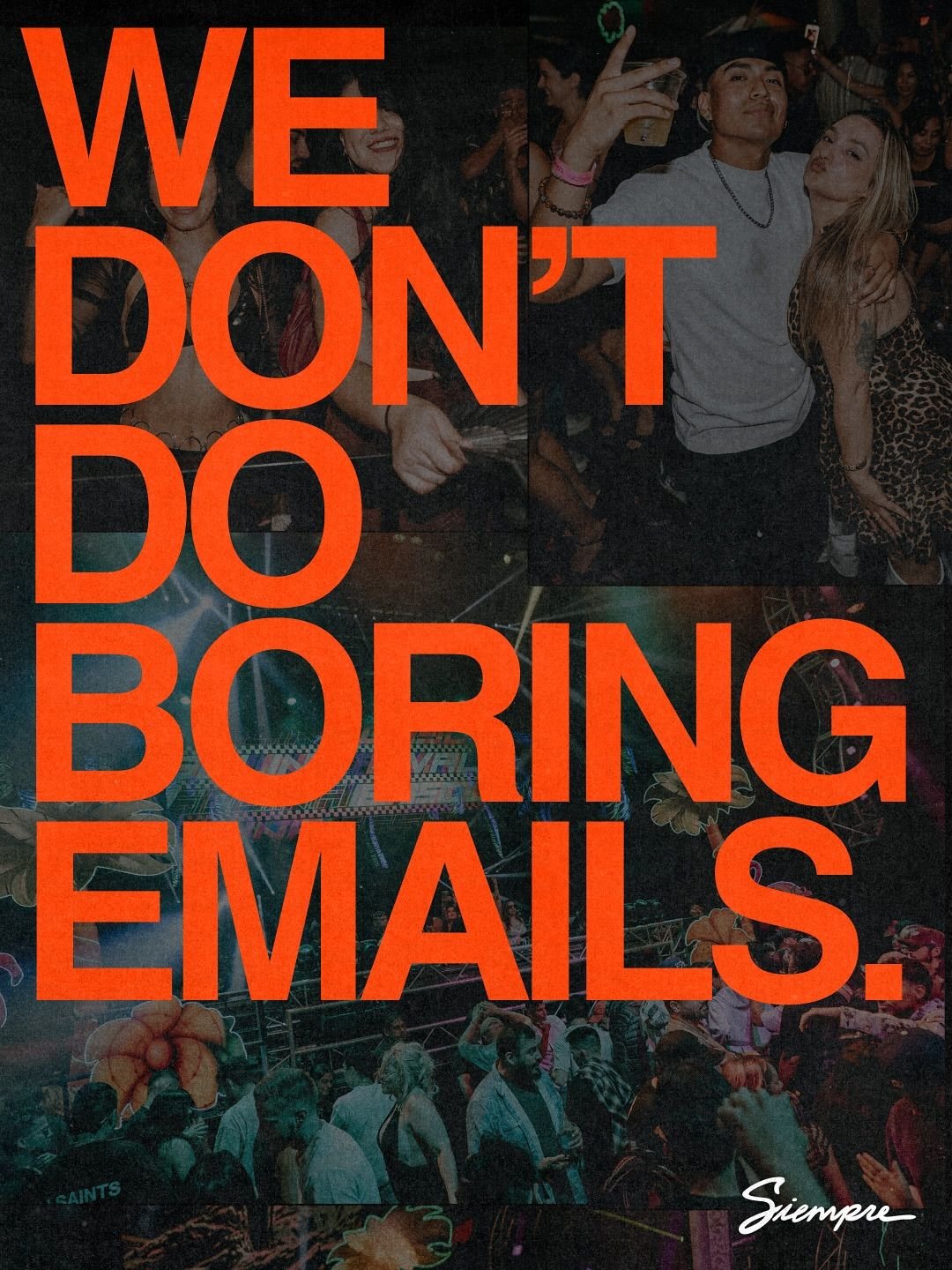
The Role of Graphic Design in Brand Growth
Graphic design is often misunderstood as decoration.
In reality, strong design is a communication tool.
It shapes how customers perceive professionalism, quality, trustworthiness, and value before they engage with the business itself.
This includes:
websites
presentations
campaigns
packaging
social media
advertising
sales material
One of the biggest misconceptions businesses make is believing graphic design is about making a brand “look creative.”
Strong design is actually about creating clarity and consistency.
For example, brands like Apple use highly controlled visual systems that reinforce simplicity, usability, and premium positioning across every customer interaction.
Similarly, Nike uses design to support emotional storytelling and brand identity rather than simply displaying products.

Nike Campaign
Good design increases perceived value.
Poor or inconsistent design creates uncertainty.
Even subconsciously, customers associate visual inconsistency with operational inconsistency.
This is why strong branding systems matter so much as businesses grow.
The goal is not simply to create attractive visuals.
The goal is to create a recognisable and trustworthy brand experience.
Why Branding, Marketing & Design Must Work Together
One of the most common reasons businesses struggle with growth is because branding, design, and marketing operate separately from each other.
The branding says one thing.
The visuals communicate another.
The marketing targets the wrong audience entirely.
Strong businesses align all three systems together.
Branding creates the foundation.
Design communicates the identity visually.
Marketing distributes the message strategically.
When these systems become disconnected, businesses often experience what we refer to as the “clarity gap” — the space between what the business believes it communicates and what customers actually understand.
This is often why businesses start asking:
do I need a marketing agency or in-house team
how to scale marketing without hiring a team
what does an outsourced marketing team do
Because growth eventually creates complexity.
As content expands across more platforms and campaigns become more frequent, maintaining consistency internally becomes significantly harder without structure.
This is where working with an outsourced marketing team can create major advantages.
Not because outsourcing magically fixes marketing, but because integrated systems create clarity.
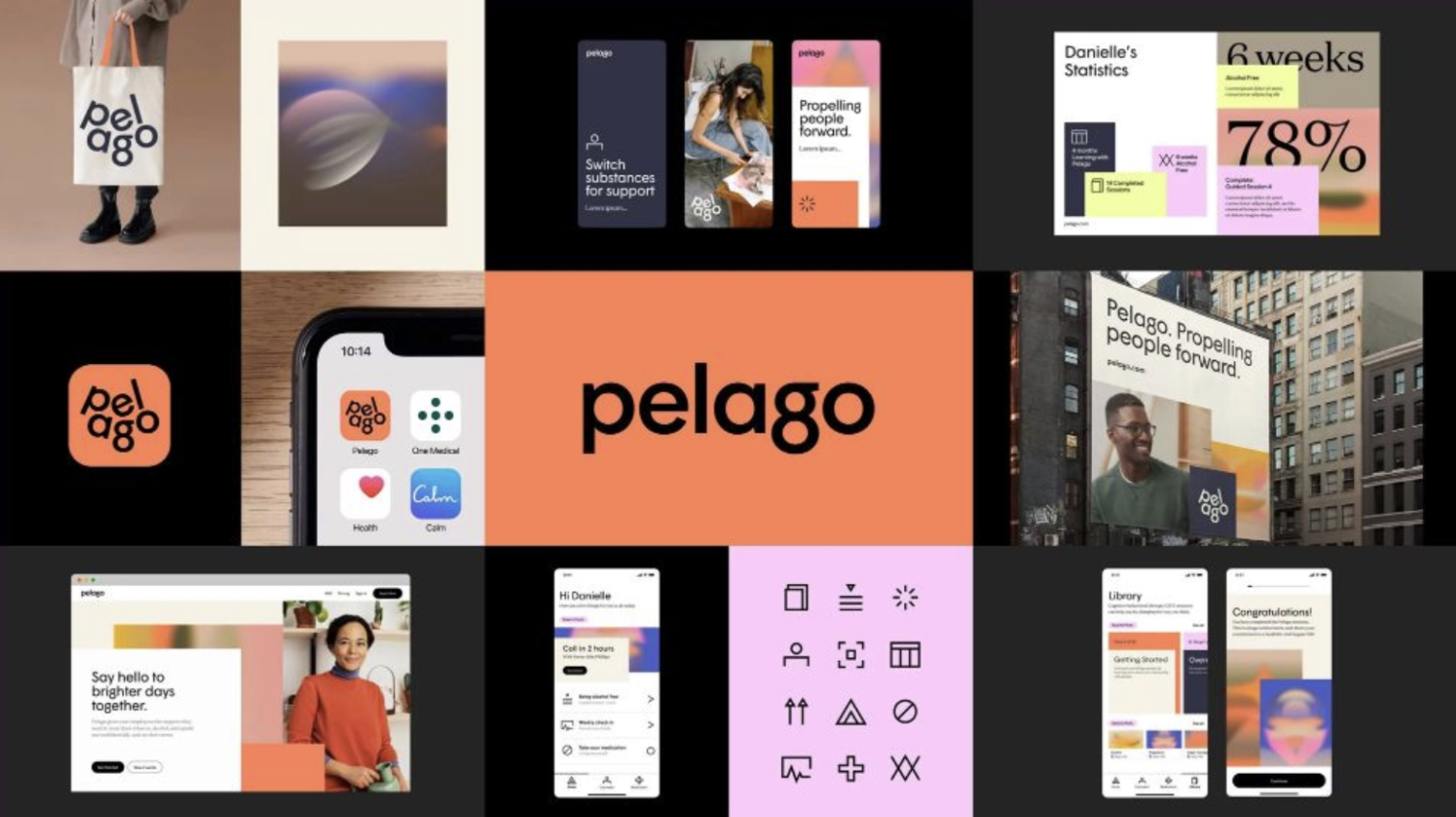
Pelago (Formerly known as Quit Genius)
Common Marketing & Branding Mistakes Businesses Make
Even strong businesses often weaken their marketing through avoidable mistakes.
Treating Social Media as the Entire Strategy
Posting content consistently does not automatically create strategic growth.
Without positioning and direction, content becomes noise.
Prioritising Aesthetics Over Positioning
Strong visuals cannot compensate for unclear messaging.
Many visually impressive brands still struggle because customers do not fully understand their value.
Producing Content Without Strategy
One of the biggest reasons marketing efforts fail in growing businesses is because activity replaces direction.
Businesses become reactive rather than intentional.
Trying To Appeal To Everyone
Generic messaging weakens differentiation.
The clearest brands are usually the most specific.
Ignoring SEO & Discoverability
Businesses often focus heavily on short-term social visibility while neglecting long-term discoverability through SEO and content systems.
Inconsistent Branding
Changing visuals, tone, messaging, and campaigns constantly weakens trust over time.
Consistency builds familiarity.

Why Businesses Work With Creative & Branding Agencies
Many businesses initially attempt to manage marketing internally.
This often works in early stages. But as businesses grow, complexity increases rapidly.
More platforms emerge. Content demands increase. Campaigns become harder to coordinate. Maintaining consistency across every customer touchpoint becomes increasingly difficult.
This is usually when businesses begin exploring whether they need:
an internal marketing department
a freelancer network
One of the biggest issues we consistently see is fragmented execution.
Different freelancers manage different platforms. Branding evolves inconsistently. Messaging shifts depending on the campaign. Over time, the brand slowly loses cohesion.
A strong digital marketing and advertising agency helps create strategic alignment across:
branding
campaigns
SEO
content
design
communication systems
The real value is rarely just execution.
It is structure.
The Importance of Digital Marketing Strategy
A strong digital marketing strategy provides direction behind every marketing decision.
Without strategy, businesses often default to short-term activity:
posting reactively
chasing trends
running disconnected campaigns
creating inconsistent messaging
Strategy creates alignment.
It defines:
who the audience is
what the brand stands for
how the business differentiates itself
where marketing should focus
how customers move through the buying journey
One of the clearest differences between successful brands and struggling brands is consistency of direction over time.
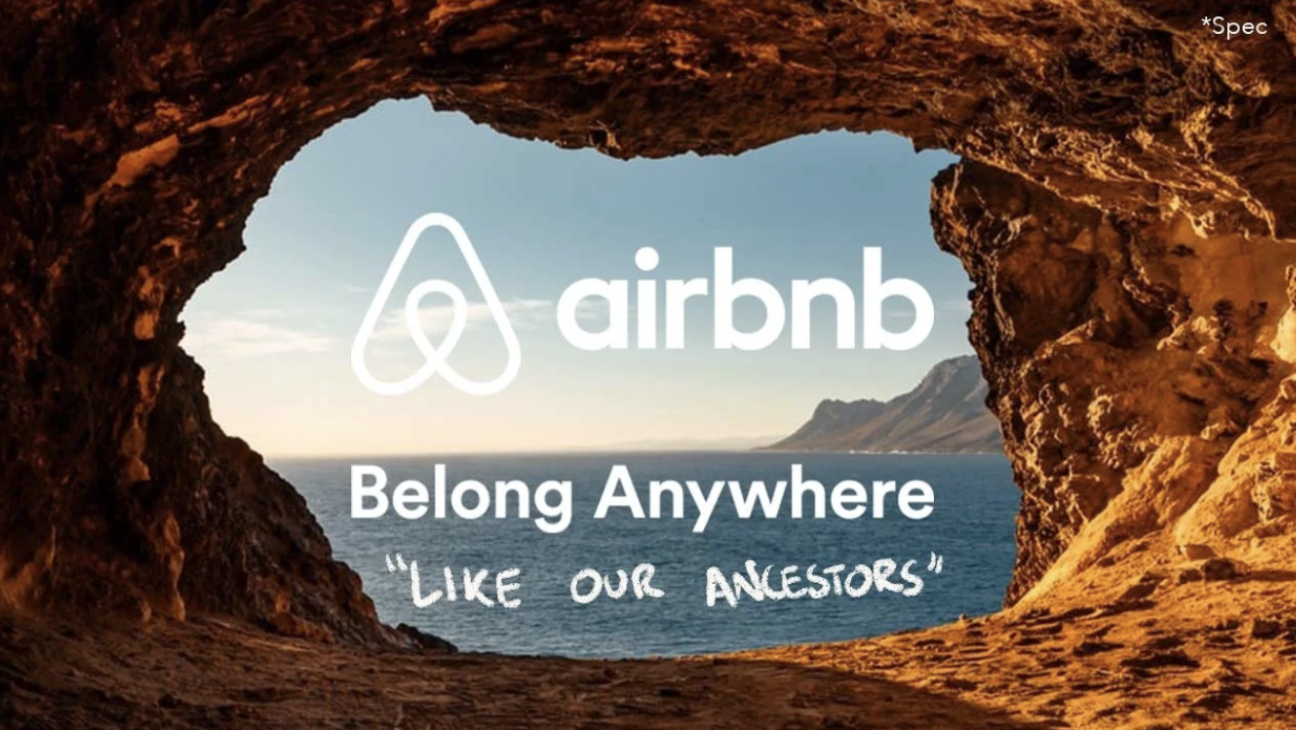
Brands like Patagonia and Airbnb reinforce highly consistent positioning across campaigns, visuals, messaging, and customer experience.
Their marketing systems feel connected.
This is why businesses increasingly search for:
how to build a digital marketing strategy for a business
how to scale marketing without hiring a team
Because modern marketing requires systems rather than isolated outputs.
A strong strategy allows every channel to reinforce the same long-term objective rather than competing against itself.
How Strong Visual Identity Impacts Trust & Conversion
Customers form impressions faster than most businesses realise.
Before reading detailed information, audiences often evaluate:
professionalism
trustworthiness
consistency
quality
through visuals alone.
This is why strong visual identity directly impacts:
trust
conversion
memorability
perceived value
Inconsistent branding creates uncertainty.
Consistent branding creates familiarity.
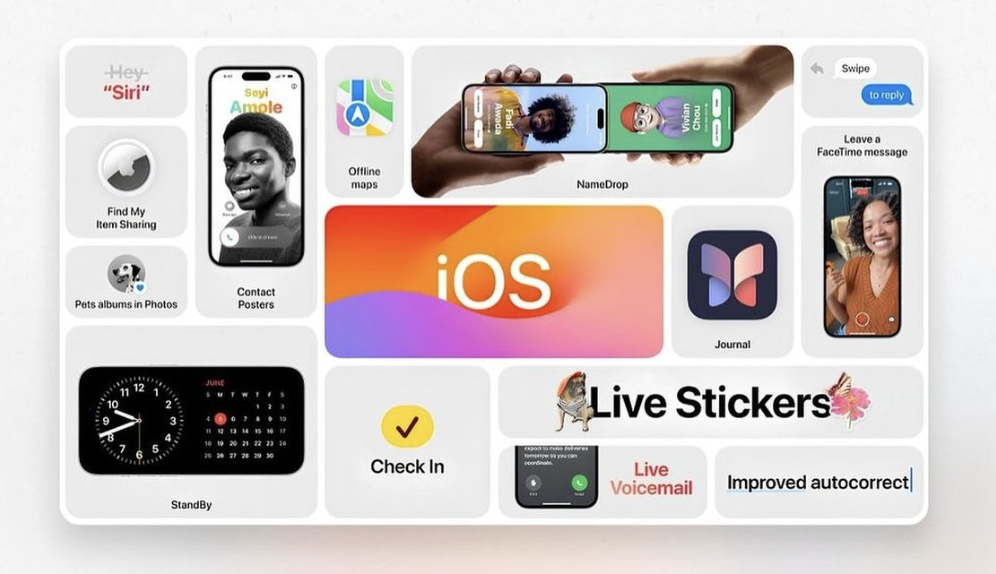
Brands like Apple andAirbnb demonstrate how cohesive visual systems can make customer experiences feel intuitive and trustworthy across multiple platforms.
Good design is not simply aesthetic.
It reinforces clarity.
A Practical Framework for Building a Modern Brand
Modern brands are built through systems rather than isolated campaigns.
1. Define Your Positioning
Clarify:
audience
differentiation
value proposition
messaging
2. Build a Consistent Identity
Develop visual and verbal systems aligned with positioning.
3. Create a Marketing Ecosystem
Connect:
website
SEO
email marketing
campaigns
social media
content systems
4. Develop Valuable Content
Create educational and strategically useful content rather than producing content purely for volume.
5. Align Customer Touchpoints
Ensure consistency across every customer interaction.
6. Measure & Refine
Strong brands evolve intentionally through performance analysis and customer feedback.
7. Manage Consistently
Branding and marketing require ongoing alignment over time.
This is one of the primary reasons businesses increasingly work with an outsourced marketing team rather than trying to coordinate fragmented systems internally.
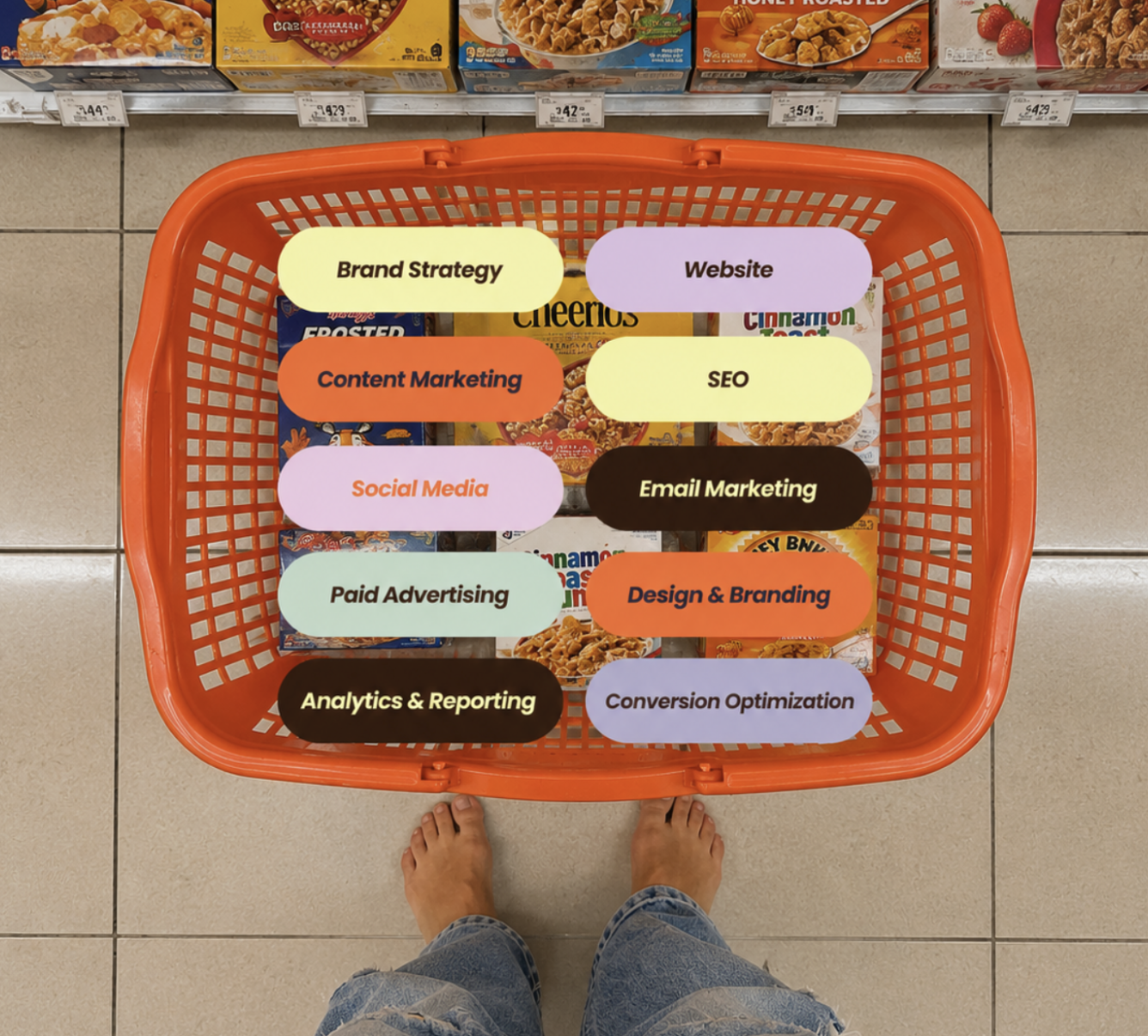
Why Strong Brands & Marketing Systems Win
Strong marketing systems create:
trust
recognition
consistency
discoverability
conversion
loyalty
Increasingly, customers choose brands that feel clear, cohesive, and trustworthy.
This is why integrated branding, design, and marketing systems outperform disconnected tactics over time.
The clearest brands usually outperform the loudest ones.
Final Takeaway
Modern businesses no longer compete purely through products or services.
They compete through clarity.
Strong branding, graphic design, and marketing systems help businesses become easier to understand, trust, and remember in increasingly saturated digital environments.
Businesses that invest in:
strategic positioning
consistent branding
connected marketing systems
long-term visibility
build stronger foundations for sustainable growth.

Founder, Evan Hamlyn
Whether through an internal team or an outsourced marketing team, modern marketing works best when every system reinforces the same strategic direction.
Because the strongest brands are rarely built through isolated campaigns.
They are built through consistency over time.
If your business is looking to improve its positioning, strengthen consistency, or build a clearer marketing ecosystem, a more structured approach can create long-term competitive advantage.
