

Purpose-Driven Branding: How Modern Brands Build Trust, Loyalty & Long-Term Growth
Most businesses can explain what they sell.
Far fewer can clearly explain why they exist beyond it.
And increasingly, customers can feel the difference.
Modern consumers are more informed, more values-driven, and more sceptical than ever before. They are no longer simply buying products or services — they are buying into identity, alignment, transparency, and trust. In crowded markets where visual quality and marketing execution are becoming increasingly accessible, meaning itself has become a differentiator.
This is why purpose-driven branding has shifted from a niche branding conversation into a core business strategy.

Patagonia purpose driven strategy work
But purpose-driven brands are often misunderstood.
Purpose is not a slogan added to a website header. It is not a performative sustainability campaign. And it is not simply attaching a cause to marketing material.
Strong purpose-driven brand strategy influences how a business communicates, operates, grows, hires, collaborates, and builds trust over time.
The strongest purpose-led brands feel aligned because their values consistently show up across every customer touchpoint — not just in campaigns.
This guide explores how modern businesses are using purpose-led branding to create stronger emotional connection, long-term loyalty, and sustainable brand growth in increasingly saturated digital markets.
What Purpose-Driven Branding Actually Means
At its core, purpose-driven branding is about defining why a business exists beyond profit alone.
That does not mean profit becomes unimportant. It means the business is guided by a broader sense of contribution, belief, or impact that shapes how decisions are made over time.
Strong purpose-driven brands often communicate:
what they stand for
what values guide the business
what impact they want to create
why their work matters beyond transactions
One of the biggest misconceptions around purpose-led branding is believing purpose exists separately from business strategy.
In reality, purpose becomes most powerful when it influences:
positioning
customer experience
operations
partnerships
internal culture
communication systems
This is where many brands get it wrong.
They treat purpose like a campaign rather than a system.
One of the clearest patterns we see in modern branding is businesses communicating ambitious values externally while operating in ways that completely contradict them internally. Customers notice this quickly.
Purpose without operational alignment eventually weakens trust rather than building it.
This is why authentic purpose-driven brand strategy requires consistency between what a business says and what it actually does.
Why Purpose-Led Brands Are Growing Faster
Modern consumers increasingly support brands that feel aligned with their own values.
This shift has fundamentally changed how businesses build loyalty and long-term brand equity.
Brands are no longer competing purely on:
price
convenience
aesthetics
features
They are competing on meaning.
Strong purpose-driven branding creates emotional connection because customers feel they are participating in something larger than a transaction itself.
This is one of the reasons brands like Patagonia have built such strong loyalty.
Patagonia’s environmental positioning is not isolated to advertising campaigns. It is reflected across:
repair initiatives
activism
supply chain transparency
leadership communication
product philosophy
The result is a brand that feels deeply aligned and credible.
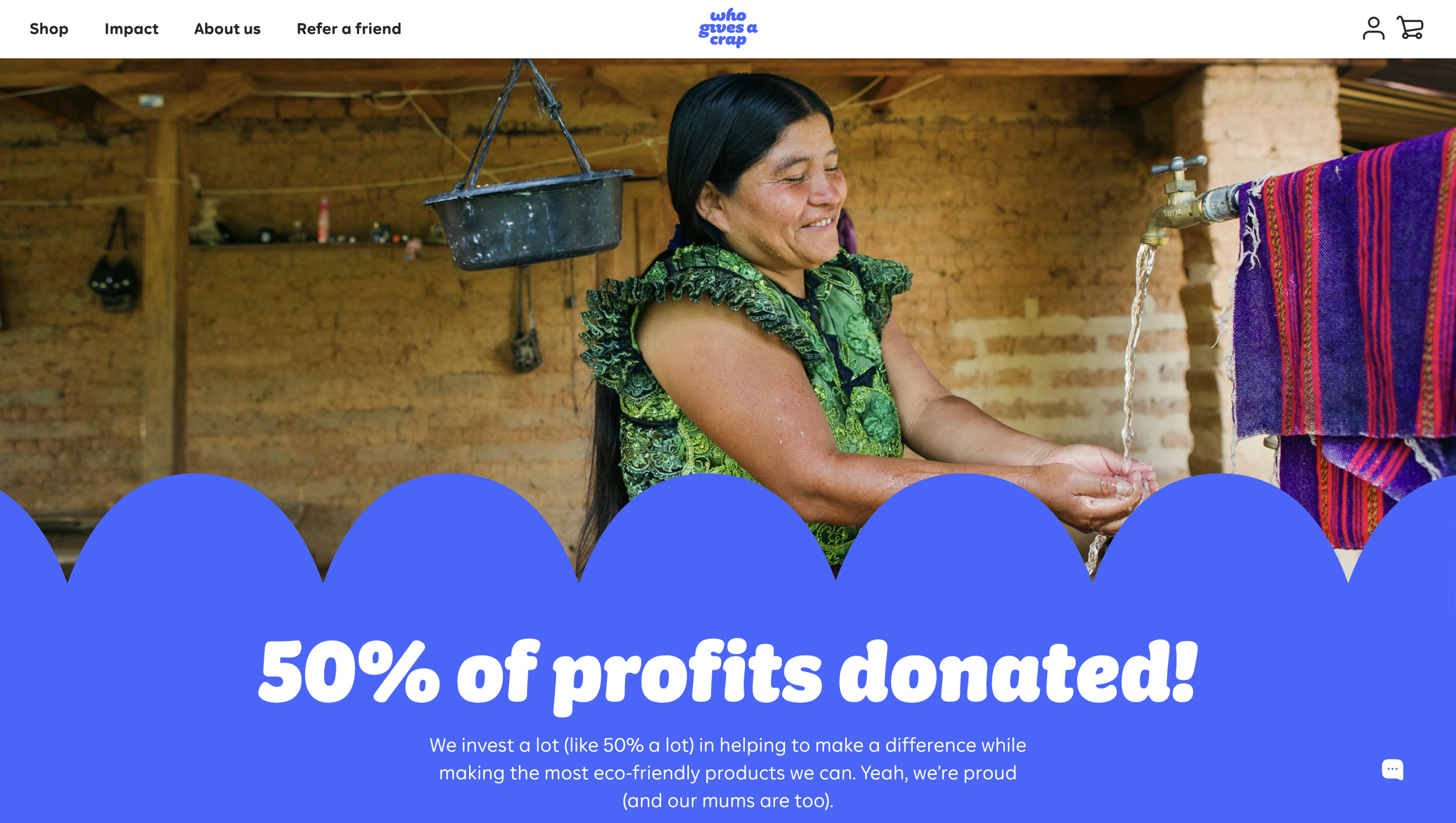
Similarly, Who Gives A Crap built its identity around improving access to sanitation globally, donating 50% of profits to help build toilets and improve hygiene access in underserved communities. What makes the brand particularly effective is that the purpose is not separated from the branding itself — it is embedded directly into the company’s tone, packaging, communication, and overall customer experience.
Brands like Project Reef demonstrate a more modern form of purpose-led branding within the lifestyle and outdoor space. Their positioning around reef-safe sunscreen and ocean-conscious products feels connected to the audience they serve, creating a brand that feels aligned rather than performative.
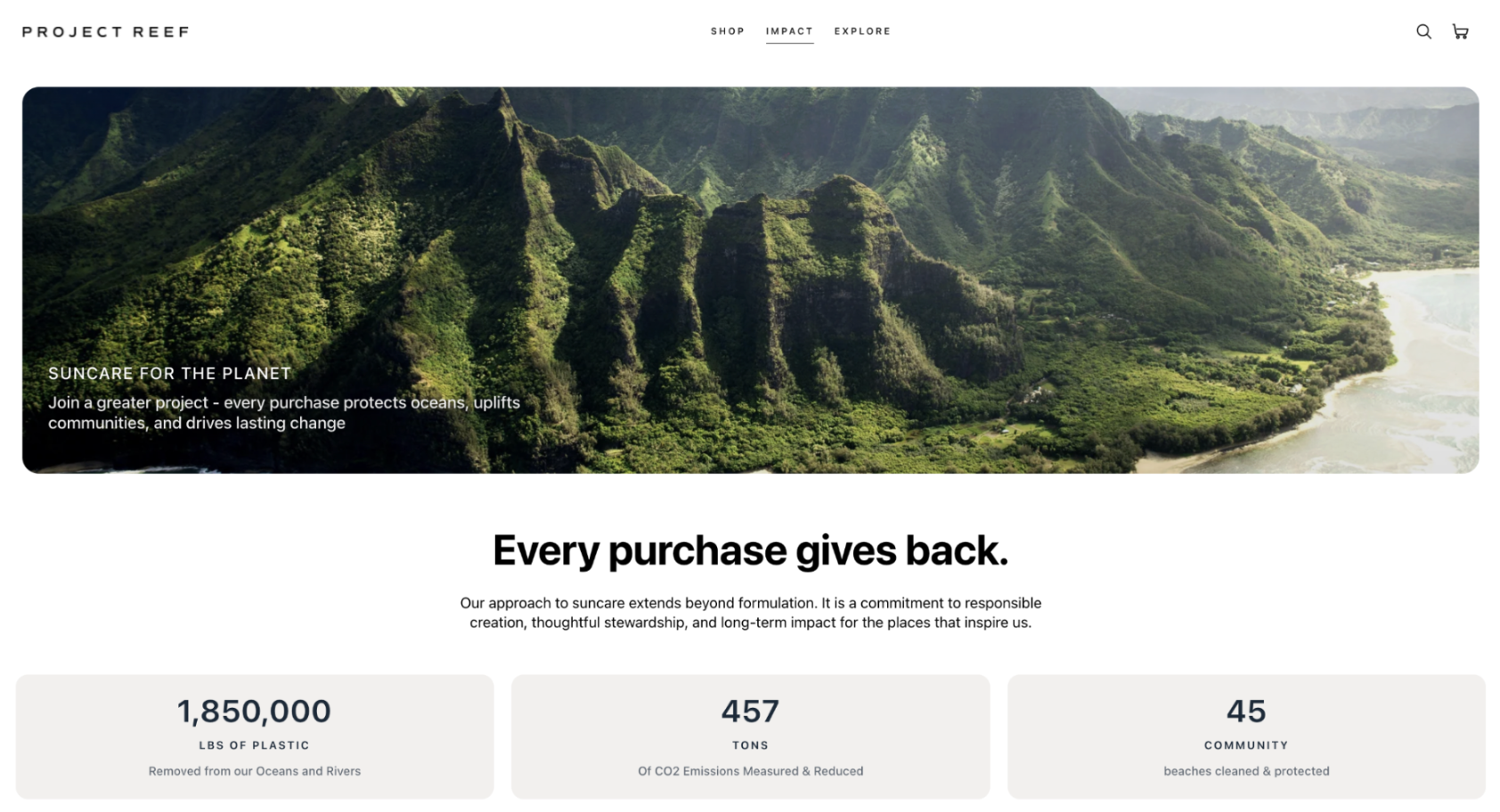
These brands demonstrate an important shift: purpose-driven businesses often create stronger emotional loyalty because customers understand what the brand stands for beyond the product itself.
In increasingly saturated markets, emotional differentiation matters.
This is especially true for younger audiences who increasingly evaluate:
ethics
sustainability
transparency
social values
authenticity
before making purchasing decisions.
Purpose creates relevance.
And relevance builds loyalty.
The Difference Between Authentic Purpose & Performative Branding
As purpose-led branding has grown in popularity, performative branding has grown alongside it.
Customers are now highly sensitive to brands communicating values externally without reflecting them operationally.
This is often referred to as “purpose-washing.”
One of the biggest risks businesses face today is over-communicating values while under-delivering operationally.
Consumers can tolerate imperfection.
What they struggle to tolerate is contradiction.
For example:
sustainability messaging paired with exploitative production systems
diversity campaigns without internal representation
community-focused branding without ethical customer treatment
For example, brands in the fast-fashion industry such as H&M have faced criticism over the years for sustainability-focused marketing campaigns while still operating within large-scale fast-fashion production models. Whether fair or not, these situations demonstrate how quickly consumers question purpose-driven messaging when operational systems appear misaligned with brand communication.
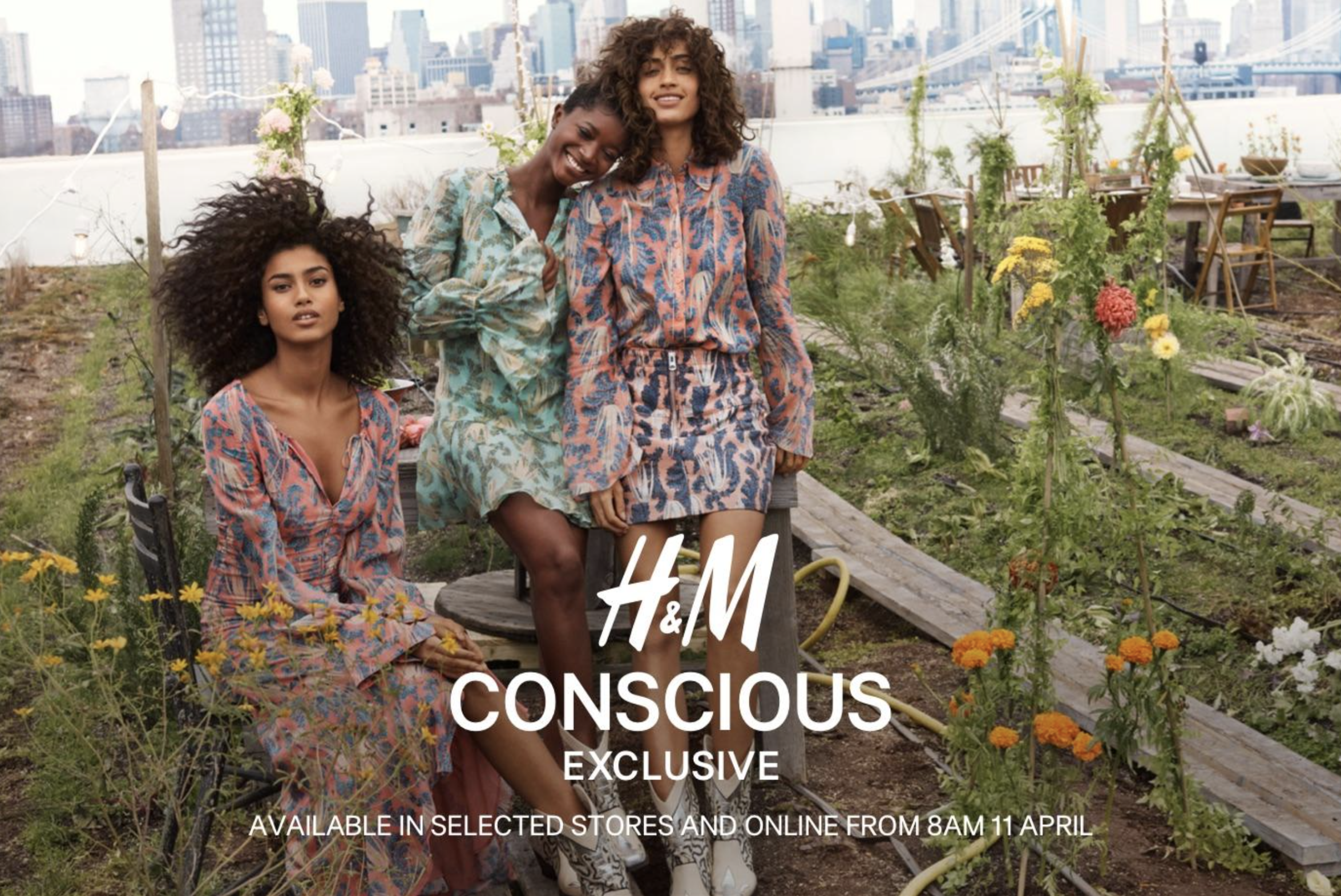
In these situations, branding begins damaging trust rather than building it.
Authentic purpose-driven branding does not require perfection.
But it does require consistency.
One of the strongest modern brand purpose examples remains Patagonia because the company’s operational decisions consistently reinforce the same environmental positioning communicated through marketing.
Alignment Is What Creates Credibility
Purpose becomes powerful when it shapes:
decision-making
customer experience
leadership
partnerships
internal culture
not just advertising campaigns.
Increasingly, customers are not asking: “What does this brand say?”
They are asking:“Does this brand actually live it?”
How Cause Marketing Shapes Brand Identity
Cause marketing can be a powerful part of purpose-driven brand strategy when it is genuinely connected to the business itself.
At its best, cause marketing helps:
reinforce positioning
deepen emotional connection
strengthen identity
create community alignment
But the cause itself must make sense for the brand.
One of the most common mistakes businesses make is attaching unrelated causes purely because they are trending culturally.
This often feels opportunistic rather than authentic.
Strong cause marketing usually emerges naturally from the business’s existing identity and values.
For example, Patagonia advocating for environmental conservation feels aligned because environmental responsibility is embedded into the company’s broader positioning and operations.
The strongest cause-driven brands do not constantly need to explain why they support certain issues.
The alignment already feels obvious.
This is an important distinction.
Cause marketing should reinforce identity — not attempt to manufacture it.
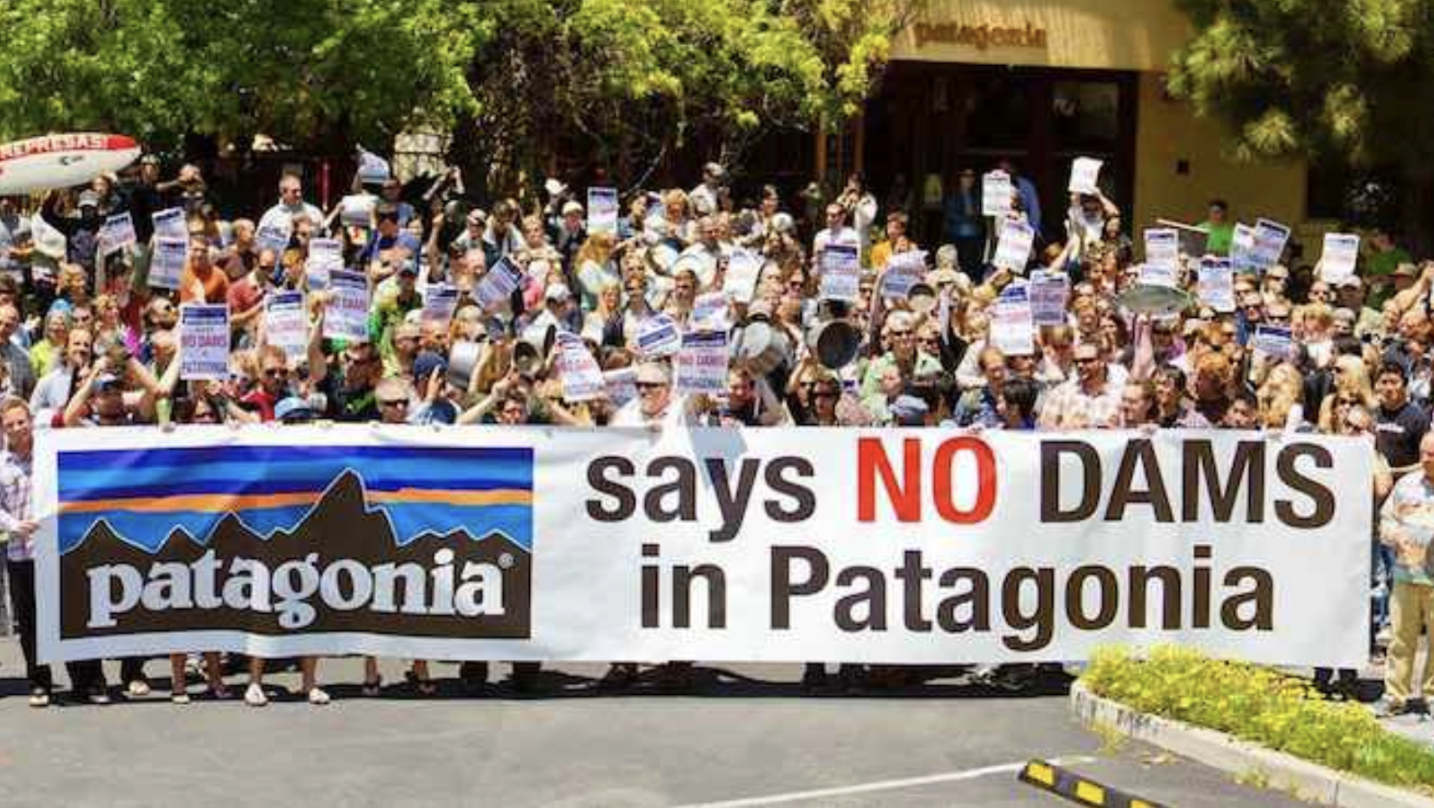
Patagonia is one of the leading companies for corporate activism, which B-schools are just now beginning to study. Patagonia photo
Why Startups Should Define Purpose Early
One of the biggest mistakes startups make is postponing purpose until “later.”
In reality, defining purpose early often creates significantly stronger long-term alignment.
A clear purpose helps shape:
positioning
messaging
hiring
partnerships
culture
customer experience
without constant reactive decision-making later.
This is why purpose discovery workshops have become increasingly valuable during early-stage brand development.
When businesses understand:
what they stand for
who they serve
what impact they want to create
how they want to be perceived
branding decisions become significantly clearer.
One of the clearest advantages purpose-driven startups have is consistency.
Without clarity, businesses often become reactive:
chasing trends
changing positioning constantly
shifting tone depending on the platform
trying to appeal to everyone
Purpose creates direction.
And direction creates recognisability over time.
For startups especially, this becomes incredibly valuable in crowded markets where differentiation is difficult.
The Role of Purpose in Modern Brand Strategy
Strong purpose-driven brand strategy influences far more than messaging alone.
It shapes the entire business ecosystem.
This includes:
visual identity
partnerships
hiring
customer experience
campaign direction
communication style
operational priorities
One of the clearest signs a brand has genuine purpose alignment is consistency across touchpoints.
The website feels aligned with the campaigns.
The campaigns feel aligned with the customer experience.
The customer experience feels aligned with leadership communication.
Everything reinforces the same core identity.
This is one of the reasons modern consumers trust brands like Patagonia so deeply. The business consistently communicates the same values regardless of platform or campaign format.
Purpose-driven strategy also helps businesses make clearer decisions during growth.
Without purpose, businesses often become reactive to:
trends
competitors
short-term opportunities
Purpose creates a filter for decision-making.
It helps businesses evaluate:
what aligns
what does not
where the brand should evolve
where it should remain consistent
Increasingly, strong branding is less about constantly reinventing a business and more about consistently reinforcing clarity over time.
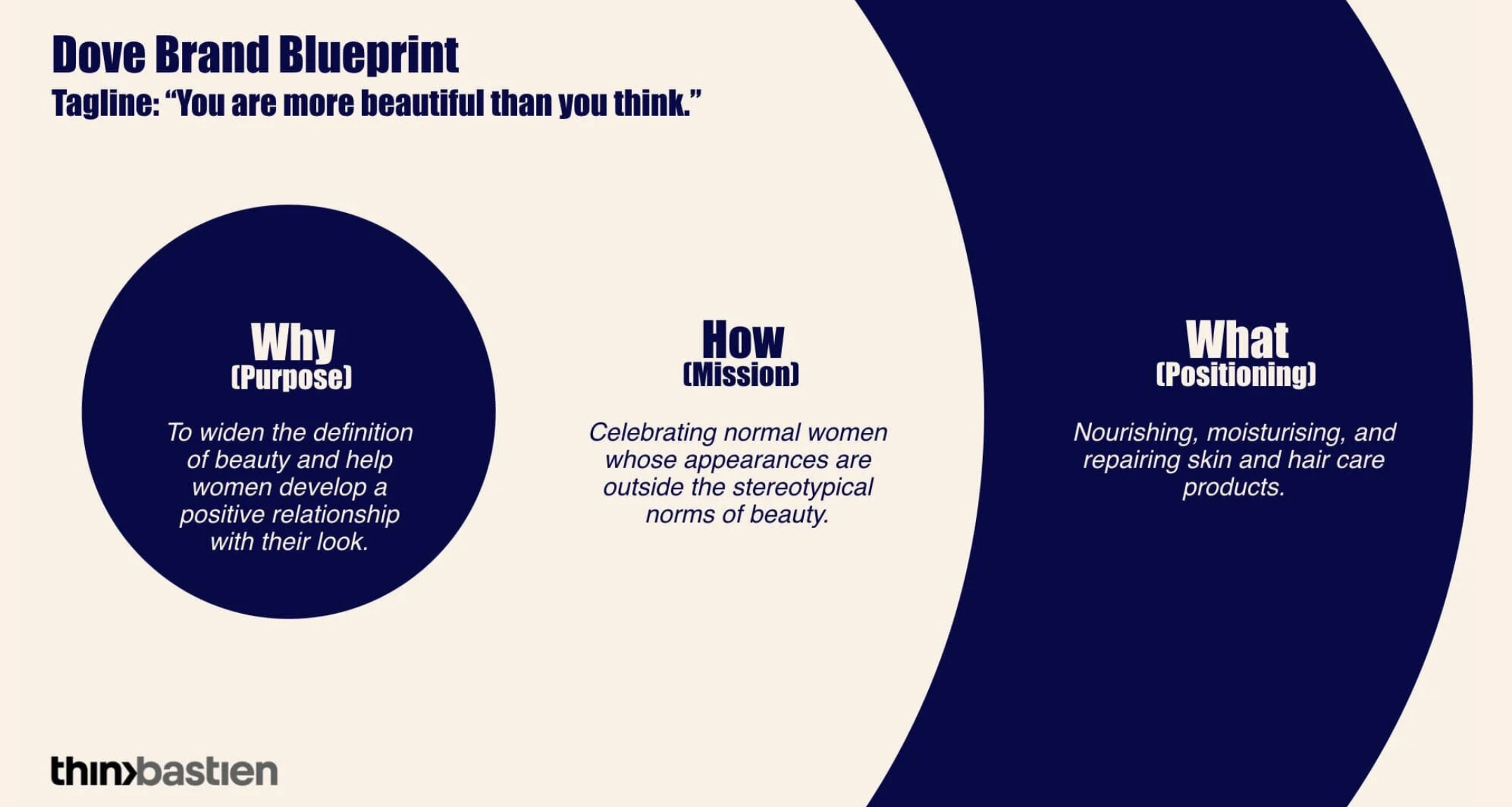
Common Mistakes Businesses Make With Purpose-Led Branding
Even well-intentioned brands often weaken their positioning through avoidable mistakes.
Treating Purpose Like a Campaign
Purpose is not seasonal messaging.
When purpose only appears during campaigns or awareness months, it often feels disconnected from the business itself.
Following Trends Without Alignment
Not every cultural conversation needs to become part of your branding.
Strong brands know when participation feels authentic — and when it feels forced.
Over-Communicating Without Action
One of the fastest ways to weaken trust is excessive value-based messaging unsupported by operational behaviour.
Customers increasingly verify claims through research and observation.
Choosing Causes Unrelated to the Brand
Cause marketing works best when it naturally connects to the company’s positioning and audience.
Disconnected causes often feel opportunistic.
Inconsistent Communication
Purpose should feel recognisable across:
campaigns
visuals
messaging
customer interactions
partnerships
Inconsistency weakens credibility over time.

How Purpose-Driven Branding Builds Long-Term Loyalty
Strong purpose-driven branding creates more than awareness.
It creates emotional connection.
Customers increasingly support brands that:
reflect their values
feel authentic
communicate transparently
demonstrate consistency over time
This is where purpose-driven businesses gain major long-term advantages.
Purpose helps create:
stronger customer loyalty
deeper emotional resonance
higher trust
stronger community alignment
greater brand memorability
People are more likely to advocate for brands they emotionally identify with.
And in increasingly saturated markets, emotional connection often becomes the factor that separates forgettable brands from meaningful ones.
Purpose strengthens identity.
And identity strengthens loyalty.
A Practical Framework for Building a Purpose-Driven Brand
Understanding how to build a purpose-driven brand requires more than defining a mission statement.
Purpose needs to become operational.
1. Define Core Values
Clarify what genuinely matters to the business beyond growth metrics alone.
2. Clarify Your Purpose
Define:
why the business exists
who it serves
what impact it wants to create
3. Align Messaging & Positioning
Ensure communication consistently reinforces the same values and identity.
4. Integrate Purpose Into Operations
Purpose should influence:
partnerships
customer experience
hiring
campaigns
leadership decisions
not just external messaging.
5. Communicate Consistently
Strong brands reinforce the same positioning over time rather than constantly shifting identity.
6. Build Community & Trust
Purpose-driven brands often grow strongest when audiences feel emotionally involved in the brand itself.
7. Evolve Authentically
Strong purpose-led brands evolve without abandoning the values that created recognition in the first place.
This is one of the reasons businesses increasingly seek abranding agency for purpose-driven brands rather than purely execution-focused marketing support.
The challenge is rarely just creating visuals.
It is building alignment.
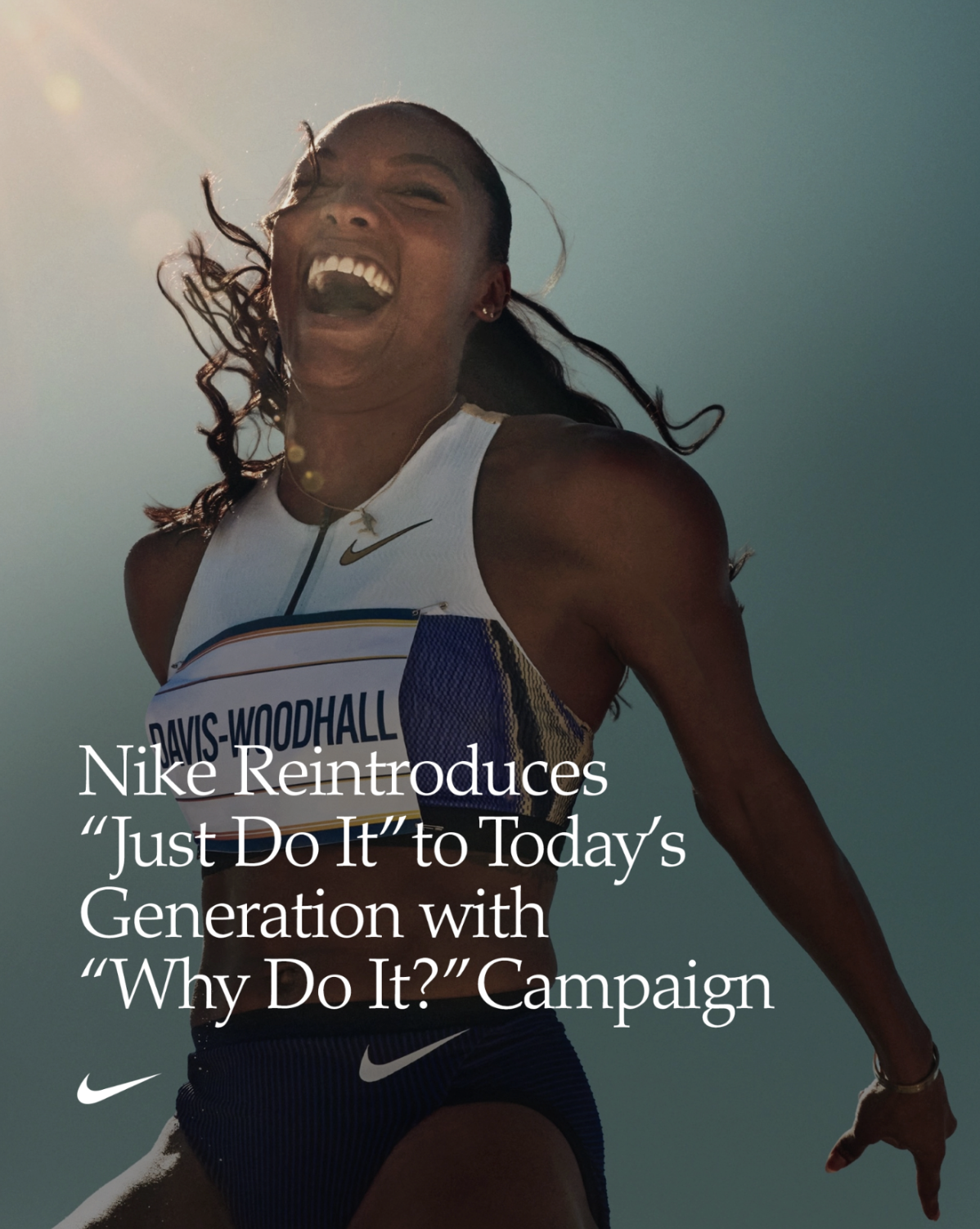
A strong example of this is Nike’s recent shift from its long-standing “Just Do It” messaging toward the more reflective “Why Do It?” campaign. Rather than abandoning its core identity around ambition and human potential, the brand evolved its messaging to connect with a younger generation navigating pressure, anxiety, and burnout. The campaign still felt unmistakably Nike — just adapted to a changing cultural landscape.
Why Purpose-Led Brands Win
Strong purpose-led branding creates advantages that extend far beyond marketing.
Purpose-driven brands often outperform competitors because they create stronger emotional resonance over time.
The strongest brands are rarely the ones speaking the loudest about values.
They are usually the ones living them most consistently.
Final Takeaway
Modern branding is no longer purely about aesthetics or visibility.
It is increasingly about alignment.
Strong purpose-driven branding helps businesses become more recognisable, more trusted, and more emotionally relevant in increasingly saturated markets.
But authentic purpose cannot simply be communicated.
It must be reflected operationally.
The brands building long-term loyalty today are not the brands chasing every trend or campaign opportunity. They are the brands consistently reinforcing clear values through actions, communication, and customer experience over time.

Founder, Evan Hamlyn
If your business is looking to refine its positioning, clarify its purpose, or build a stronger long-term brand strategy, a more structured and intentional approach to branding can create meaningful competitive advantage.
