

What Producing Four Long-Form Films for Driftwood Taught Us About Modern Brand Storytelling
A reflection by Evan Hamlyn, Founder of Legs Brands®
If I removed the logos from ten luxury resort videos, I honestly don't think most people could tell me which brand they belonged to.
Beautiful drone shots.
Crystal clear water.
Perfect waves.
Someone laughing over dinner.
A slow-motion surf clip.
Another sunset.
They're all beautifully produced.
They're also strangely forgettable.
That's not a criticism of the filmmakers. There are some incredibly talented people producing tourism content around the world.
It's a criticism of the brief.
Too often, businesses ask for a promotional video when what they really need is a story.
That distinction became impossible to ignore while working alongside Driftwood Mentawai.
Driftwood already had everything most brands think they need. A spectacular location. World-class waves. Beautiful accommodation. Incredible food. Guests who left with memories they'll talk about for years.
Creating another highlight reel wasn't going to change the way people saw the brand.
It would simply add another beautiful video to an internet already full of beautiful videos.
So we started with a different question.
What would happen if we stopped trying to sell a surf resort and started documenting what it actually feels like to spend a week there?
That one question shaped everything that followed.
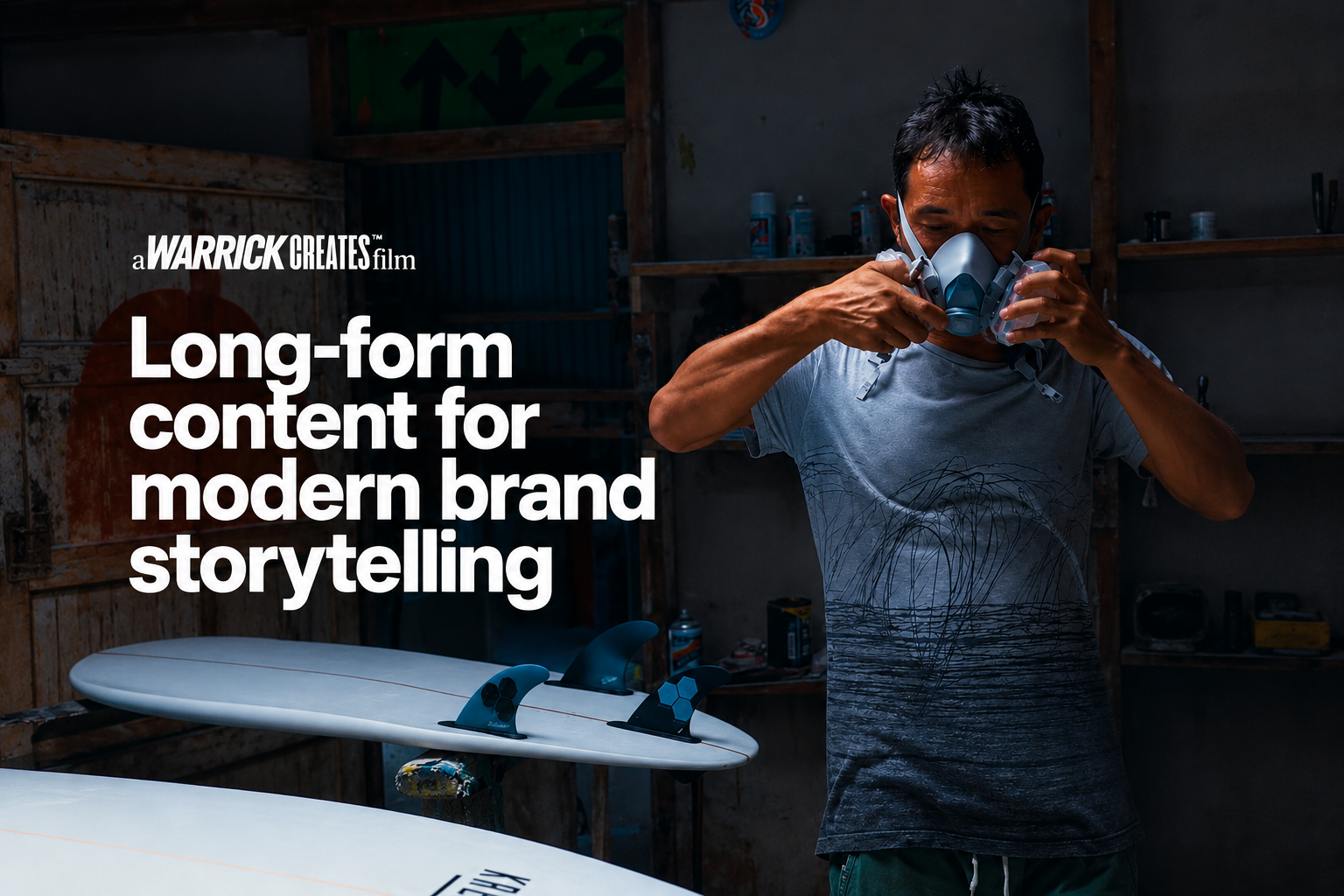
Field Note #1
Most content fails before anyone presses record.
Not because the footage isn't good.
Because nobody has decided what the footage is supposed to achieve.
When people talk about long-form brand storytelling, they usually jump straight to cameras, scripts or editing.
We've found it's almost the opposite.
The story starts long before the first battery is charged.
It starts with understanding people.
What excites them?
What are they nervous about?
What questions are they quietly asking before they click "Book Now"?
What moments will they remember long after they've unpacked their bags?
Those questions became the foundation of the entire project.
Everything else came later.
The Problem Was Never the Content
This wasn't a project born from a lack of content.
In fact, Driftwood had plenty.
Professional photography.
Drone footage.
Surf clips.
Guest images.
Social media posts.
Like many hospitality businesses, the challenge wasn't producing content.
It was producing content that worked together.
Every new campaign seemed to start from scratch.
A new promotion meant organising another shoot.
A new blog meant searching for images that almost fit.
A new landing page meant realising there wasn't quite the right video to support it.
There was no shortage of assets.
There was a shortage of strategy.
And I don't think Driftwood is unique.
We see this across almost every industry.
Businesses are creating more content than ever before, yet many feel like they're constantly running out of things to post.
Not because they're inactive.
Because everything they're producing has a short lifespan.
One Instagram Reel.
One campaign.
One advert.
Then it's gone.
The internet rewards consistency, but consistency becomes exhausting when every piece of content has to be created from scratch.
We wanted to build something different.
Not another campaign.
A system.
One that would still be delivering value months after the cameras had gone home.
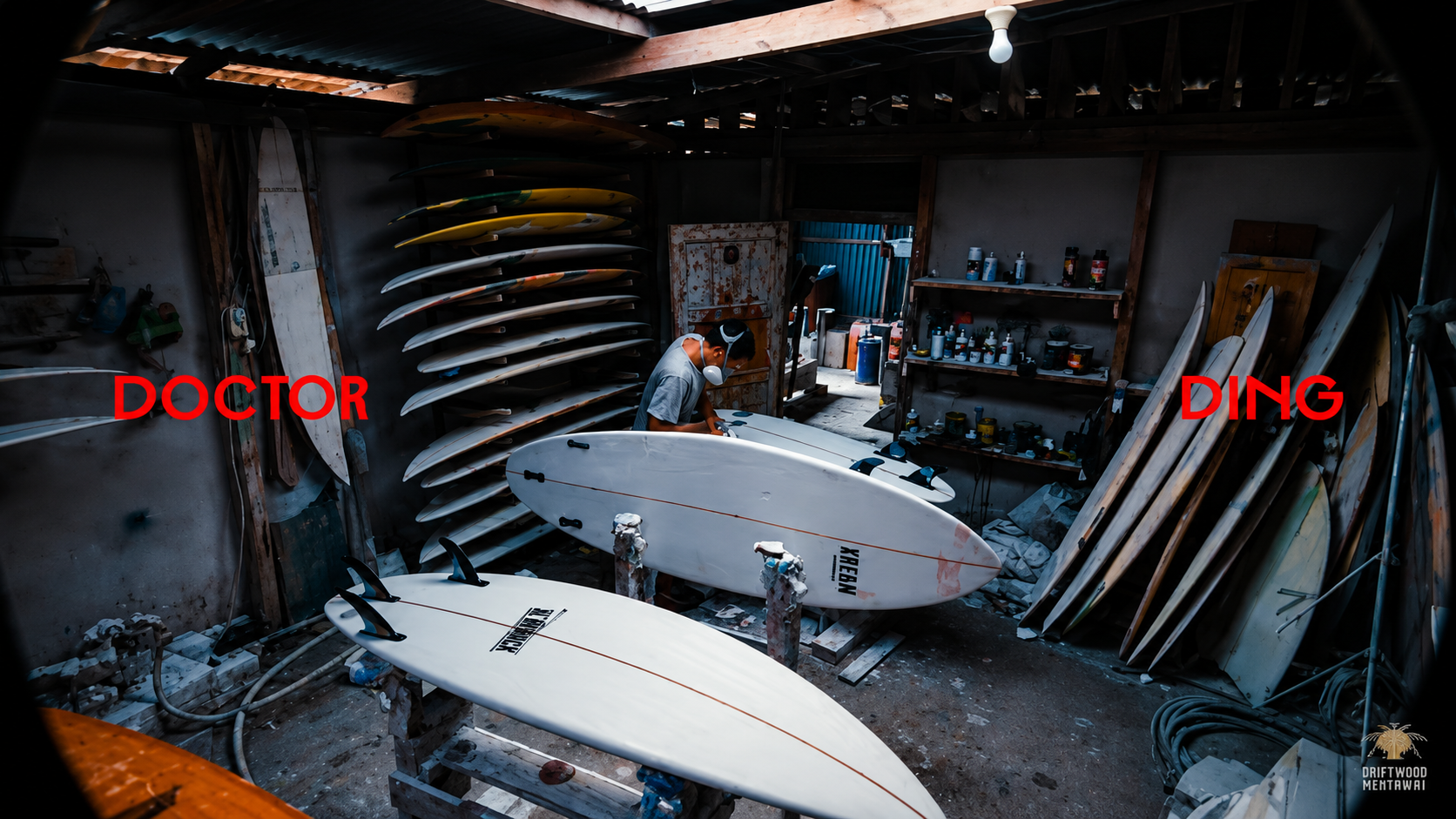
Note #2
The goal isn't to create more content.
The goal is to create content that keeps creating value.
That shift completely changed the conversation.
Instead of asking, "What should we film?"
We started asking, "What marketing challenges are we trying to solve?"
Those are two very different questions.
One leads to a shot list.
The other leads to a strategy.
That's where the real work began.
Before We Talked About Cameras, We Talked About People
One thing that surprised me looking back at our planning sessions was how little we actually discussed filmmaking in the beginning.
We weren't debating lenses.
We weren't talking about drones.
We weren't obsessing over camera movements or transitions.
Instead, we found ourselves talking about completely different things.
Why do people save for years to take a surf trip to the Mentawai Islands?
What makes someone choose Driftwood over dozens of other camps?
What moment makes a guest realise, "I'm so glad I booked this place"?
Is it the first wave?
The boat ride?
Meeting new friends?
The food?
The slower pace of life?
Or is it something much harder to define?
The answers mattered because they shaped every creative decision that followed.
If we couldn't explain why Driftwood was different without picking up a camera, no amount of beautiful footage was going to solve that problem.
That became our creative filter.
Every scene needed a reason to exist.
Every interview needed to answer a question.
Every sequence needed to move the story forward.
The camera was never the starting point.
It was simply the tool we used to tell the story we'd already uncovered.
And I think that's where a lot of businesses unintentionally get it backwards.
They hire a photographer.
Or a filmmaker.
Or a creative agency.
Then they ask them to figure out the story on the day.
Sometimes it works.
Most of the time, it doesn't.
Because the best brand storytelling examples aren't discovered by accident.
They're uncovered through curiosity, planning and asking better questions before anyone ever presses record.
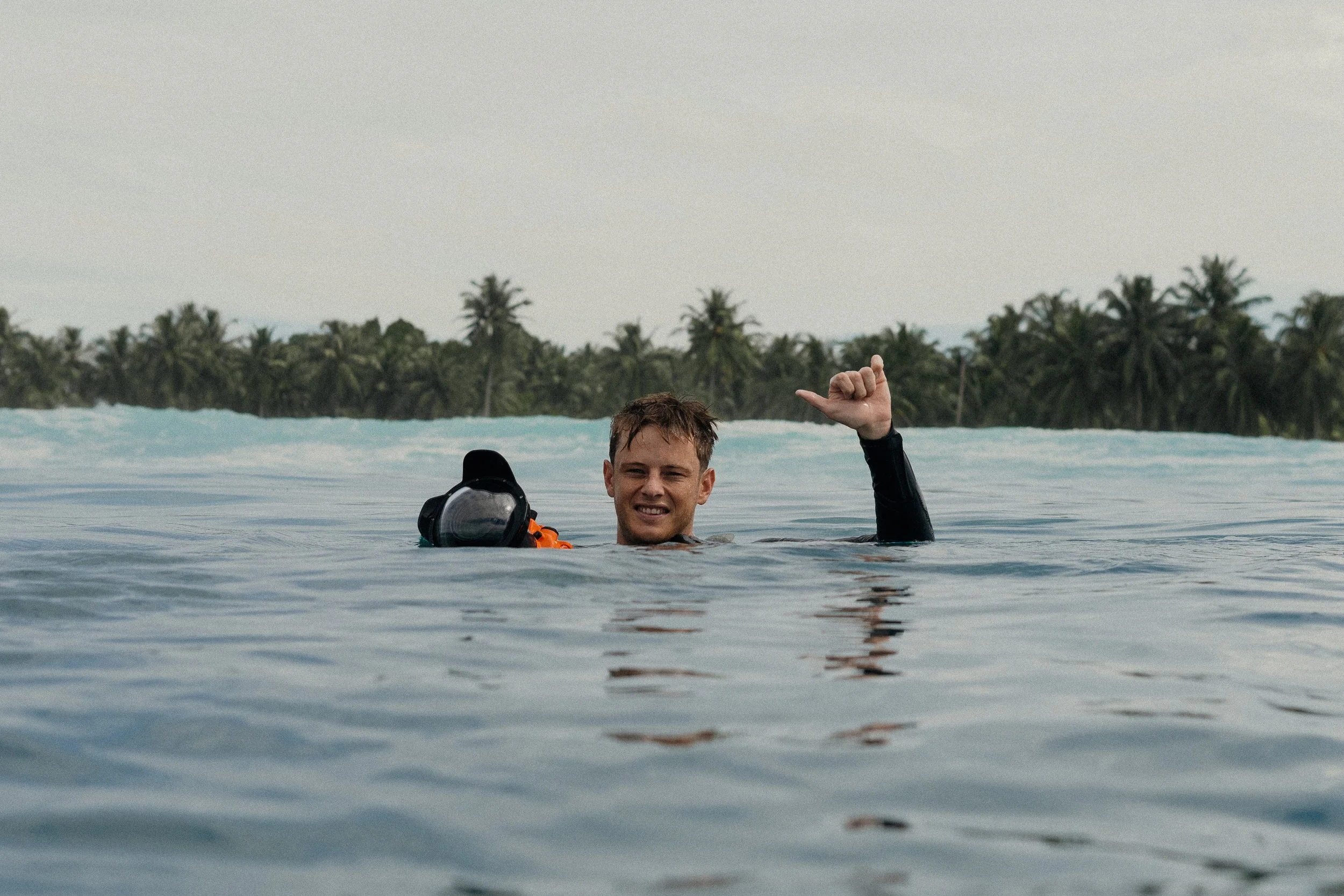
Choosing the Right Filmmaker Was More Important Than Choosing the Right Camera
By the time we started talking about cameras, we'd already answered the questions that actually mattered.
Who are we speaking to?
What story are we trying to tell?
What should someone feel after watching these films?
Only then did we start thinking about who should help us tell that story.
That decision led us to Warrick Leach.
If you've ever watched Warrick's work, one thing becomes obvious very quickly.
He's incredibly patient.
Not in the sense that he'll wait for perfect light or ideal conditions.
Patient enough to let real life unfold in front of the camera.
That's a very different skill.
There are filmmakers who create beautiful scenes.
Then there are filmmakers who notice beautiful moments.
We weren't looking for the first.
We were looking for the second.
Because Driftwood has never tried to be the loudest surf camp in the Mentawais.
It isn't built around luxury for the sake of luxury.
It isn't about perfectly curated experiences.
It's about simplicity.
It's about waking up before sunrise because the forecast looks promising.
It's about sharing a boat with people who were strangers three days ago.
It's about eating together after everyone has surfed themselves into exhaustion.
It's about slowing down.
Trying to manufacture those moments would have completely missed the point.
So we didn't.
Warrick wasn't there to direct people's experiences.
He was there to observe them.
Some mornings he'd disappear before anyone else was awake.
Other days he'd spend hours on a boat waiting for one conversation, one expression or one sequence that couldn't be recreated later.
Ironically, those moments often became our favourites.
Not because they were technically perfect.
Because they felt honest.
Field Note #3
Authenticity isn't something you create.
It's something you notice.
I think that's becoming one of the biggest competitive advantages a brand can have.
AI can already generate impressive visuals.
It can write captions.
It can edit videos.
It can even create people who don't exist.
What it can't manufacture particularly well is genuine lived experience.
The look someone gives after the best wave of their trip.
The quiet satisfaction of sitting down to dinner after eight hours in the ocean.
The awkward laugh between people who met three days ago and now feel like lifelong friends.
Those moments aren't valuable because they're rare.
They're valuable because they're real.
And audiences are becoming remarkably good at spotting the difference.
We Didn't Produce One Film.
We Produced Four.
This was probably the biggest strategic decision we made.
Most businesses invest in one hero video.
They want it to introduce the brand.
Sell the accommodation.
Show the experience.
Explain the product.
Build trust.
Work on social media.
Sit on the homepage.
Support paid advertising.
Convince people to enquire.
Convince people to book.
That's an impossible job for one film.
It's a bit like expecting one employee to be your salesperson, photographer, receptionist, accountant and operations manager.
Eventually something gives.
Instead, we treated each film like its own member of the marketing team.
Each one had a very specific job to do.
One introduced the Driftwood story.
One focused almost entirely on the surfing experience.
Another slowed everything down and explored life around camp. The accommodation, the food, the conversations and the rhythm that guests settle into after a few days on the island.
Another widened the lens even further, exploring the adventure of travelling to one of the world's most iconic surf destinations.
Each film answered different questions.
Each one removed different objections.
Each one built trust in a different way.
And because they weren't trying to achieve everything at once, they became far stronger individually.
That's a principle we've started applying to almost every content marketing strategy we build.
Every piece of content should know why it exists.
If a video can't answer the question, "What job is this doing?", it probably doesn't need to exist.
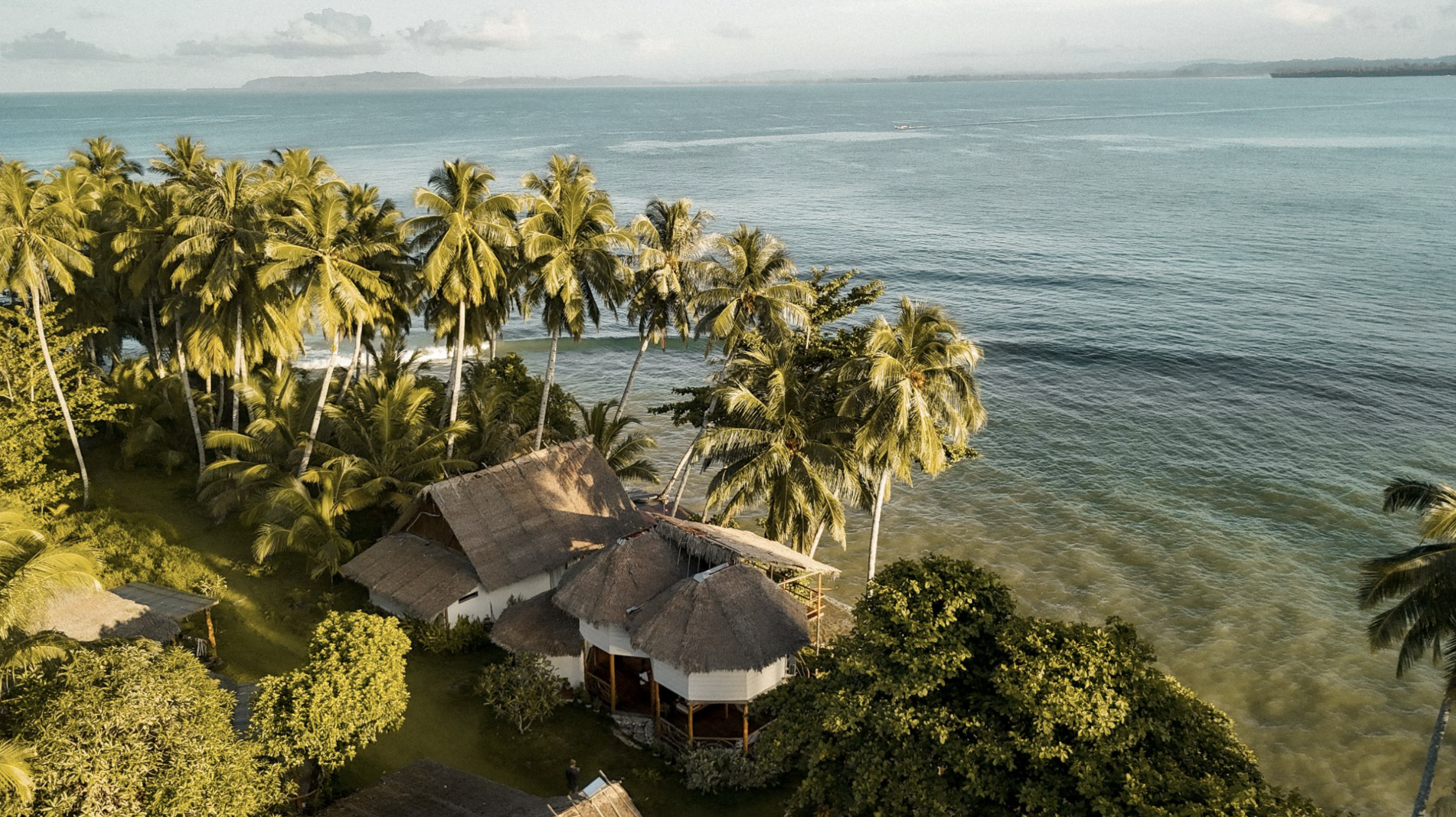
Field Note #4
Every piece of content needs a job.
If it tries to do everything...
It usually achieves very little.
The Real Deliverable Wasn't Four Films
This is the part I think most businesses underestimate.
When the shoot finished, we didn't celebrate because we'd produced four long-form films.
We celebrated because we'd just built the foundations for months of marketing.
Those films became homepage videos.
Sections of them became Instagram Reels.
Short clips found their way into Meta campaigns.
Website headers.
Blog articles.
Email newsletters.
Landing pages.
Organic social posts.
Future campaigns.
Photography captured alongside filming gave us an entirely new image library.
Small moments became standalone stories.
One interview became multiple pieces of content.
One sequence from a boat ride could support three completely different campaigns depending on the context.
By the time Warrick left the island after nearly two months, Driftwood hadn't just received four films.
They'd received a marketing library.
There's a huge difference.
One depreciates.
The other compounds.
When your content is planned strategically, every new campaign starts with assets you already own instead of another production budget.
That's when content starts behaving less like an expense and more like an investment.
And that's exactly what every business should be aiming for.
Not more content.
Better systems.
Because one exceptional shoot should still be creating value long after everyone has packed their cameras away.
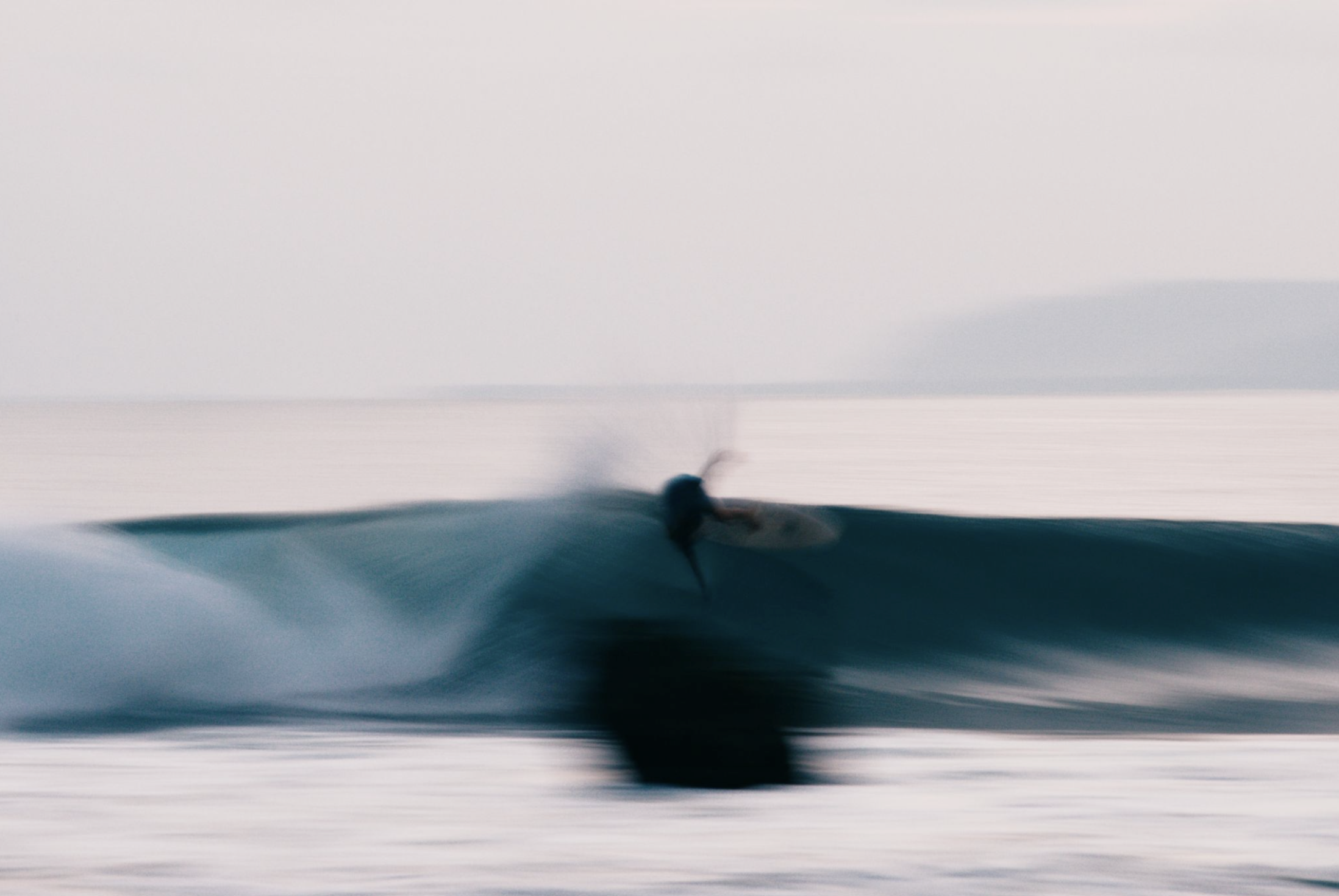
Field Note #5
Not every project goes exactly to plan.
One of the reasons I wanted to write this as the first Field Notes article is because I don't believe in pretending every project goes exactly to plan.
It didn't.
And I'm glad it didn't.
After the first week of filming, two of Driftwood's camp puppies were chasing each other around the resort when they knocked over Warrick's camera. Before anyone could react, it tumbled straight into the ocean.
If you've ever worked somewhere as remote as the Mentawai Islands, you'll know there's no camera shop down the road.
Replacing it meant over a week of waiting, a hefty unexpected expense, and a production schedule that suddenly became a lot tighter than we'd planned.
It was frustrating in the moment.
But it's also a reminder of what real productions look like.
Things go wrong.
Equipment fails.
The weather changes.
Flights get delayed.
People get sick.
The best creative projects aren't the ones where nothing goes wrong. They're the ones where everyone adapts and keeps moving forward.
Looking Back, We'd Still Do a Few Things Differently
Looking back now, there are a few things I'd change if we were starting again tomorrow.
The first is surprisingly simple.
I'd film even more of what wasn't on the shot list.
Some of my favourite moments from the entire project weren't the ones we'd planned.
They happened while everyone was waiting.
Someone waxing a board before sunrise.
The boat pulling away from camp before anyone had really woken up.
A conversation over coffee that had nothing to do with surfing.
The kitchen staff preparing breakfast while everyone slowly drifted in after the morning session.
None of those moments were spectacular.
That's exactly why they mattered.
They made the films feel lived in.
I've realised that audiences don't just want to see the highlight.
They want to understand the rhythm of a place.
What does an ordinary morning feel like?
What happens between the waves?
What's the atmosphere around camp when the swell goes flat?
Those are the moments that build emotional connection.
Not another drone shot.
I'd also spend more time sitting people down for conversations.
Not formal interviews.
Just honest discussions.
I'd love to hear a returning guest explain why they keep coming back.
Or a surf guide talk about the first time they surfed a particular break.
Or one of the kitchen team describe what it's like feeding hungry surfers every evening after a full day in the water.
Those stories exist in every business.
Most brands simply never think to ask.
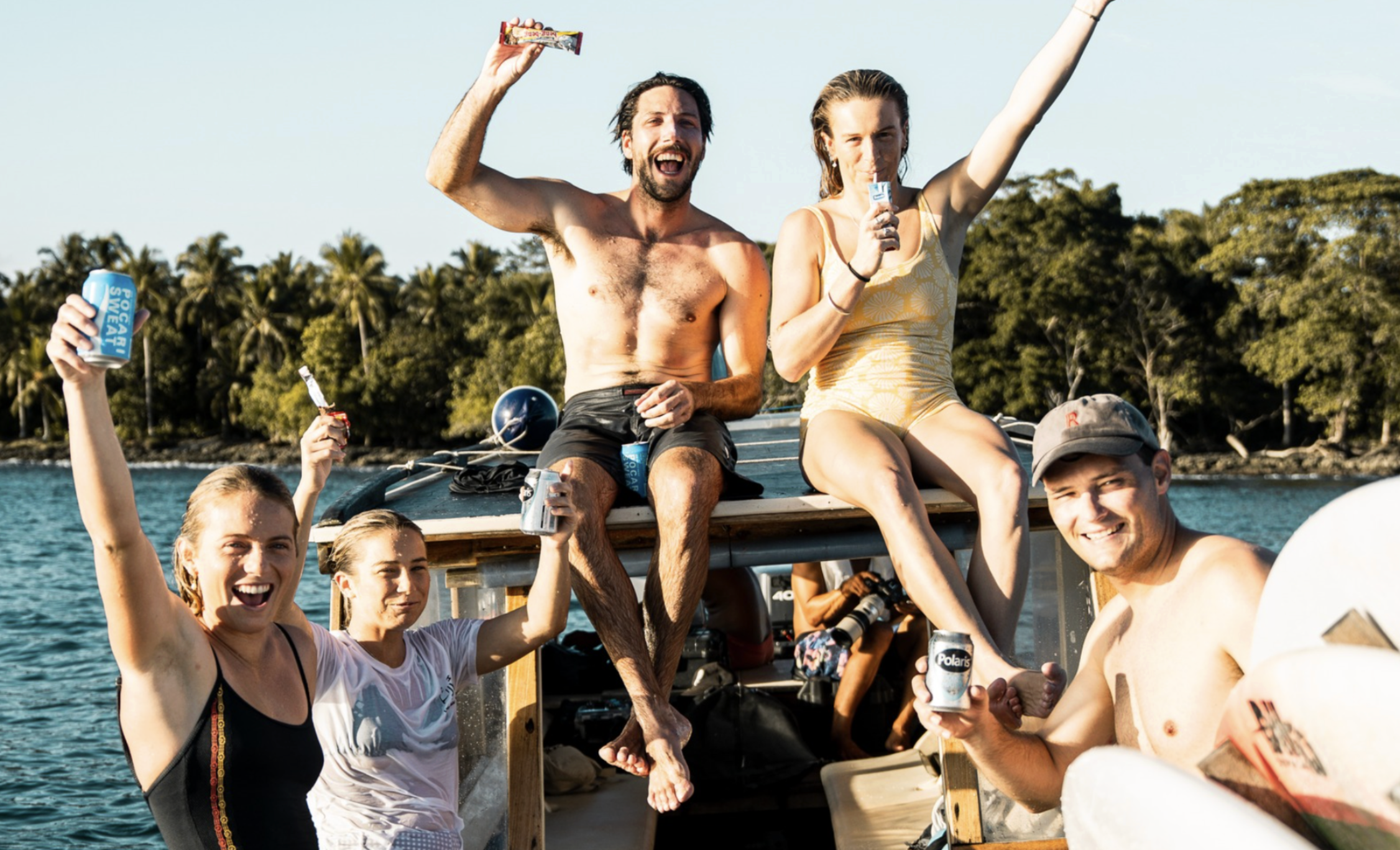
Field Note #6
People remember people.
The location gets their attention.
The people give them a reason to come back.
Another thing we'd invest in more heavily is educational content.
That might sound strange in an article about storytelling, but the two are far more connected than people realise.
Every week, people search questions like:
What's the best time of year to surf the Mentawais?
What boards should I bring?
How fit do I need to be?
What does a typical day actually look like?
Answering those questions through film creates value long before someone is ready to book.
It also creates content that keeps working.
Promotional campaigns have an expiry date.
Educational content often doesn't.
That's one of the biggest lessons we've learned while building content marketing strategies for hospitality and tourism brands.
The businesses winning organic search aren't necessarily creating more content.
They're creating more useful content.
There's a big difference.
I'd also love to experiment more with creator collaborations.
Not because influencer marketing is the answer to everything.
Far from it.
But different people notice different things.
A filmmaker sees stories.
A photographer notices light.
A surfer notices conditions.
A chef notices food.
A returning guest notices the little traditions first-time visitors completely miss.
Every perspective adds another layer to the story.
The more authentic voices you can include without forcing them, the richer your brand becomes.
So, What Can Other Businesses Take From This?
You don't need to run a surf camp in Indonesia to apply any of this.
The principles are exactly the same whether you're a boutique hotel, a safari lodge, a restaurant, a coffee roastery or an outdoor brand.
The biggest lesson isn't about filmmaking.
It's about planning.
Most businesses begin a content shoot with a shot list.
I'd argue that's the wrong place to start.
Start with questions instead.
What does your customer need to believe before they'll buy from you?
What uncertainty are they trying to resolve?
What stories only your business can tell?
What moments happen every day that you've stopped noticing because they're so familiar?
That's where your content lives.
Not in the camera.
In the answers.
The second lesson is to stop thinking in campaigns.
Campaigns end.
Systems keep working.
When we planned Driftwood's content, we weren't asking ourselves how to fill next month's Instagram feed.
We were asking how one production could support the website, blogs, paid advertising, newsletters, YouTube, social media and future launches for months to come.
That completely changes the return on investment.
Instead of measuring the success of a shoot by how many videos you publish next week, you start measuring it by how many problems it solves over the next twelve months.
That's a much better metric.
Finally, don't assume that creating more content will solve a content problem.
In many cases, the opposite is true.
One carefully planned production, built around a clear strategy and executed with patience, will outperform months of reactive posting.
Not because the production was bigger.
Because every frame had a purpose.

Evan Hamlyn, Legs Brands founder
The Legs Brands Take
I think the marketing industry has become obsessed with producing content.
More posts.
More videos.
More reels.
More campaigns.
More everything.
But very little of it slows people down.
Very little of it makes them feel something.
Working alongside Driftwood Mentawai reminded me that the best stories are usually hiding in plain sight.
They aren't manufactured.
They're observed.
The camera simply gives us a way to preserve them.
Looking back, I don't think the biggest achievement was producing four long-form films.
It was changing the way we think about content.
We stopped measuring success by what we could publish next week.
We started measuring success by how long one idea could keep creating value.
That's a very different way to build a brand.
And as AI continues making content creation faster, cheaper and easier, I suspect genuine visual storytelling will become even more valuable.
Not because it can't be replicated.
Because it can't be lived.
That's something no algorithm can capture.
Thinking about producing content for your business?
Before you book a photographer or filmmaker, make sure you have a strategy worth capturing.
Whether you're building a hospitality brand, a tourism business or an outdoor lifestyle company, your best marketing asset probably isn't another campaign.
It's a better story.
If you'd like to explore how strategic long-form brand storytelling can support your business long after the cameras stop rolling, we'd love to help.
Book a Content Strategy Session with Legs Brands and let's build a content ecosystem that keeps working long after production wraps.
