

What a Marine Conservation Organisation Taught Us About Better Email Marketing Strategy
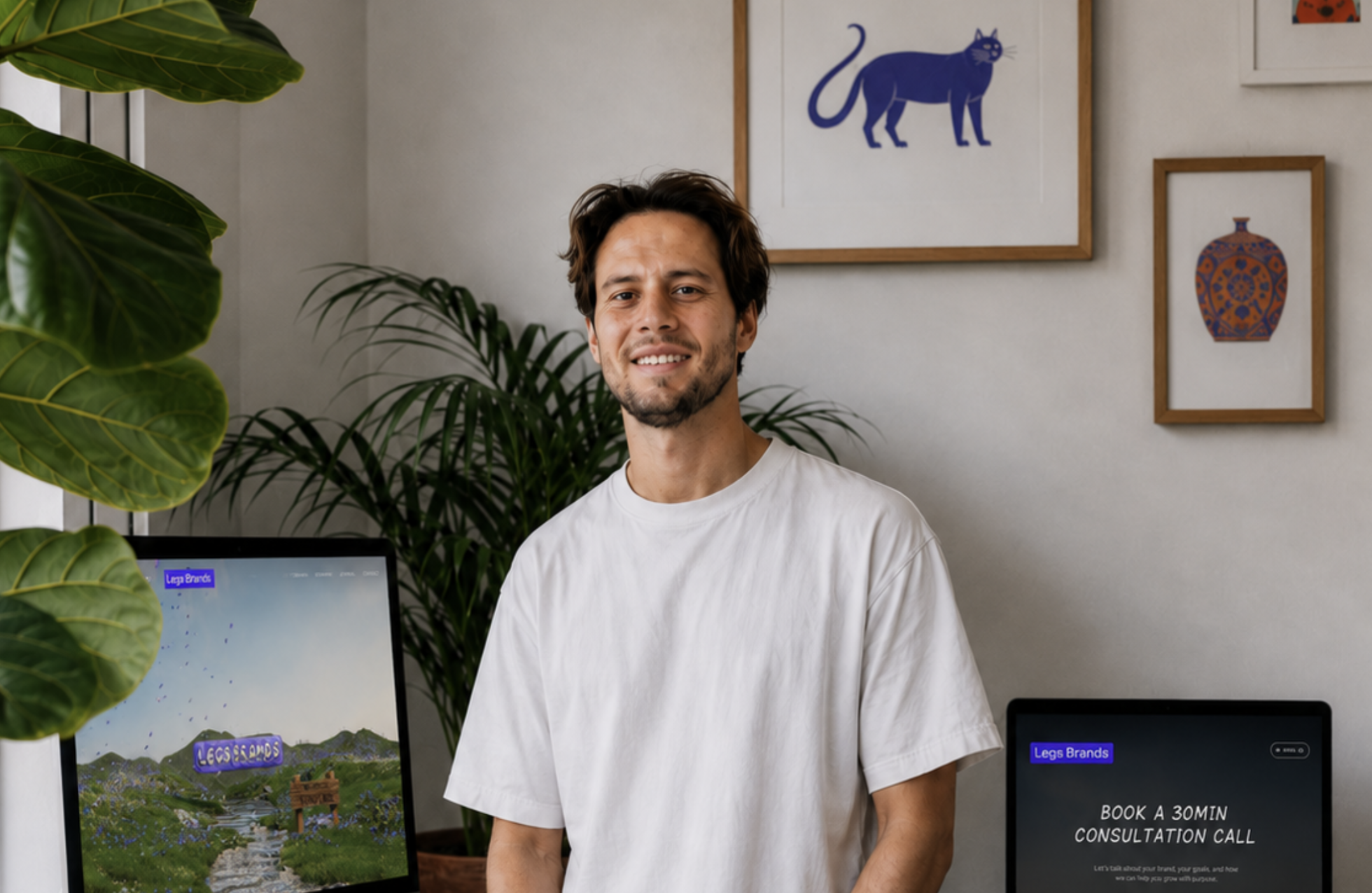
A reflection by Evan Hamlyn, Founder of Legs Brands®
Welcome to Field Notes. Our journal of real projects, real decisions and real lessons from the work we do every day.
No theory. No recycled advice. Just practical insights from the field, shared to help other businesses grow.
If someone offered me 100,000 Instagram followers or an email list of 10,000 genuinely engaged subscribers, I'd take the email list every single time.
That usually surprises people.
Social media gets all the attention.
AI search is changing the way people discover businesses.
Every week there's another platform, another algorithm update or another marketing trend that promises to change everything.
Meanwhile, one of the most effective marketing channels ever created has quietly carried on doing exactly what it's always done.
Showing up in someone's inbox.
No algorithm deciding whether your audience gets to see your content.
No hoping the timing is right.
No competing with trending audio or viral posts.
Just a direct conversation with someone who has already said, "Yes, I'd like to hear from you."
I don't think email marketing is making a comeback.
I don't think it ever left.
We've just been distracted.
That thought stayed with me while working alongside the Bazaruto Center for Scientific Studies (BCSS) over the past year.
If there was ever an organisation that should have no shortage of stories to tell, it's one dedicated to marine conservation and scientific research in one of the world's most extraordinary marine ecosystems.
Every week brought something new.
Researchers documenting coral reefs.
Humpback whales being identified through photo identification.
Students arriving from around the world to gain hands-on scientific training.
New conservation partnerships.
Field discoveries.
Dive expeditions.
The challenge was never finding interesting stories.
It was making sure those stories actually reached people in a way they'd enjoy reading.
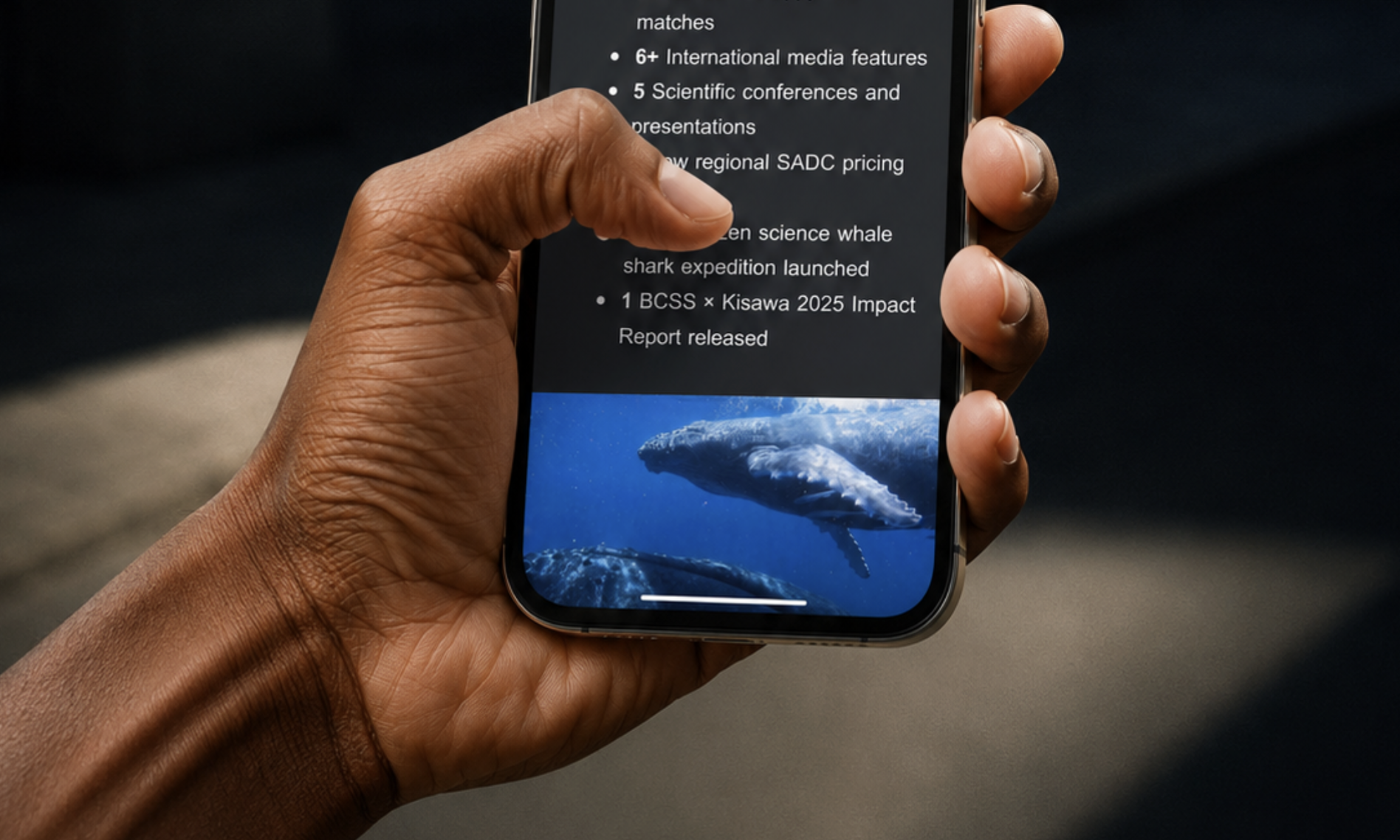
Field Note #1
People don't subscribe because they love newsletters.
They subscribe because they don't want to miss a good story.
When people think about email marketing strategy, they often jump straight to open rates, subject lines and automation.
Those things matter.
But they're not where the strategy starts.
It starts with a much simpler question.
Why should someone look forward to hearing from you?
That's a surprisingly difficult question for most organisations to answer.
Especially organisations like BCSS.
How do you communicate scientific discoveries without sounding like an academic journal?
How do you simplify years of research without losing credibility?
How do you celebrate conservation wins without making every email feel like another organisational update?
Finding that balance became the real project.
Not redesigning a newsletter.
Rethinking what a newsletter should actually be.
We Weren't Trying to Build a Better Newsletter
We Were Trying to Build a Better Relationship.
One of the first things we realised was that BCSS didn't have a content problem.
It had a communication problem.
The organisation was producing remarkable work.
The challenge was that most of it was being communicated exactly as scientists communicate with one another.
Detailed.
Thorough.
Accurate.
Those are all strengths.
They're also the reason many readers quietly stop reading halfway through.
Scientists are trained to document.
Readers want to discover.
There's a difference.
Our job wasn't to make the science less credible.
It was to make it more approachable.
To tell the story without losing the substance.
That changed the way we approached every edition.
Instead of asking,
"What happened this month?"
we started asking,
"What's the most interesting story we can tell this month?"
That one shift changed almost everything.
Because newsletters aren't magazines full of everything you've done.
They're conversations.
And like any good conversation, not every detail deserves equal attention.
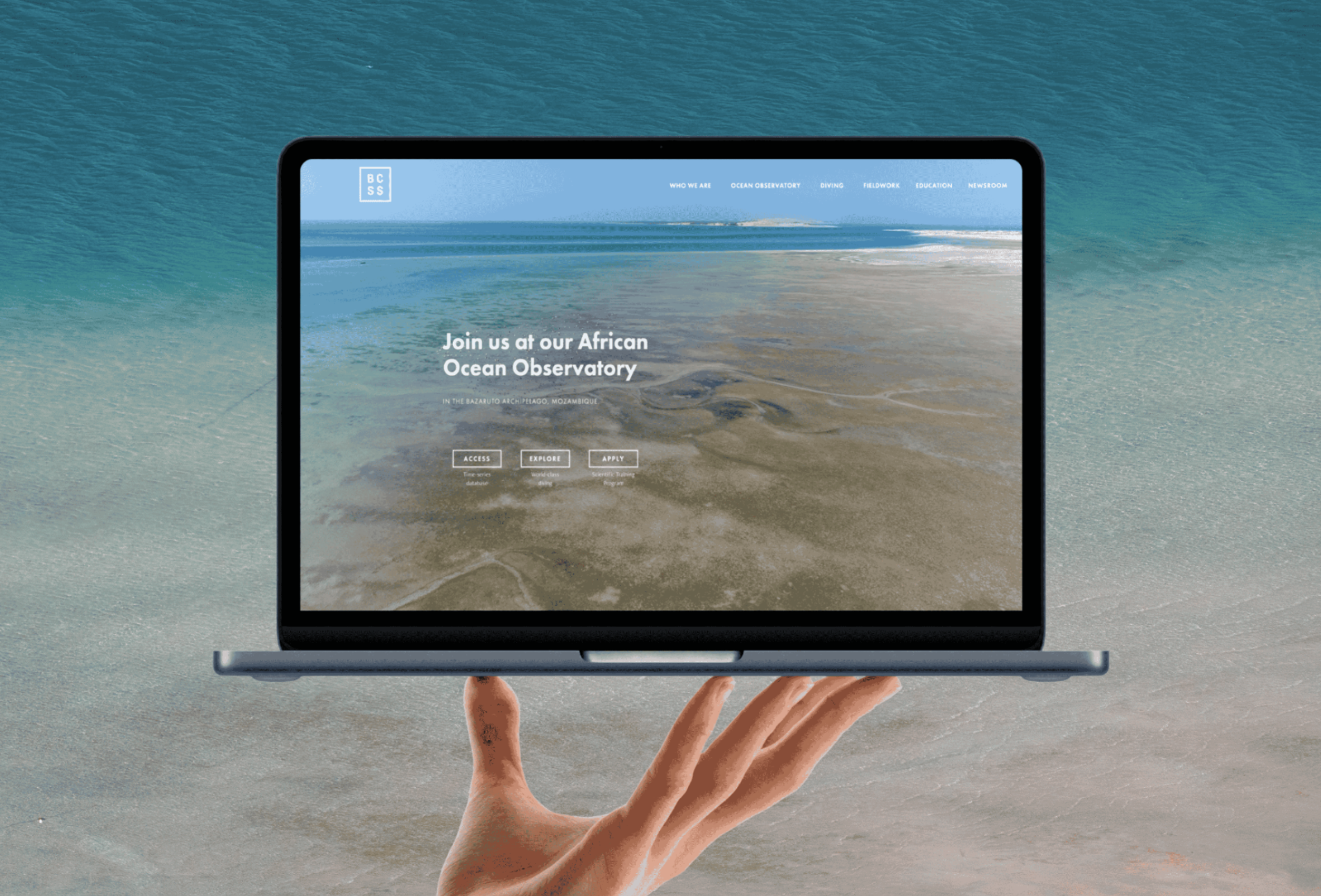
Field Note #2
Just because something happened...
...doesn't mean it belongs in the newsletter.
The best newsletters aren't built around everything you could say.
They're built around the few things your audience will genuinely care about.
The more we worked on BCSS's communications, the more obvious something became.
People weren't opening the newsletter because they wanted organisational updates.
They were opening it because they wanted a window into a world they'd never normally get to experience.
Marine scientists preparing for a dive.
Researchers deploying underwater instruments.
Whales returning to the Bazaruto Archipelago.
Students spending weeks learning in the field.
Conservation doesn't happen in conference rooms.
It happens on boats.
In laboratories.
On beaches.
Underwater.
That's where the stories lived.
Our job was simply to help them surface.
The Biggest Mistake Most Newsletters Make
I think too many organisations treat newsletters like noticeboards.
A collection of announcements.
New partnerships.
Upcoming events.
Awards.
Press releases.
Internal updates.
Then they wonder why engagement slowly declines.
The problem usually isn't the audience.
It's the format.
People don't wake up hoping to receive another list of announcements.
They want to learn something.
They want to feel something.
They want to see something they haven't seen before.
That's why we stopped thinking about BCSS's newsletter as an email.
We started thinking about it as a magazine.
Every edition needed a cover story.
Supporting features.
Strong photography.
A clear flow.
Breathing room.
One obvious next step.
Suddenly, decisions became much easier.
If a story wasn't interesting enough to make the front page of a magazine...
Why would it deserve the first section of the newsletter?
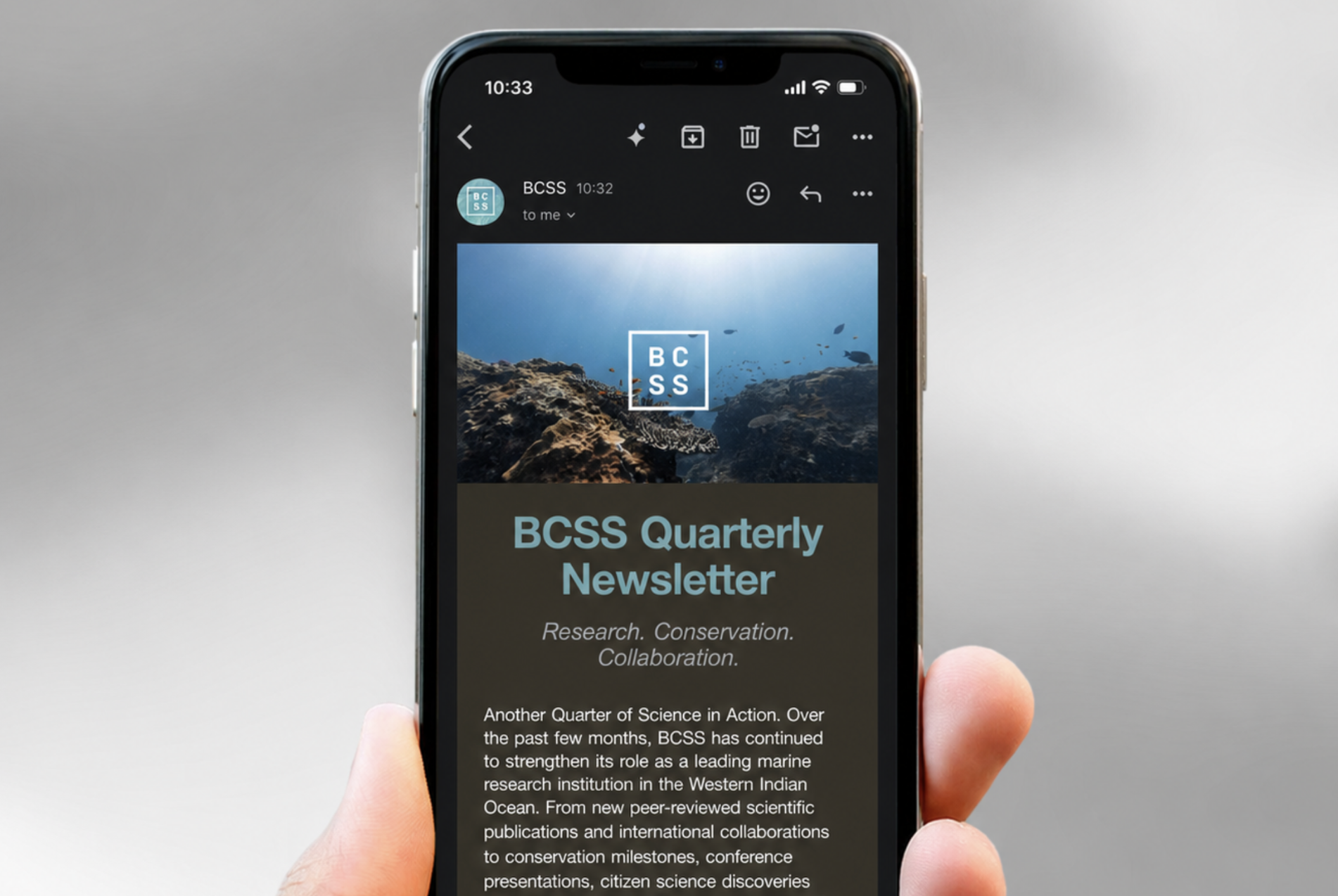
Image (Danel Wentzel)
We Didn't Rebuild the Newsletter.
We Rebuilt the Reading Experience.
One of the first practical changes we made had nothing to do with design.
It was structure.
Every edition felt different.
Some newsletters were packed with updates.
Others leaned heavily into research.
Some were image-heavy.
Others felt like long reports.
Individually, there was nothing wrong with them.
Collectively, they lacked rhythm.
As readers, we naturally enjoy familiarity.
We know where to find the sports section in a newspaper.
We know where the weather forecast usually sits.
We know what to expect from our favourite magazine.
That predictability doesn't make the experience boring.
It makes it effortless.
So instead of treating every newsletter like a blank canvas, we built a framework that could evolve over time while still feeling familiar.
Rather than asking, "How should this month's newsletter look?", we asked,
"If someone has opened the last six editions, what are they hoping to see next?"
That completely changed the way we approached each send.
Instead of trying to fit every update into one email, each edition had a clear flow.
A feature story.
A research highlight.
A conservation update.
Something happening behind the scenes.
Community news.
Upcoming opportunities.
Not because every issue needed every section.
But because readers enjoy knowing where the journey is taking them.
The less mental effort someone spends figuring out your newsletter...
The more attention they can give to the stories inside it.
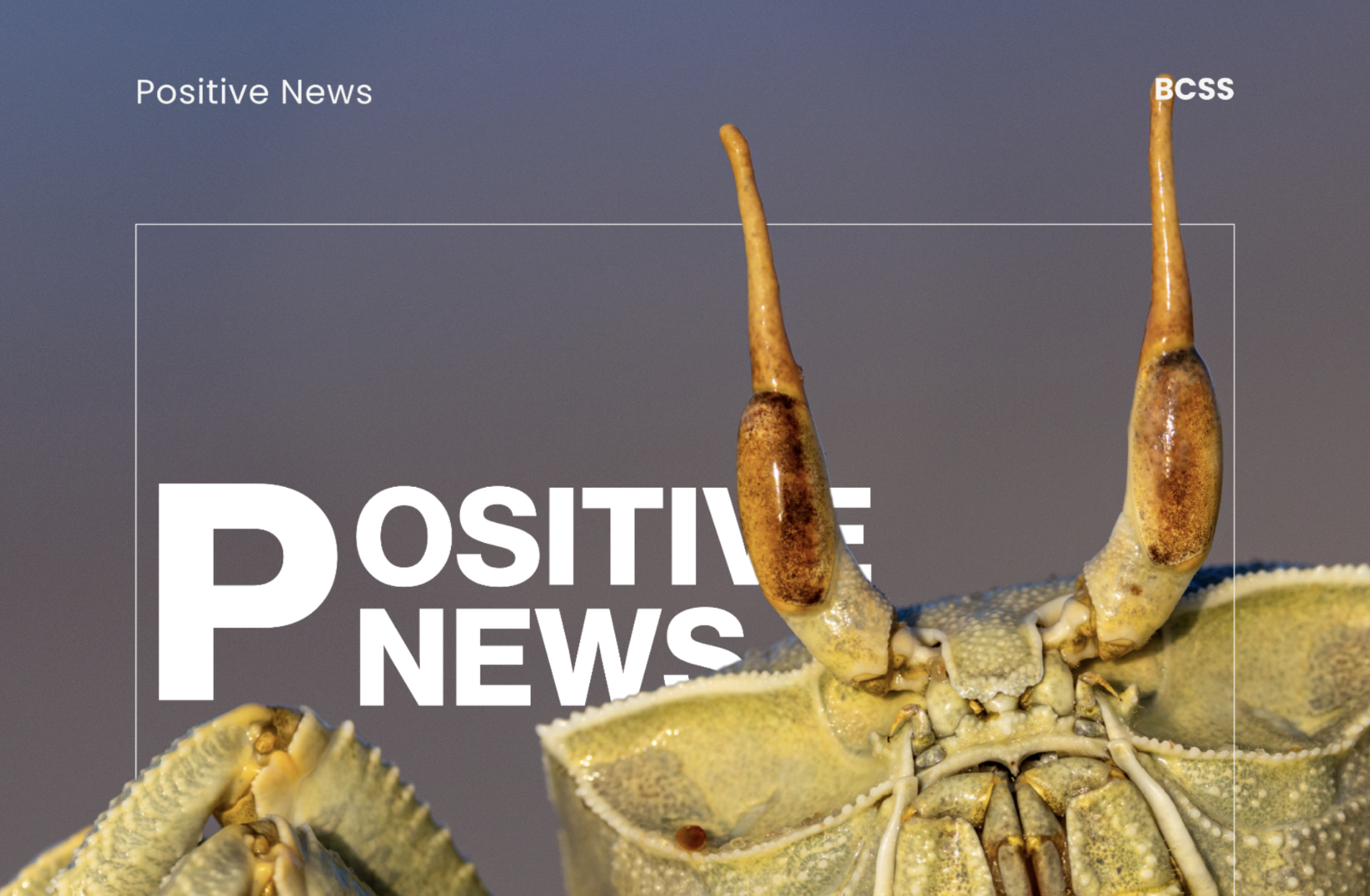
Field Note #3
Consistency builds trust.
Not because every newsletter looks the same.
Because every newsletter feels familiar.
The interesting part is that this wasn't really about newsletters at all.
It was about respecting the reader's time.
Every decision became easier when we stopped asking what BCSS wanted to communicate and started asking what someone would genuinely enjoy reading on a Tuesday morning with a cup of coffee.
That's a very different design brief.
Design Should Help the Story, Not Compete With It
I've always believed that good design is almost invisible.
You notice bad design immediately.
You rarely notice great design.
That's exactly what we wanted the newsletter to achieve.
The temptation with organisations doing exciting work is to include everything.
Another photograph.
Another paragraph.
Another announcement.
Another button.
Another call to action.
Before long, readers don't know where to look.
So we started removing things instead.
Shorter paragraphs.
Larger imagery.
More breathing room.
Stronger headings.
Clearer hierarchy.
One obvious action instead of five competing ones.
The newsletter became easier to navigate because it stopped trying so hard.
One lesson that kept coming up was just how many people were opening the newsletter on their phones.
That sounds obvious now, but it changes the way you design.
A layout that feels perfectly balanced on a desktop can become exhausting on a mobile screen.
Long paragraphs become walls of text.
Tiny buttons become impossible to tap.
Images lose their impact.
Every newsletter we designed had to work on a phone first.
Desktop became the bonus.
That's something I think a lot of organisations still underestimate.
People aren't setting aside thirty minutes at a computer to read your latest update.
They're reading while waiting for a meeting.
Standing in an airport queue.
Having their morning coffee.
Scrolling before bed.
Respecting that context changes everything.
Image (Danel Wentzel)
Field Note #4
Design isn't decoration.
It's the difference between someone reading your story...
...or closing the email after ten seconds.
We Also Had to Rethink What Success Looked Like
Marketing loves numbers.
Open rates.
Click-through rates.
Conversion rates.
Bounce rates.
They're all useful.
We track them too.
But I think they've also convinced a lot of marketers to measure the wrong things.
A newsletter with a brilliant open rate isn't necessarily building stronger relationships.
An email with fewer opens but thoughtful replies might be doing exactly that.
One of the most encouraging things we started seeing with BCSS wasn't just people clicking links.
It was people responding.
Sharing emails with colleagues.
Starting conversations.
Enquiring about training programmes.
Asking questions about research.
Exploring partnership opportunities.
Those interactions told us something that analytics couldn't.
People weren't just consuming the content.
They were engaging with it.
That's a completely different level of success.
It also reminded us of something that's easy to forget.
An inbox is one of the few places where someone has given you permission to have their attention.
That's a privilege.
Not a marketing channel.
Treat it well and people keep inviting you back.
Abuse it with constant promotions or empty announcements and eventually they'll stop opening altogether.
That's why I still believe email marketing ROI is often misunderstood.
The return isn't only measured in clicks.
It's measured in relationships.
The best newsletters don't just generate traffic.
They build familiarity.
They create trust.
They make someone feel like they know your organisation long before they ever become a customer, donor, volunteer or partner.
That's much harder to measure.
It's also far more valuable.
What Surprised Us Most
One of the reasons I enjoy writing these Field Notes is because they force me to look back honestly.
Not at what worked.
But at what we thought would work.
Those aren't always the same thing.
When we first started reshaping BCSS's newsletter strategy, I assumed readers would be most interested in the biggest announcements.
A new partnership.
A major research paper.
An organisational milestone.
Surely those would be the stories everyone clicked on.
I was wrong.
The stories people connected with most were usually the most human.
A researcher explaining why they chose marine science.
A student sharing what it felt like to complete their first scientific dive.
A whale photographed returning to the Bazaruto Archipelago.
The quiet moments between the headlines.
That surprised me.
Not because the science wasn't important.
But because people don't connect with organisations.
They connect with people.
The science gives the work credibility.
The people give it meaning.
Field Note #5
Facts make people understand.
Stories make people care.
You almost always need both.
Photography surprised us too.
I've worked in branding long enough to know that imagery matters.
But I don't think I'd fully appreciated just how much one compelling photograph could change the way an entire newsletter felt.
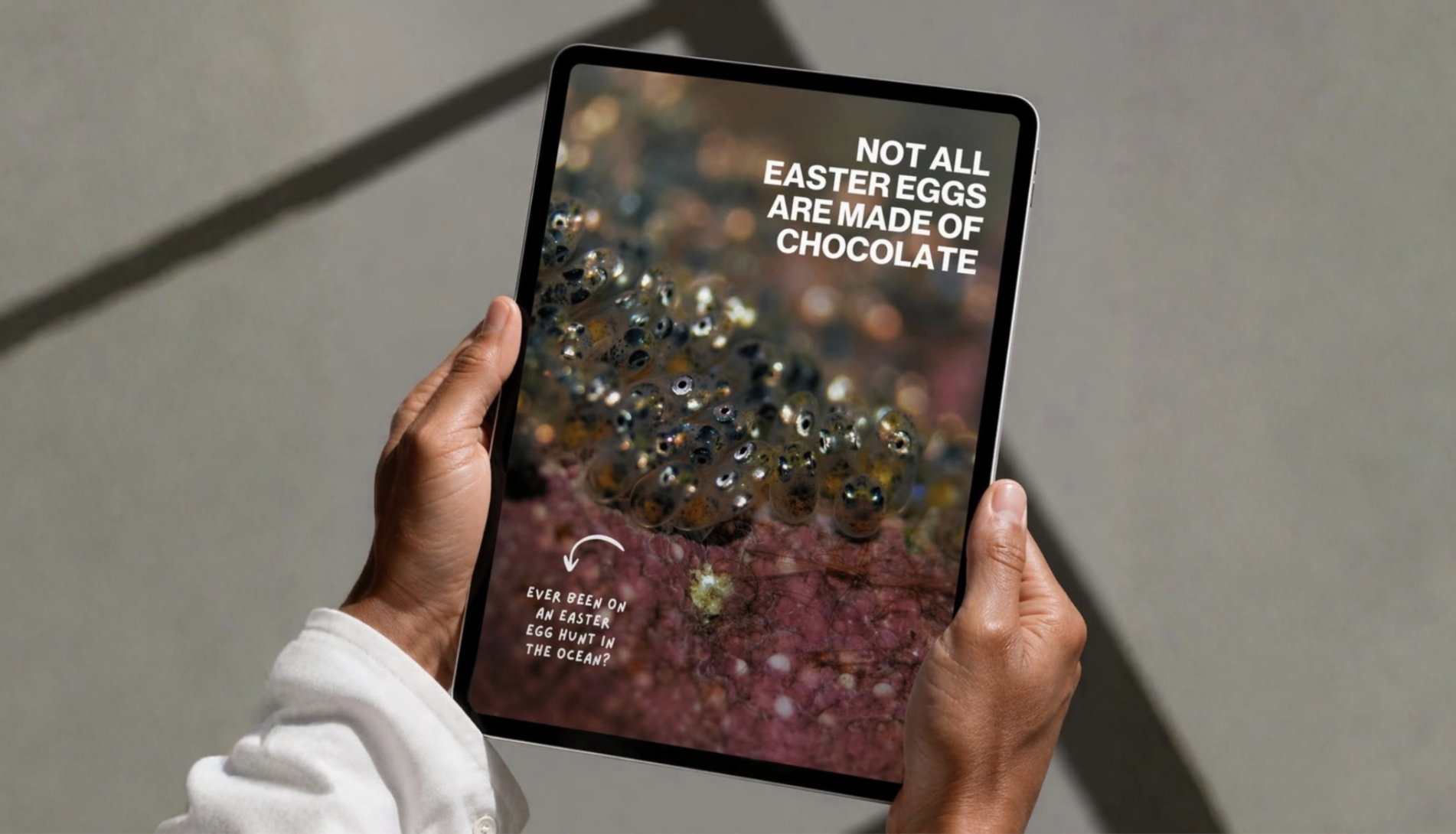
A beautifully lit image of researchers preparing equipment before sunrise.
A humpback whale lifting its tail clear of the water.
Students laughing on the dive boat between surveys.
Those photographs didn't simply illustrate the stories.
They became the reason people started reading them.
Good photography slows people down.
In an inbox full of promotions and notifications, that's incredibly valuable.
Another observation was that fewer stories often performed better than more.
There's a temptation to include every update because everyone's worked hard to make them happen.
I've been guilty of that myself.
But newsletters aren't annual reports.
Readers don't expect complete documentation.
They expect thoughtful curation.
Every story you choose to include also means choosing what to leave out.
That's difficult.
It's also one of the most important editorial decisions you'll make.
Looking Back, We'd Still Change a Few Things
If we were starting again tomorrow, there are a few things I'd invest more time in.
The first would be segmentation.
Not everyone subscribes for the same reason.
Someone interested in joining the Scientific Training Programme probably doesn't have exactly the same interests as a returning dive guest.
A university researcher isn't looking for the same content as someone considering their first conservation experience.
The more an organisation grows, the more important those differences become.
I'd also experiment more with automation.
Not the kind that sends generic marketing emails every few days.
The kind that welcomes someone properly.
Introduces them to your organisation over time.
Shares your best stories instead of simply your latest ones.
Makes every subscriber feel like they've just joined a community rather than another mailing list.
That's a subtle difference.
But I think it's an important one.
I'd also love to ask readers more questions.
We spend so much time trying to communicate with our audiences that we sometimes forget to listen.
A simple survey.
A reply prompt.
An invitation to share feedback.
Those small interactions can tell you more about your audience than another dashboard ever will.
Field Note #6
Your audience is constantly telling you what they value.
Most organisations just aren't creating enough opportunities to hear it.
So, What Can Other Organisations Learn?
You don't need to be a marine conservation organisation to apply any of this.
The principles are remarkably universal.
Whether you're running a safari lodge, a coffee roastery, a design studio or a non-profit, people are asking themselves the same question every time your email lands in their inbox.
"Is this worth my attention?"
Your design helps answer that.
Your subject line helps answer that.
Your reputation helps answer that.
But ultimately, your stories answer it best.
I think too many organisations write newsletters because the calendar tells them it's time.
The first Tuesday of the month arrives.
Someone remembers the newsletter.
Everyone scrambles to find enough updates to fill it.
Then the cycle repeats four weeks later.
That's backwards.
The best newsletters aren't created because it's Tuesday.
They're created because you have something genuinely worth sharing.
Sometimes that's a breakthrough.
Sometimes it's a lesson.
Sometimes it's simply introducing people to the humans doing meaningful work behind the scenes.
The schedule matters.
But the story matters more.
If there's one thing working with BCSS reinforced for me, it's this:
People don't subscribe because they want more information.
Information is everywhere.
People subscribe because they want a trusted voice to help them make sense of it.
That's a very different responsibility.
And it's one worth taking seriously.
The Legs Take
If there's one thing this project reinforced for me, it's that we've been asking the wrong question about email for years.
Instead of asking,
"How do we get more people to open our newsletters?"
we should be asking,
"How do we become the kind of organisation people genuinely want to hear from?"
They're very different questions.
One focuses on tactics.
The other focuses on trust.
I think we've become so distracted by algorithms, short-form content and the next marketing trend that we've overlooked one of the most valuable assets a business can own.
A permission-based audience.
Every person on your email list has made a conscious decision to invite you into one of the most personal digital spaces they have.
Their inbox.
That's not something to take lightly.
It's certainly not something to waste.
Every email should reward that trust.
Not with another sales pitch.
Not with another organisational announcement.
But with something that teaches, inspires, challenges or simply tells a story worth reading.
Working alongside Bazaruto Center for Scientific Studies reminded me that remarkable stories are rarely the problem.
Almost every organisation has them.
The challenge is recognising them.
Then telling them well.
I've started to think of newsletters less as a marketing channel and more as a publication.
Every edition should leave your audience feeling like those five or ten minutes were well spent.
Because if they close your email thinking, "I'm glad I read that," they'll almost certainly open the next one.
That's how anticipation is built.
Not through clever subject lines.
Through consistently worthwhile content.
As AI continues to make content creation faster and easier, I think this becomes even more important.
Generic updates are becoming increasingly effortless to produce.
Original thinking isn't.
Real stories aren't.
A perspective shaped by experience isn't.
That's why I believe the future of email marketing strategy won't belong to the organisations sending the most emails.
It will belong to the ones sending the most meaningful ones.
Evan Hamlyn, Founder
If Your Newsletters Feel More Like Announcements Than Conversations...
...it might be time to rethink the strategy behind them.
The best newsletters don't happen because someone remembered to send an email at the end of the month.
They happen because an organisation has built a system for consistently finding, shaping and sharing stories that people genuinely care about.
Whether you're a conservation organisation, a tourism brand, a growing business or a purpose-driven company, your inbox is still one of the few places where you have someone's undivided attention.
Use it well.
If you're ready to build an email marketing strategy that strengthens relationships instead of simply distributing updates, we'd love to help.
From content marketing, brand communications and digital strategy through to newsletter design and editorial planning, we help organisations create emails their audiences actually look forward to opening.
Book a strategy session with Legs Brands and let's create an email marketing system your audience genuinely wants to receive.
