Bazaruto Center for Scientific Studies
Africa’s first permanent Ocean Observatory
CHALLENGE
BCSS was navigating a disconnect between scientific, marketing, and operational teams — making it difficult to consistently produce content that was accurate, engaging, and visually refined.
At the same time, the organisation needed to promote dive bookings without compromising its nonprofit positioning — reframing participation as contribution, not transaction.
The opportunity was to build a digital ecosystem that could align teams, elevate storytelling, and drive meaningful engagement and participation.
STRATEGY
Rather than treating this as a marketing challenge, the focus was on building a unified system that connects science, storytelling, and conversion.
This included developing a content framework that simplifies complex research, aligning internal teams, and positioning dive experiences as a direct contribution to conservation — not a commercial product.
WORLD-CLASS RESEARCH CENTER & DIVING DESTINATION
The Bazaruto Center for Scientific Studies (BCSS) is a leading marine research organisation operating at the intersection of ocean science, conservation, and community impact.
While the work on the ground was world-class, the organisation faced challenges in translating complex research into clear, engaging communication — while also supporting its only revenue stream: dive experiences that fund ongoing conservation.
The opportunity was to build a digital ecosystem that could align teams, elevate storytelling, and drive meaningful engagement and participation.
-
To define a clear direction for BCSS, an initial phase of market research was conducted to better understand how the organisation was positioned across both the conservation and marine tourism landscapes.
This included analysing comparable research institutions, conservation-led travel operators, and dive destinations — identifying how they communicate credibility, attract global audiences, and convert interest into participation.
A key insight was the gap between scientific authority and public accessibility. While BCSS operated at a high level of research and conservation impact, this was not consistently reflected in its outward communication.
The research also highlighted an opportunity to reposition BCSS within a more defined niche — one that balances credible ocean science with immersive, purpose-driven experiences.
-
Rather than approaching this as a traditional marketing project, the focus was on building a structured system that could align internal teams and translate complex science into clear, engaging communication.
We approached the project by developing a unified content and brand framework that bridges the gap between scientific accuracy and visual storytelling — allowing BCSS to communicate with both credibility and clarity.
The strategy focused on four core pillars:
• A content system that translates scientific research into accessible, engaging narratives without compromising accuracy
• Alignment between scientists, marketing, and operations through clear content structures and workflows
• A brand and visual language that elevates perception while maintaining authenticity and trust
• A positioning strategy that reframes dive bookings as a direct contribution to conservation, not a commercial productRather than “selling” diving, the approach positioned participation as involvement — allowing BCSS to generate revenue while staying true to its nonprofit identity.

Strategy
A NEW STRATEGIC DIRECTION
BCSS was repositioned as a conservation-led organisation that invites participation — not just observation — allowing audiences to engage directly with ongoing research through diving and field-based experiences.
This direction informed the development of a unified content and marketing system, designed to simplify complex information, elevate visual communication, and create clear pathways from awareness to action.
The result is a more focused and intentional approach to marketing — one that strengthens both scientific credibility and public engagement.
Digital Infrastructure
WEBSITE OPTIMISATION & DEVELOPMENT
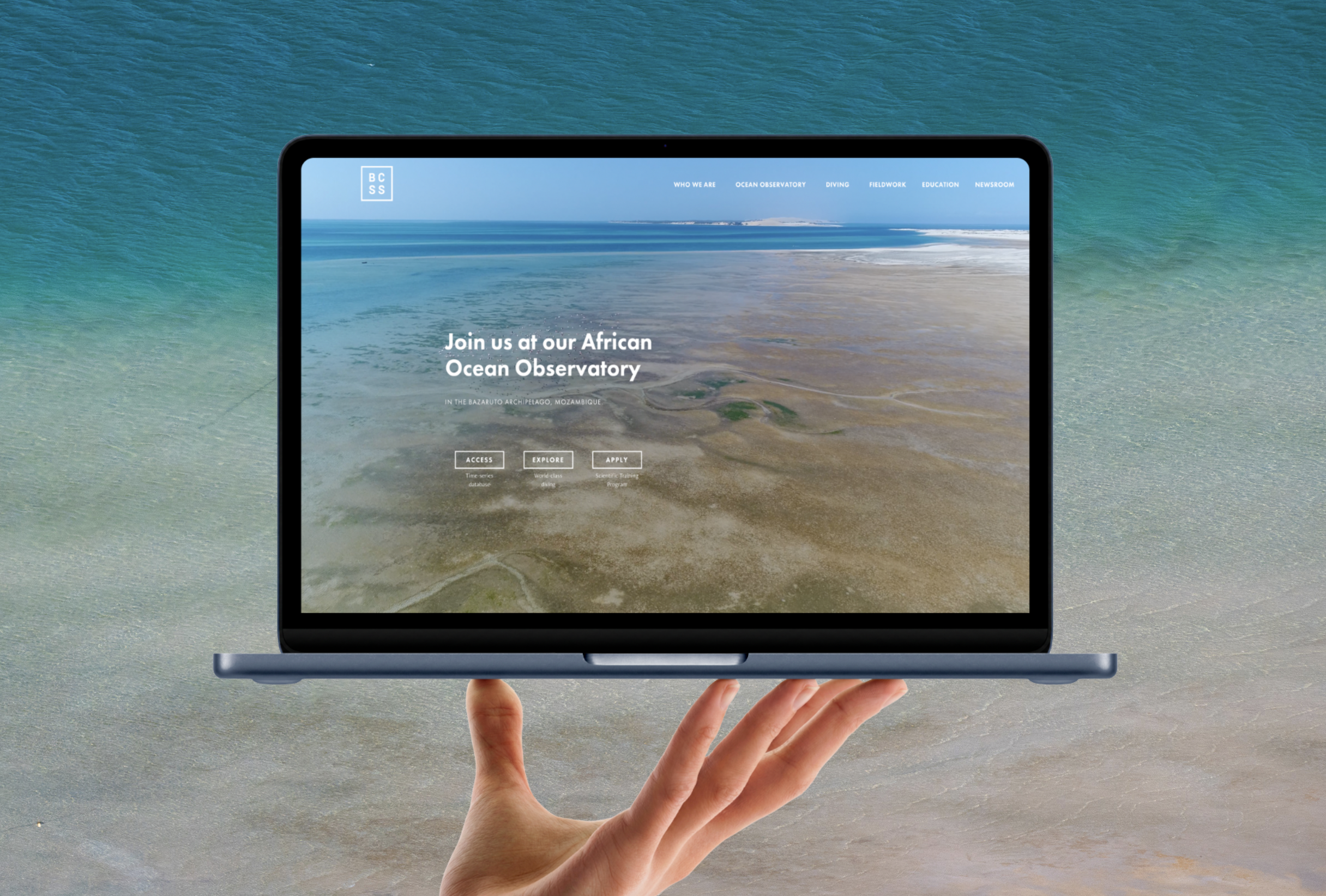
The BCSS website was restructured to better reflect the organisation’s dual role as both a scientific research institution and a public-facing platform. A series of targeted updates were implemented to improve clarity, navigation, and overall user experience — ensuring that complex information could be accessed and understood more easily by a wider audience. This included the redesign of key pages, refinement of content structure, and the introduction of new sections to support both scientific communication and user engagement.
Particular focus was placed on integrating more complex information — including data repositories, research outputs, and DOI-linked content — in a way that remains accessible without compromising accuracy or depth.
Alongside structural improvements, the website was strengthened from an SEO perspective through improved page hierarchy, keyword alignment, and content organisation, allowing BCSS to increase visibility while maintaining credibility.
The result is a more intuitive and scalable platform that supports both scientific dissemination and user interaction, while providing clear pathways for engagement, bookings, and partnerships.
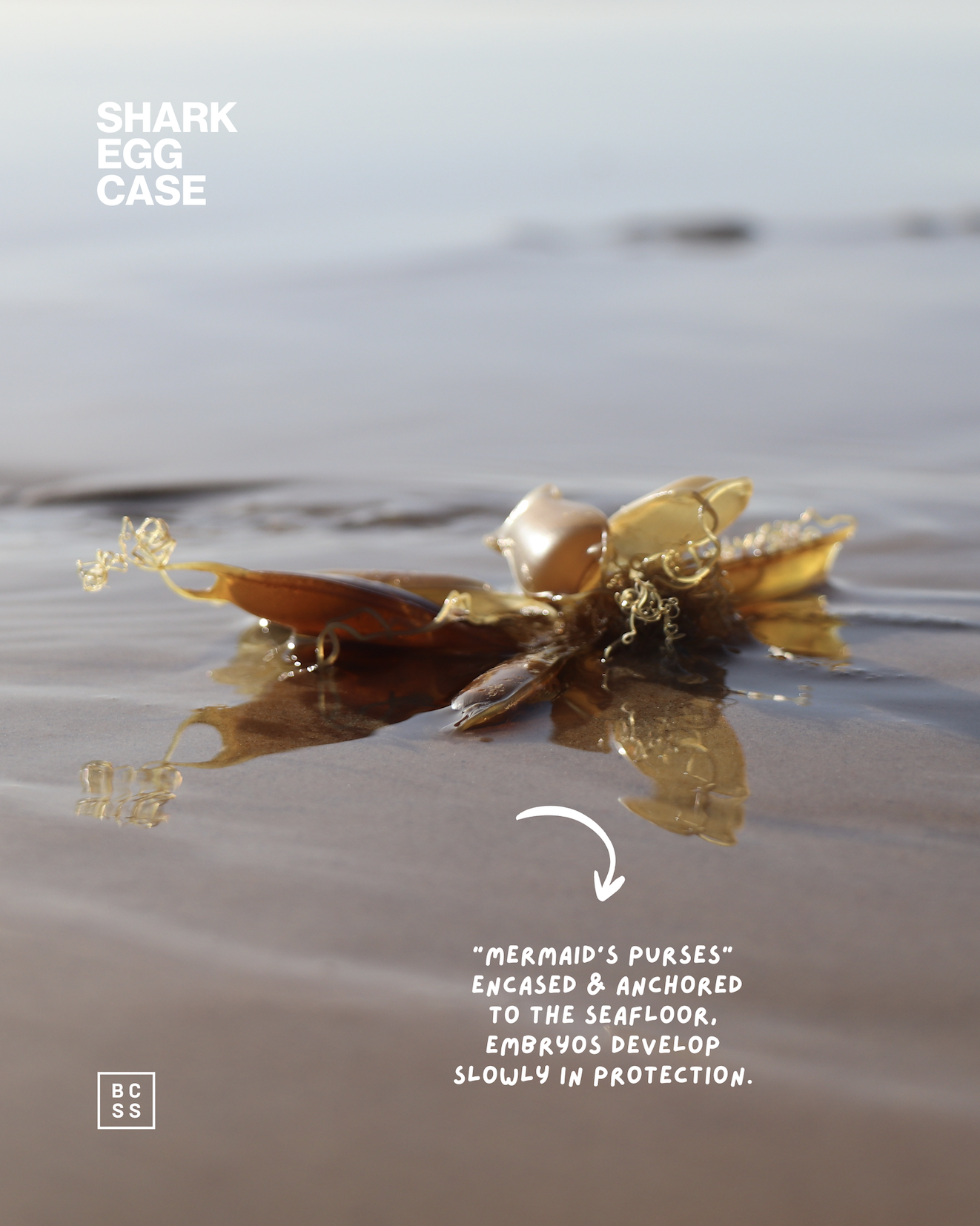
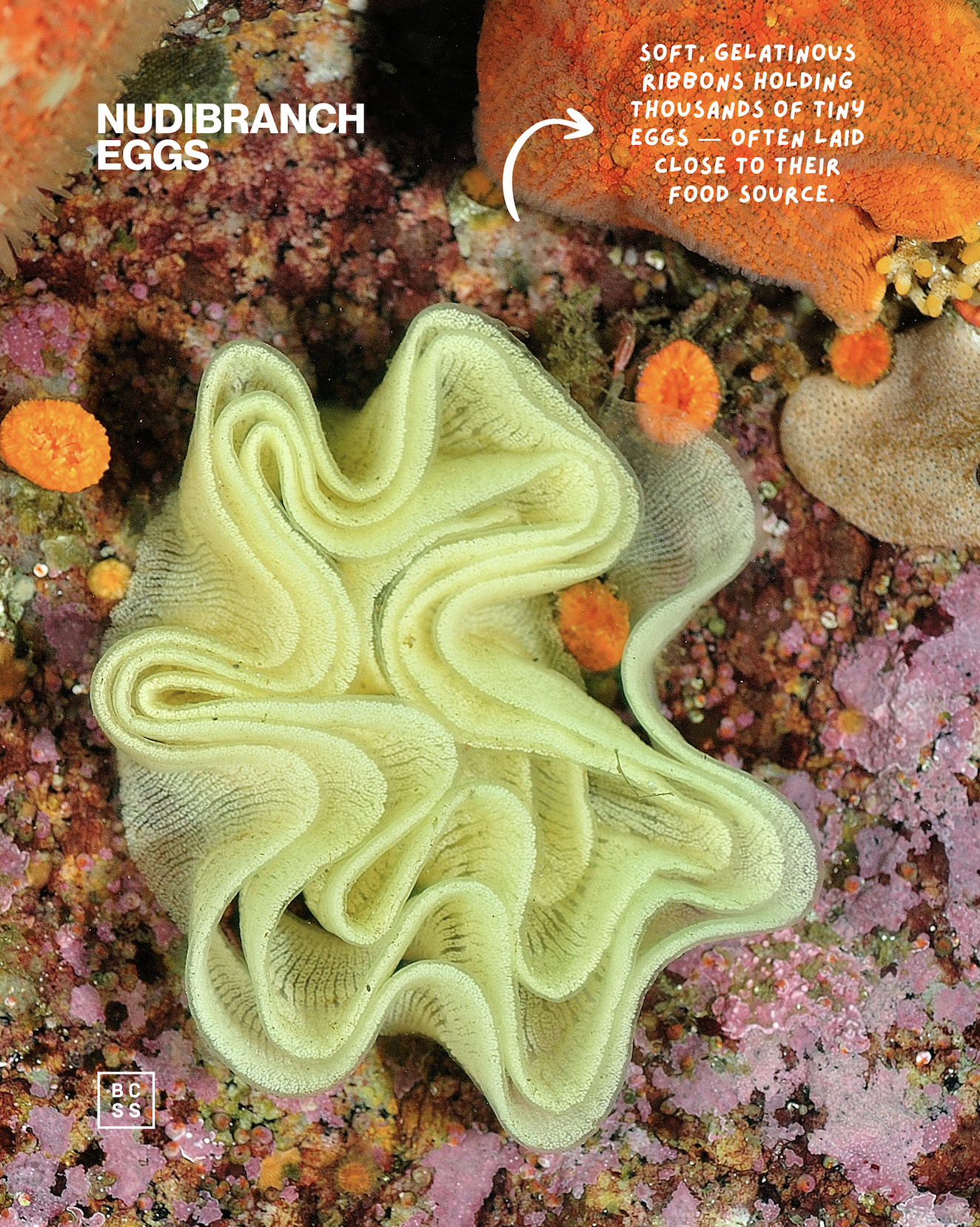
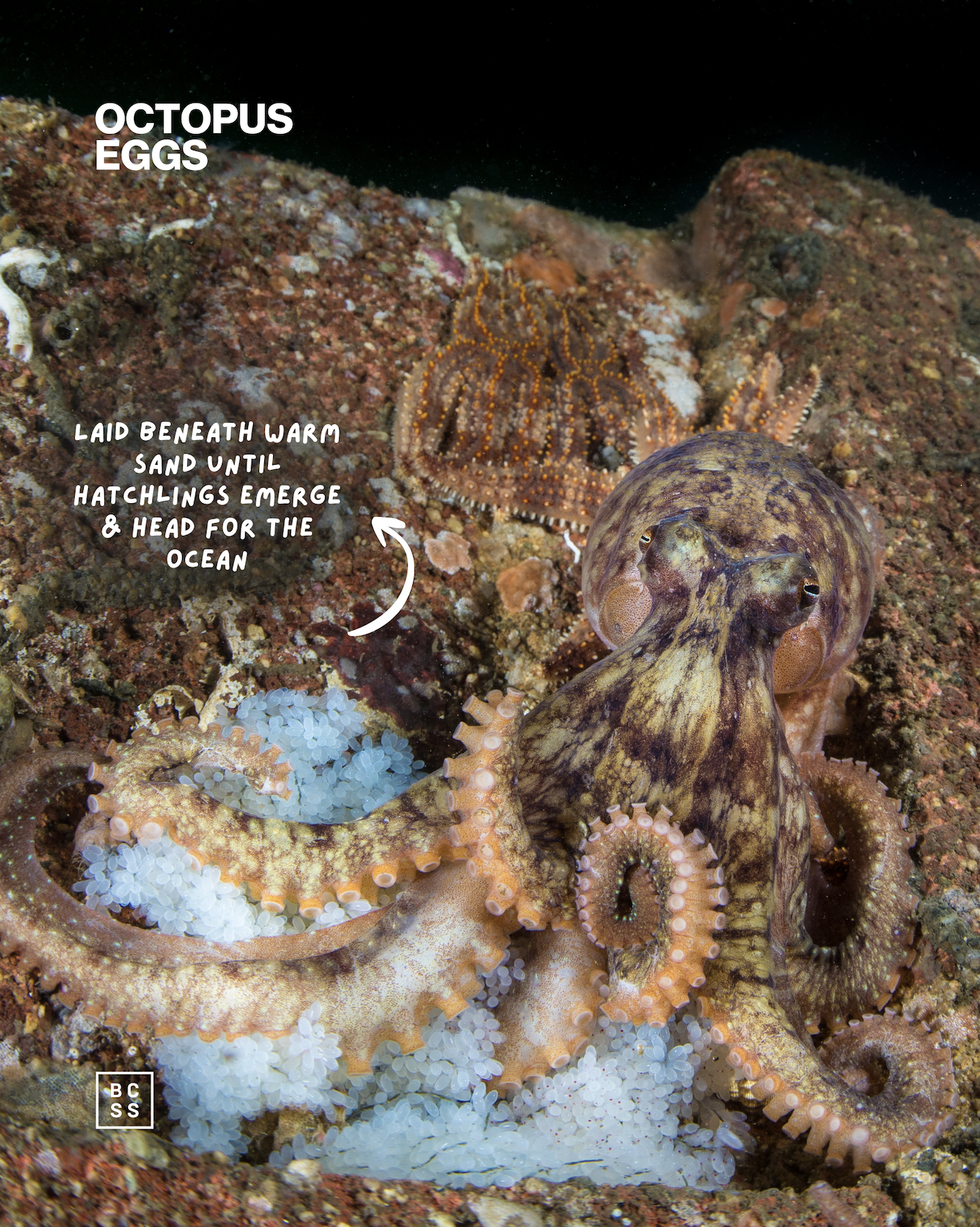
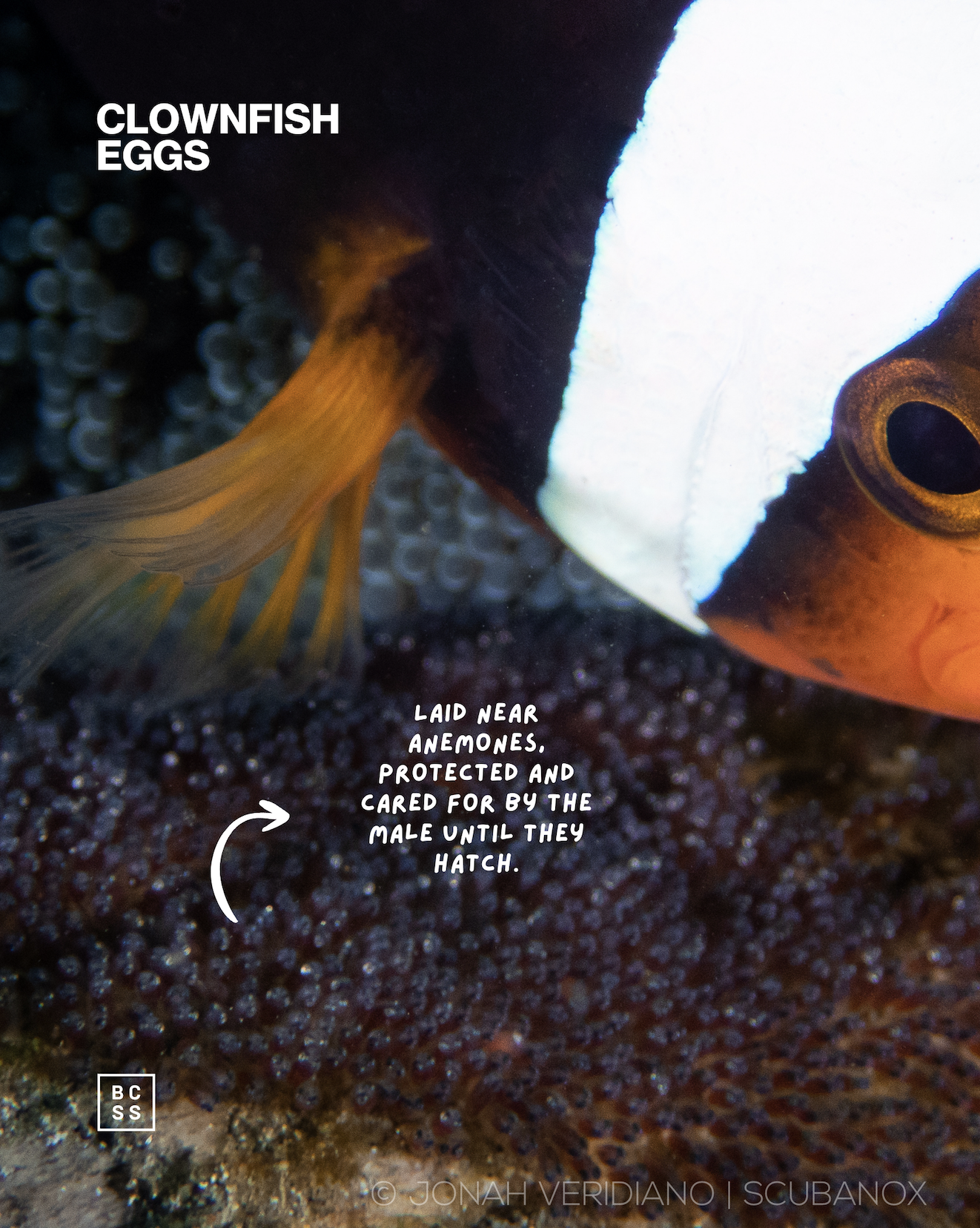
Content Strategy
A STRUCTURED CONTENT SYSTEM
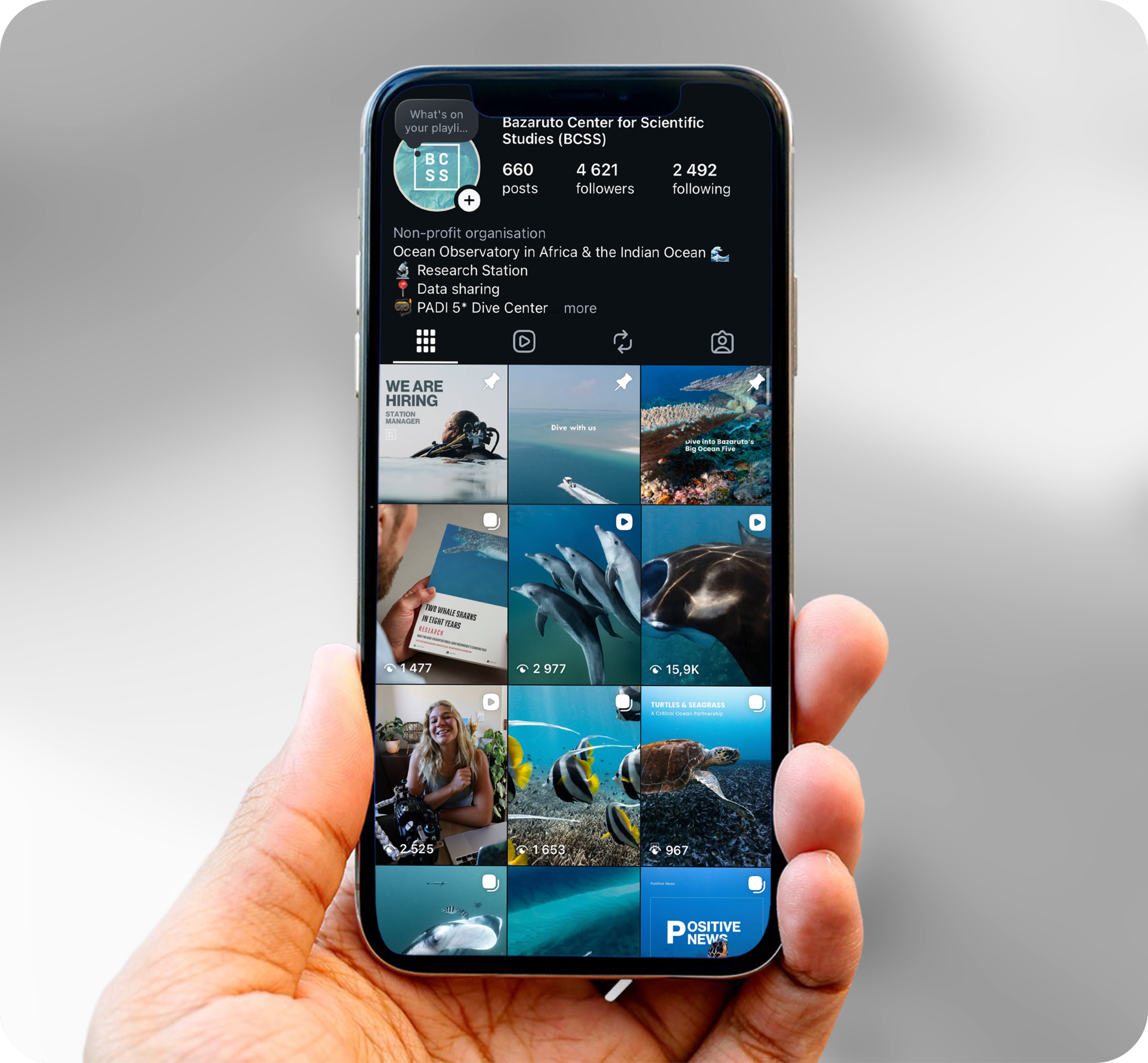
A structured content system was developed to translate BCSS’s scientific work into clear, engaging communication across digital platforms.
This included aligning internal teams around a consistent output framework, allowing research, conservation work, and field activity to be shared in a way that is both accessible and visually refined.
Content was designed to simplify complex information while maintaining scientific accuracy, ensuring that BCSS could communicate with both credibility and clarity across its audience.
-
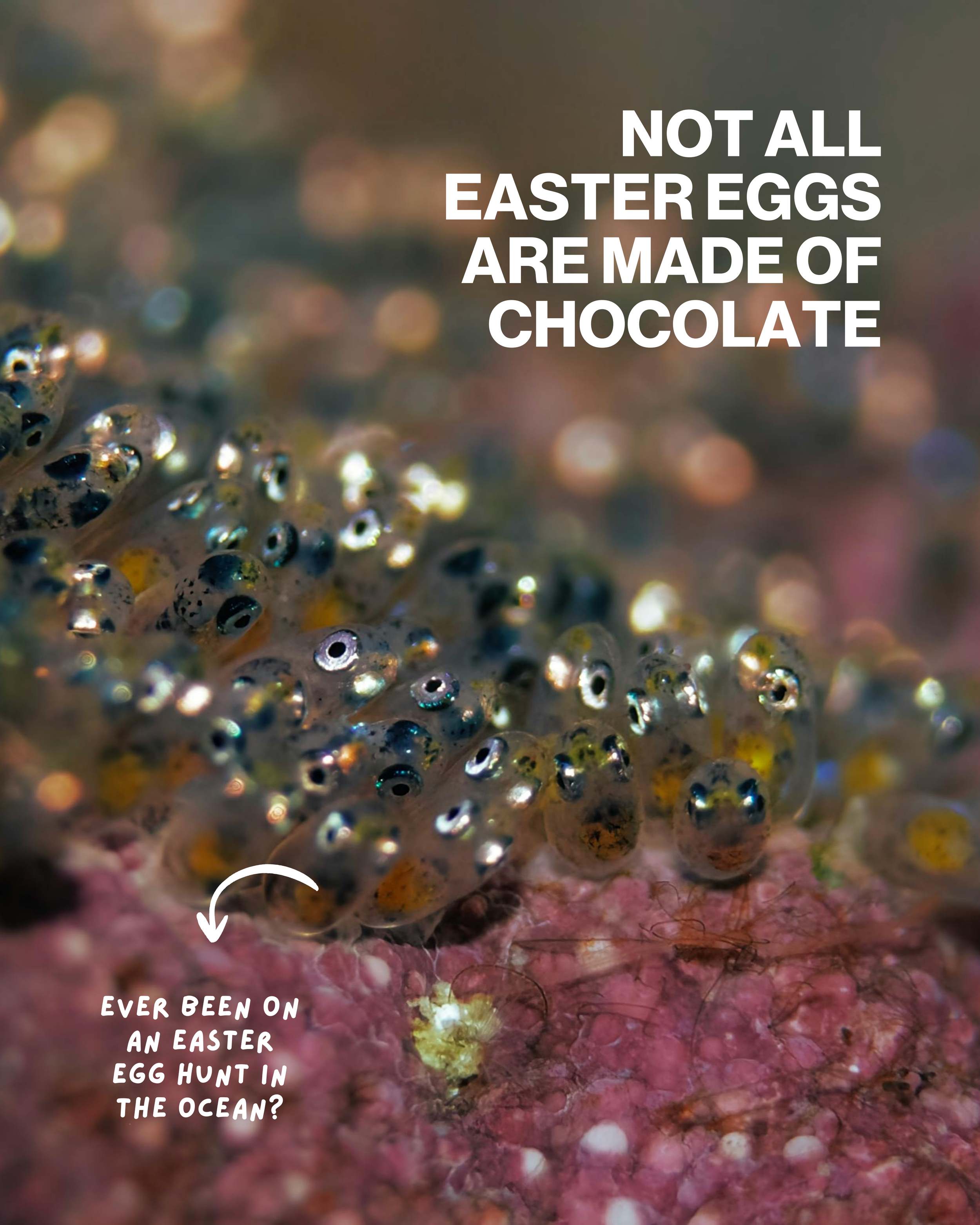
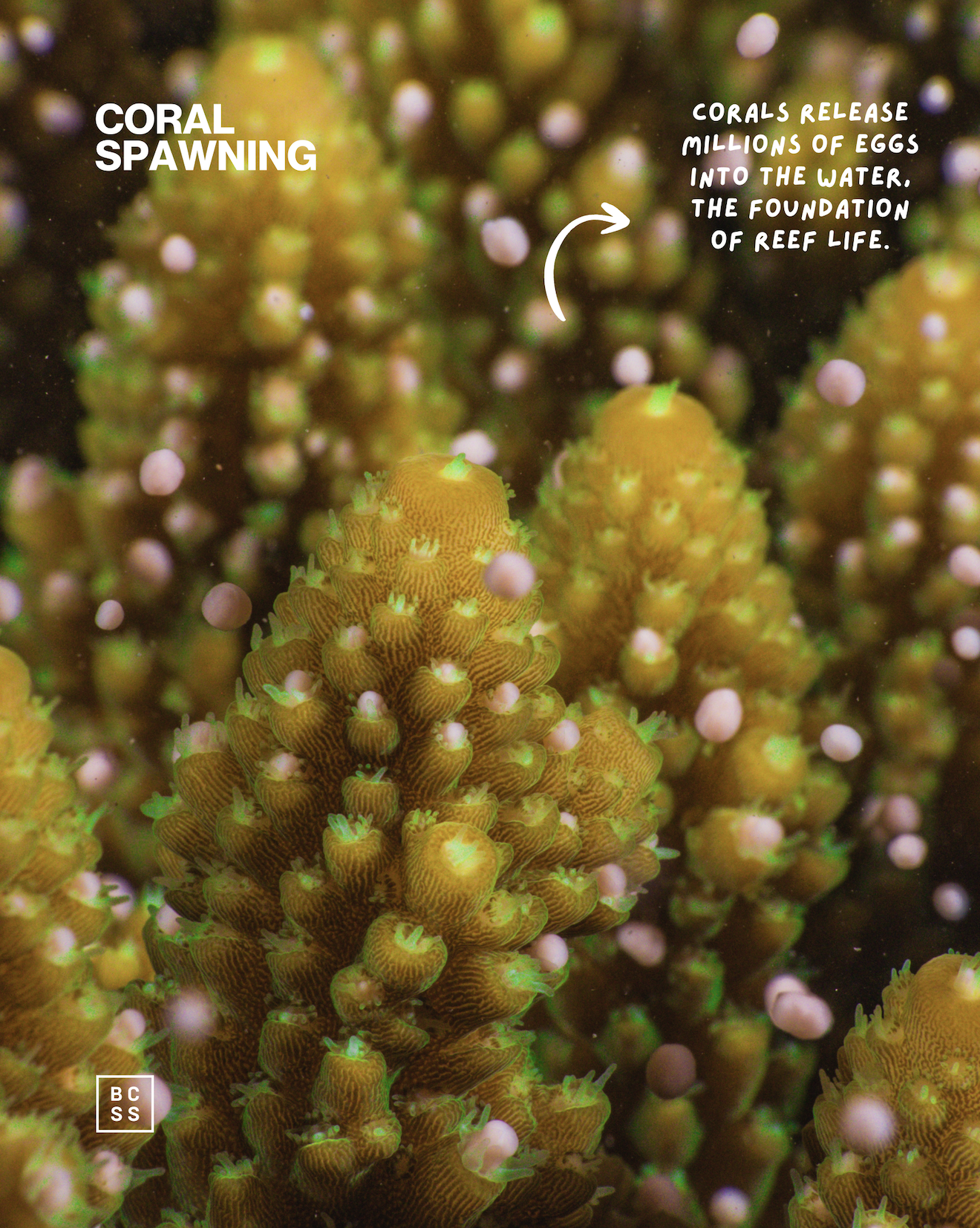
Rather than approaching social media as a series of isolated posts, the focus was on building a consistent framework that could support both education and engagement — while maintaining scientific accuracy. The strategy centred around a set of core content pillars: • Scientific Research — communicating ongoing studies, data, and findings in an accessible format • Conservation in Action — documenting fieldwork, partnerships, and real-world impact • Dive & Participation — positioning diving as a way to engage directly with conservation efforts • Education & Awareness — breaking down complex topics into digestible, visual content • People & Process — highlighting the scientists, teams, and operations behind the work Each pillar was designed to serve a specific purpose within the broader system — ensuring that content remains balanced, intentional, and aligned with BCSS’s mission.
Strategic Campaigns
-
Targeted campaigns were developed to support awareness, engagement, and dive bookings.
These campaigns combined structured content, visual storytelling, and performance marketing to create clear pathways from discovery to participation.
Each campaign was designed to align with BCSS’s broader positioning — ensuring that growth in bookings directly supports conservation and scientific research.
Paid Advertising
-
Performance marketing was introduced to support BCSS’s dive programme — the organisation’s primary revenue stream.
Campaigns were structured to reach a highly relevant audience, focusing on individuals actively seeking meaningful, conservation-led dive experiences.
Rather than positioning diving as a commercial product, the messaging framed participation as a direct contribution to ongoing research and conservation work.

Editorial Design
EDITORIAL BROCHURE DESIGN
A series of long-form, editorial-style brochures were developed as a central part of BCSS’s communication and engagement strategy. These documents were designed to translate complex scientific information, operational detail, and experiential offerings into structured, visually refined formats — allowing BCSS to communicate depth, credibility, and clarity across a global audience.
Each brochure was carefully designed to balance scientific accuracy with accessibility, combining detailed content with a clean, considered layout system that reflects the organisation’s visual identity.
The brochures now live as permanent assets on the BCSS website, acting as both informational resources and key conversion tools for partnerships, training programmes, and dive participation.
Campaign & Print
-
Supporting materials were developed to extend the brand into more immediate, campaign-driven environments.
This includes flyers and printed assets used for exhibitions, dive-related promotions, and on-the-ground engagement.
While more concise in format, these materials maintain the same level of visual consistency and clarity — ensuring that every touchpoint reflects the broader editorial system.
-
View Campaigns & Print Work
Magazine Publications & Media
-
As part of BCSS’s editorial output, Legs Brands supported content featured across international publications — positioning the organisation within both scientific and travel-focused media.
This includes Alert Diver Magazine (Divers Alert Network South Africa), Air France Magazine, and contributions to WIOMSA People Magazine — requiring a refined editorial approach that translates complex scientific work into clear, accessible formats for diverse global audiences.
In addition, presentation materials were designed for both international and regional events, enabling BCSS to communicate its research, partnerships, and operational work in a structured and visually cohesive way.
These presentations extend the editorial system into live environments — ensuring consistency in how BCSS is represented across conferences, industry engagements, and stakeholder interactions.
-
View publications below:
1) Air France Magazine — Envols, September Edition 2025 (128-140)2) Alert Diver Magazine — Divers Alert Network South Africa (DAN)
View editions below:
• Alert Diver Magazine — First Quarter Issue (2025)
• Alert Diver Magazine — Second Quarter Issue (2025)
• Alert Diver Magazine — Third Quarter Issue (2025)
• Alert Diver Magazine — Fourth Quarter Issue (2025)3) Western Indian Ocean Marine Science Association (WIOMSA)
Articles and contributions include:
Watching wisely: The untapped potential of whale and dolphin tourism in the Western Indian Ocean
First documented killer whale pod in southern Tanzania
Tracking Giants for Whale Conservation
Feeding in the Breeding Grounds: A First for East Africa’s Humpback Whales
A Humpback Whale’s Record-Breaking Journey: Into the Depths
First Multi-Sighting Records of Melon-Headed Whales in Southern Tanzania: Occurrence, behaviour, and interspecific associations of Risso’s dolphins in southern Tanzania
THE RESULTS
BCSS now operates with a cohesive digital ecosystem that aligns teams, streamlines communication, and elevates how its work is presented.
Complex scientific research is translated into clear, accessible content, strengthening engagement across both specialist and public audiences.
The organisation’s digital presence now reflects the depth and credibility of its work, while supporting dive participation as a meaningful contribution to conservation.
-
BCSS continues to be supported through an ongoing brand and marketing partnership — ensuring consistency, alignment, and continued evolution across all touchpoints.
This includes the ongoing management of content, campaigns, and digital platforms, allowing the organisation to respond to new research, partnerships, and opportunities in a structured and cohesive way.
Rather than operating as isolated outputs, all communication is managed within a unified system — maintaining clarity, visual consistency, and strategic direction over time.