

What Is Graphic Design? A Beginner-Friendly Breakdown
Graphic Design (In Simple Terms)
So what is graphic design? It’s one of the most common questions from students, school leavers, and creatives exploring career paths in 2026.
Graphic design is everywhere — even when you don’t notice it.
A Quick Definition
Graphic design is the process of using visual elements — like typography, colour, layout, and imagery — to communicate a message clearly and effectively.
It sits at the intersection of:
Creativity
Communication
Strategy
Psychology
Technology
Design isn’t just about making things “look nice.” It’s about making information feel intuitive, memorable, and emotionally resonant.
A Brief History of Graphic Design
Graphic design has been around long before computers.
It evolved through major cultural shifts:
Print design (posters, books, newspapers)
Modern branding (logos and identity systems in the 20th century)
Digital design (websites, apps, social media)
Motion and interactive design (today’s content-first world)
As communication has changed, design has become one of the most powerful tools in shaping how people understand brands, products, and ideas.
The Core Principles of Graphic Design
Every strong design — whether it’s a logo or an Instagram ad — is built on foundational principles.
Here are the essentials:
1. Layout and Composition
Layout is how elements are arranged on a page or screen. Good layout guides attention and creates structure.
2. Typography
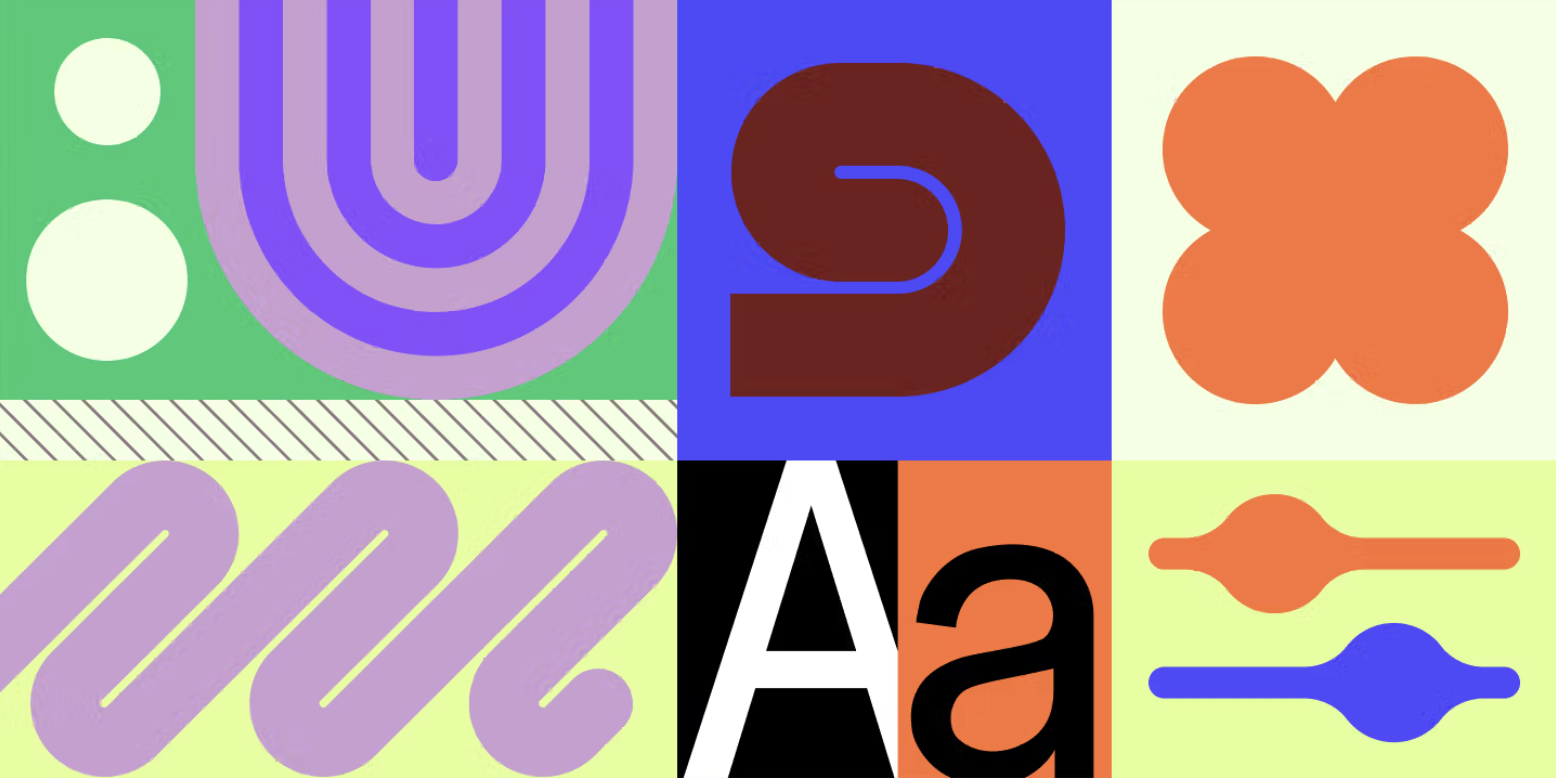
Fonts communicate personality. A luxury brand and a streetwear label shouldn’t look the same — typography sets the tone.
Explore type inspiration via Google Fonts.
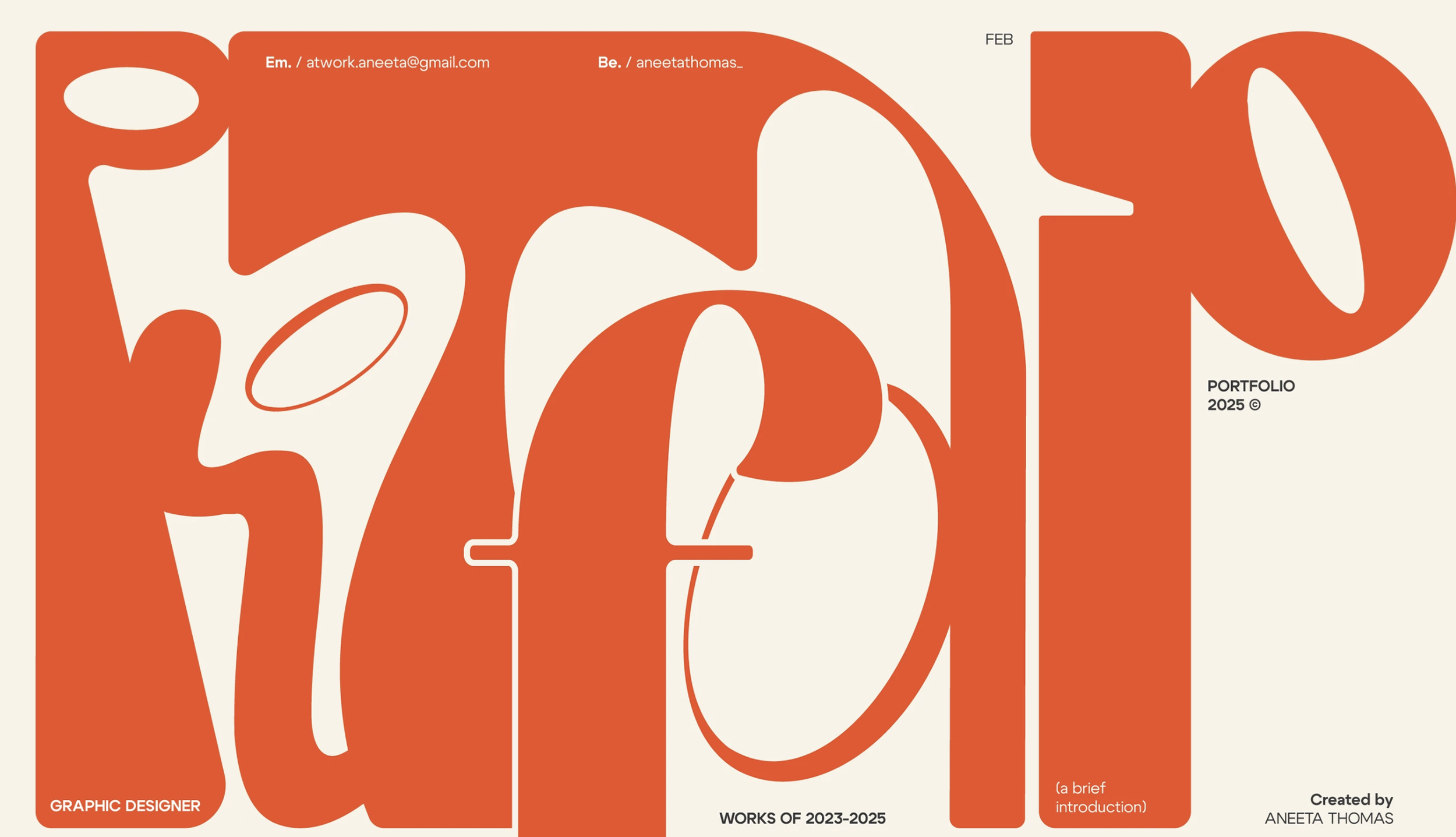
Image from Behance.net
3. Colour Theory
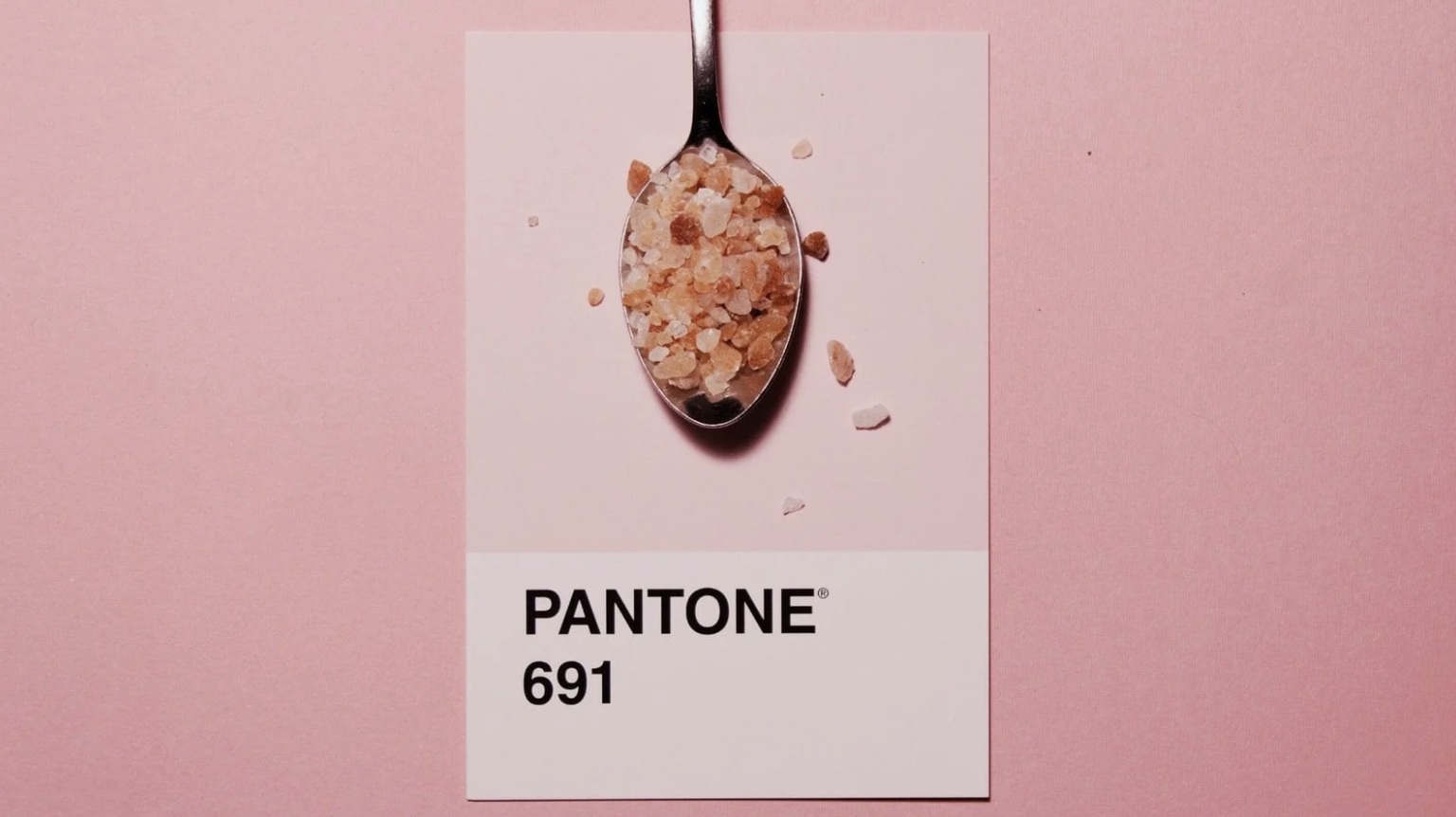
Colour affects emotion and meaning. Designers use contrast, palettes, and psychology to influence how something feels.
Try palette tools like Coolors.
4. Visual Hierarchy
Hierarchy controls what people notice first, second, and third. It’s the difference between clarity and chaos.
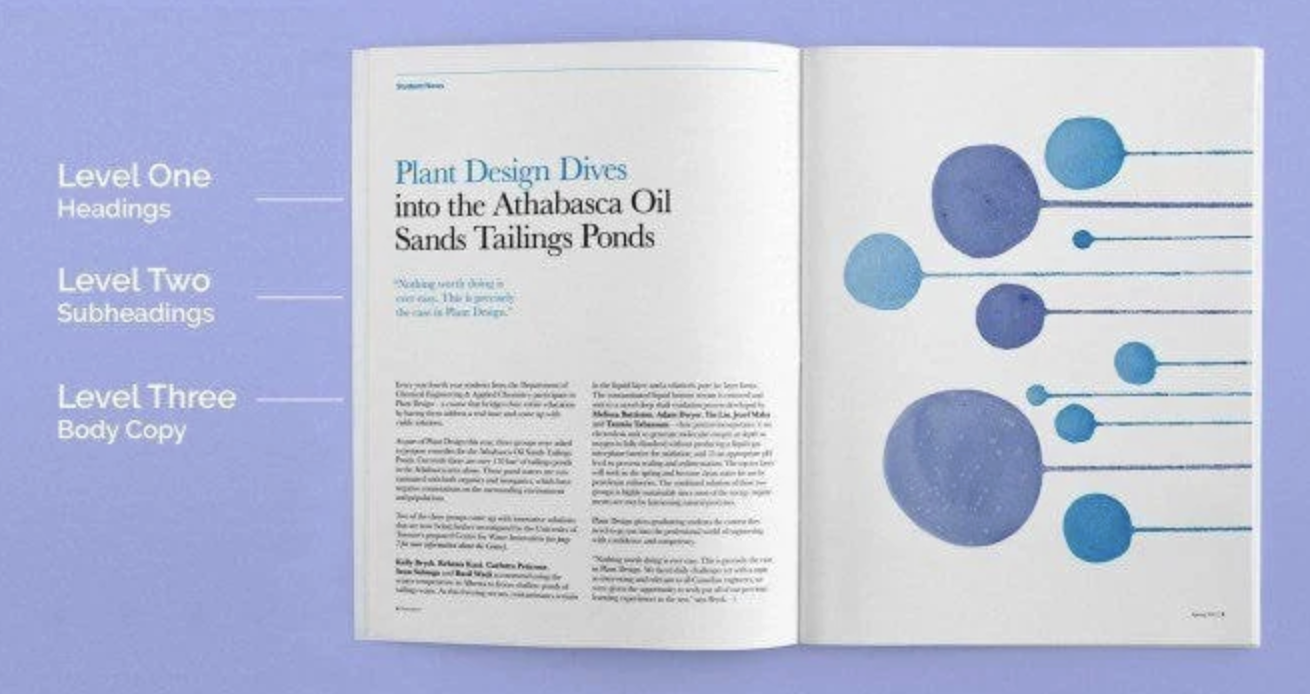
Image from canva.com
5. Balance and Whitespace
Whitespace isn’t “empty.” It’s breathing room — and it makes design feel premium, focused, and intentional.

Image from Toptal.com
Where Graphic Design Shows Up in the Real World
Graphic design isn’t one job — it’s a field with endless applications.
Here are some of the most common:
Branding and logos
Marketing campaigns and ads
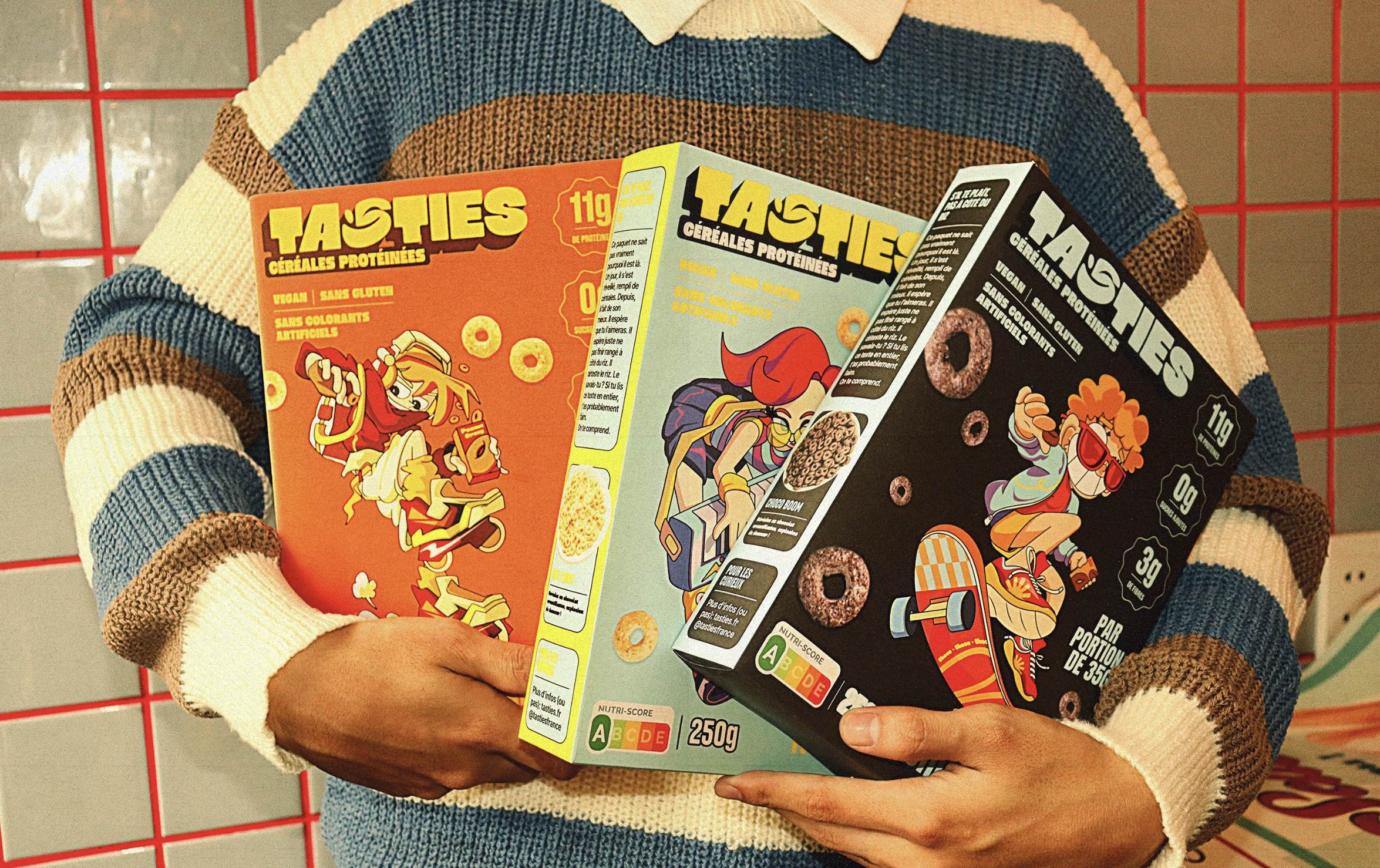
Packaging design
Web and app design
Product design systems
Editorial layouts
Social media content
Whether you’re designing a billboard or a mobile interface, the goal is always the same: communicate visually with impact.
Common Tools Graphic Designers Use in 2026
Design today is powered by modern software — and beginners have more access than ever.
Here are the industry staples:
Adobe Illustrator — Logos and vector design
Adobe Photoshop — Image editing and compositing
Figma — UI/UX and collaborative design
Canva — Fast content creation for non-designers
Procreate — Illustration on iPad
Tools matter — but creativity and taste matter more.
Different Types of Graphic Design
Graphic design is not one lane. Many designers specialise over time.
Some key areas include:
Print Design: posters, books, magazines, brochures.
Digital Design: websites, social media, email design.
Motion Design: animated typography, reels, video graphics.
UX/UI Design: user experience and interface design for apps and platforms.
Packaging Design: physical product design that tells a brand story instantly.
Most designers start broad, then niche down as they grow.
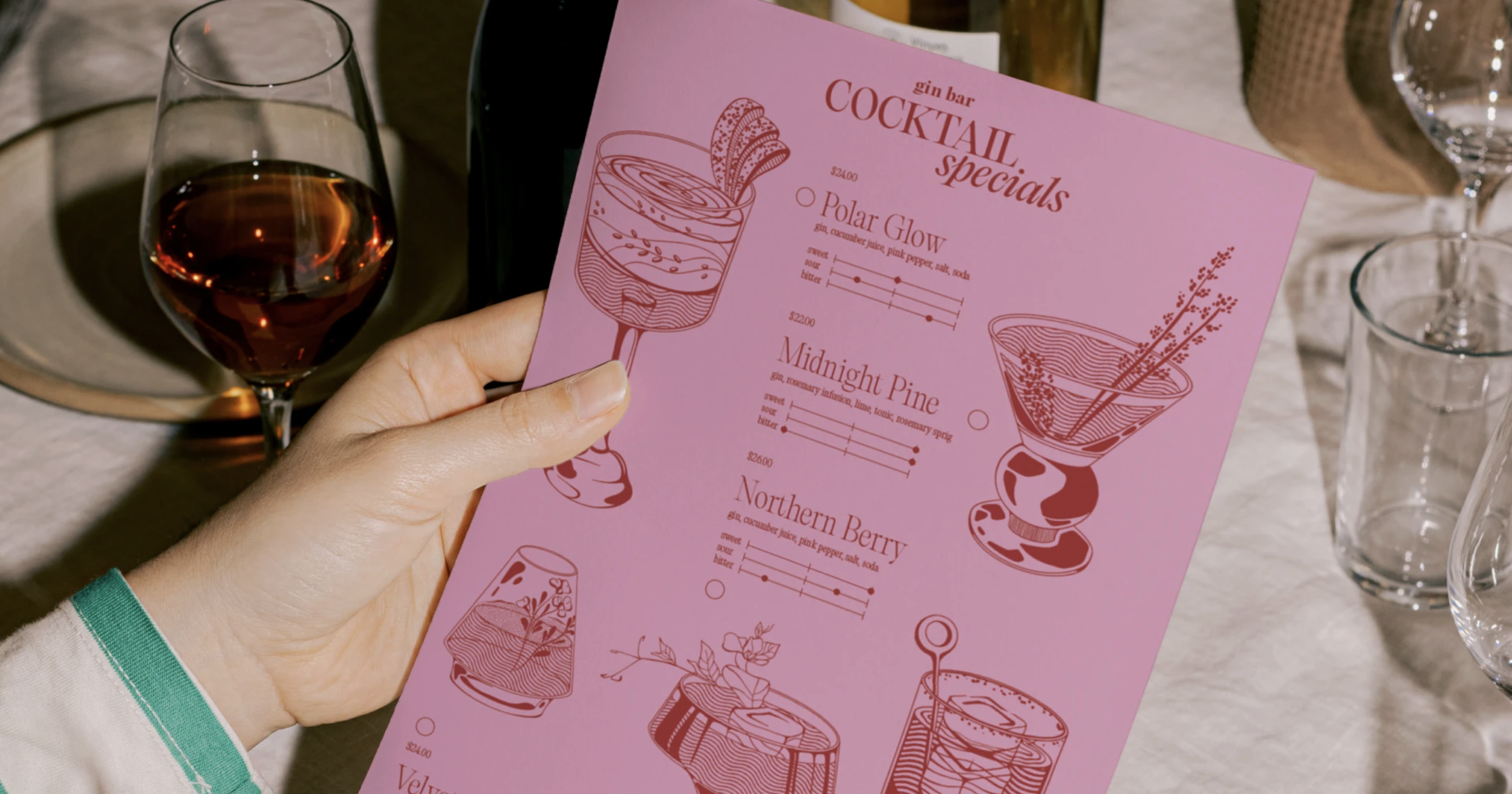
Image from Behance.net
Careers in Graphic Design (Beginner Overview)
Graphic design can lead to many creative career paths, including:
Junior Graphic Designer
Brand Designer
Social Media Designer
UX/UI Designer
Motion Designer
Packaging Designer
Creative Strategist
Freelance Designer
It’s one of the most flexible creative industries — remote, freelance-friendly, and globally in demand.
Why Graphic Design Matters More Than Ever
In a world flooded with content, design is the filter.
Design shapes:
Brand trust
User experience
Attention and engagement
Emotional connection
Conversion and clarity
It’s how businesses communicate quickly in a scroll-first economy.
That’s why understanding what is graphic design isn’t just useful for designers — it’s useful for anyone building a brand.
How to Get Started in Graphic Design
If you’re starting from zero, here’s the best approach:
Start Small: learn the basics of layout, typography, and hierarchy before mastering software.
Learn Through Practice: recreate posters, redesign brands, build fake campaigns — that’s how skills grow.
Use Beginner-Friendly Resources: platforms like Coursera and Skillshare offer accessible design courses.
Build a Simple Portfolio: even 3–4 practice projects can become your first showcase.
This is the real intro to graphic design journey: curiosity, repetition, and growth over time.
Legs Brands Takeaway
At Legs Brands®, we work with brands across lifestyle, conservation, wellness, and purpose-led industries — and we’re passionate about mentoring the next generation of creatives through transparent content and real-world examples.
If you want to see what graphic design looks like in action, exploring professional work is one of the best ways to learn.
Graphic design is more than visuals — it’s communication, clarity, and creativity combined.
If you’re curious about design as a career, the best next step is simple:
Start exploring. Start creating. Stay curious.
👉 Check out some of the design work that we have done for our clients.
