

We Stopped Chasing SEO Scores. Here's What Actually Improved Our Website
A reflection by Evan Hamlyn, Founder of Legs Brands®
Welcome to Field Notes. Our journal of real projects, real decisions and real lessons from the work we do every day.
No theory. No recycled advice. Just practical insights from the field, shared to help other businesses grow.
A few months ago, I found myself celebrating a website score that, in hindsight, didn't really matter.
The pages were loading quickly.
The SEO plugin was happy.
The technical issues we'd been working through were disappearing one by one.
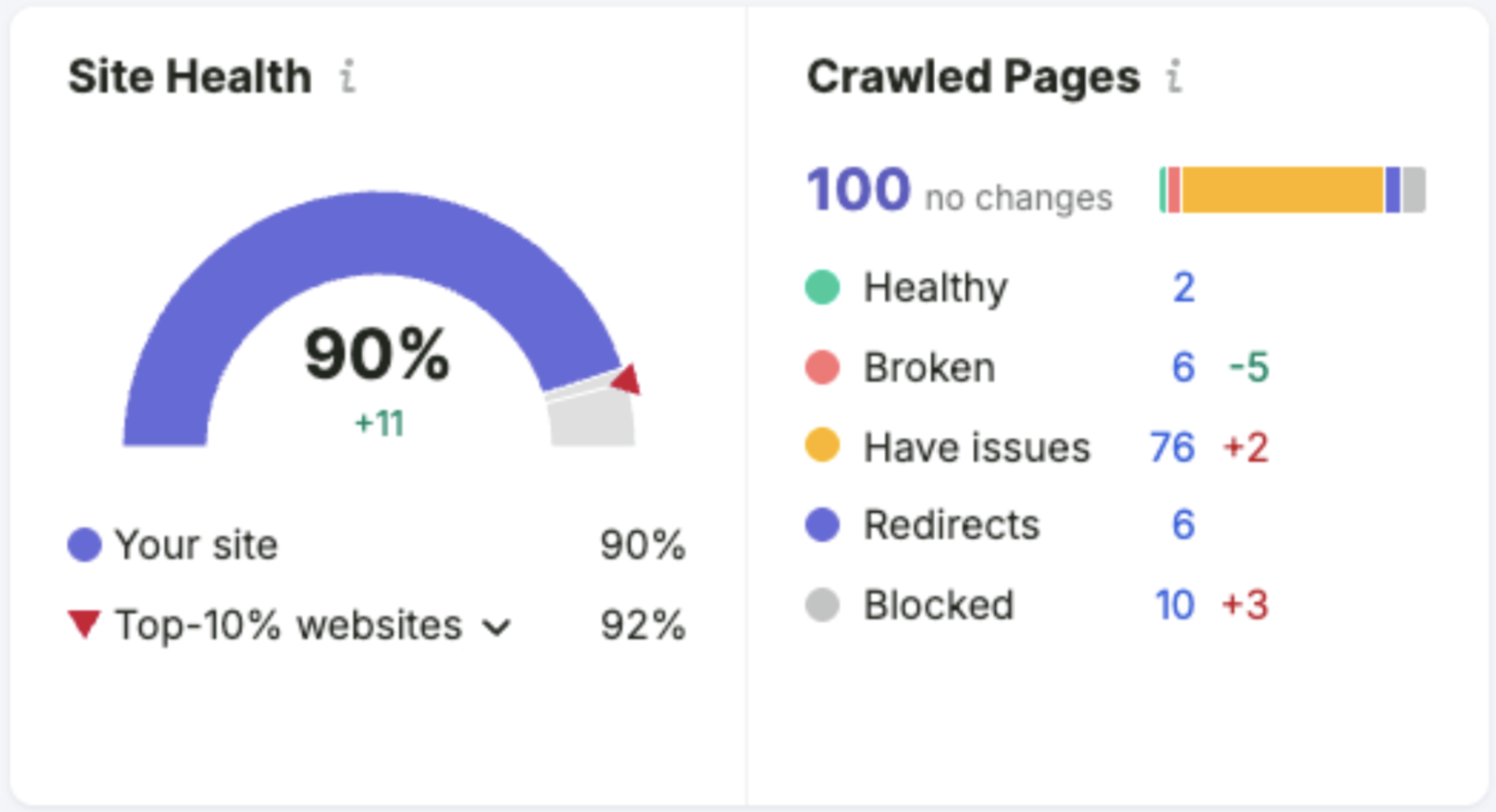
On paper, our website had never looked healthier.
So why did parts of it still feel so forgettable?
That question bothered me more than I expected.
Because if I'm honest, we'd fallen into exactly the same trap I see a lot of businesses fall into.
We'd started measuring the things that were easiest to measure.
Site health.
Readability scores.
PageSpeed.
Keyword optimisation.
Internal links.
None of those things are bad.
In fact, they still matter.
But somewhere along the way, they'd quietly become the goal instead of the foundation.
We weren't building a website people would remember.
We were building a website SEO tools would approve of.
They're not always the same thing.

Evan Hamlyn, Founder
Field Note #1
Just because your website scores well...
...doesn't mean anyone will remember reading it.
I don't think this happened overnight.
For years, the SEO industry rewarded optimisation.
Publish more.
Target more keywords.
Improve your readability score.
Add another internal link.
Write another 2,000-word guide.
Tick enough boxes and eventually Google would notice.
For a long time, that worked.
In many ways, it still does.
But while rebuilding our own website, I started noticing something uncomfortable.
The pages that sounded the safest were also the ones I was least excited to publish.
If I was bored writing them...
Why would anyone enjoy reading them?
That was an uncomfortable question to ask ourselves.
Especially as a branding and marketing agency.
Because if our own content felt predictable, what chance did it have of standing out in a search result alongside twenty agencies saying almost exactly the same thing?
We Were Optimising the Website.
Not the Experience.
One of the biggest misconceptions about SEO strategy 2026 is that good optimisation automatically creates good content.
It doesn't.
Technical SEO helps people find your work.
It doesn't make your work worth finding.
That's an important distinction.
A page can be perfectly structured.
It can load in under two seconds.
It can tick every recommendation from your SEO plugin.
And it can still leave absolutely no impression on the person reading it.
That's the trap we realised we'd fallen into.
Not because we'd ignored SEO.
Because we'd become so focused on optimising the mechanics that we'd stopped asking a much simpler question.
"Would I actually recommend this article to someone?"
That question became surprisingly useful.
If the answer wasn't an immediate yes...
It probably wasn't finished.
Field Note #2
Search engines can help people find your content.
Only your thinking gives them a reason to stay.
The First Surprise Was That Less Content Started Feeling Stronger
When we began auditing our own website, we assumed the biggest improvements would come from adding more.
More landing pages.
More blogs.
More keywords.
More internal links.
Instead, we found ourselves asking a completely different question.
"If we were discovering our own website for the first time today, what would we actually keep?"
That was a surprisingly uncomfortable exercise.
Because once you stop looking at a website as its creator and start looking at it as a visitor, you notice things differently.
You notice repetition.
You notice generic advice.
You notice articles that exist because someone, somewhere, said they were good for SEO.
Not because they were genuinely worth reading.
There were pages that technically weren't bad.
They were simply unnecessary.
They said almost exactly what another page already said.
They competed with one another.
They diluted the stronger ideas.
For years, we'd been treating content like an asset that always increased in value.
The reality was the opposite.
Some content quietly creates noise.
And noise makes it harder for your best work to be found.
Field Note #3
Publishing more content doesn't automatically make your website better.
Sometimes it just makes your best work harder to discover.
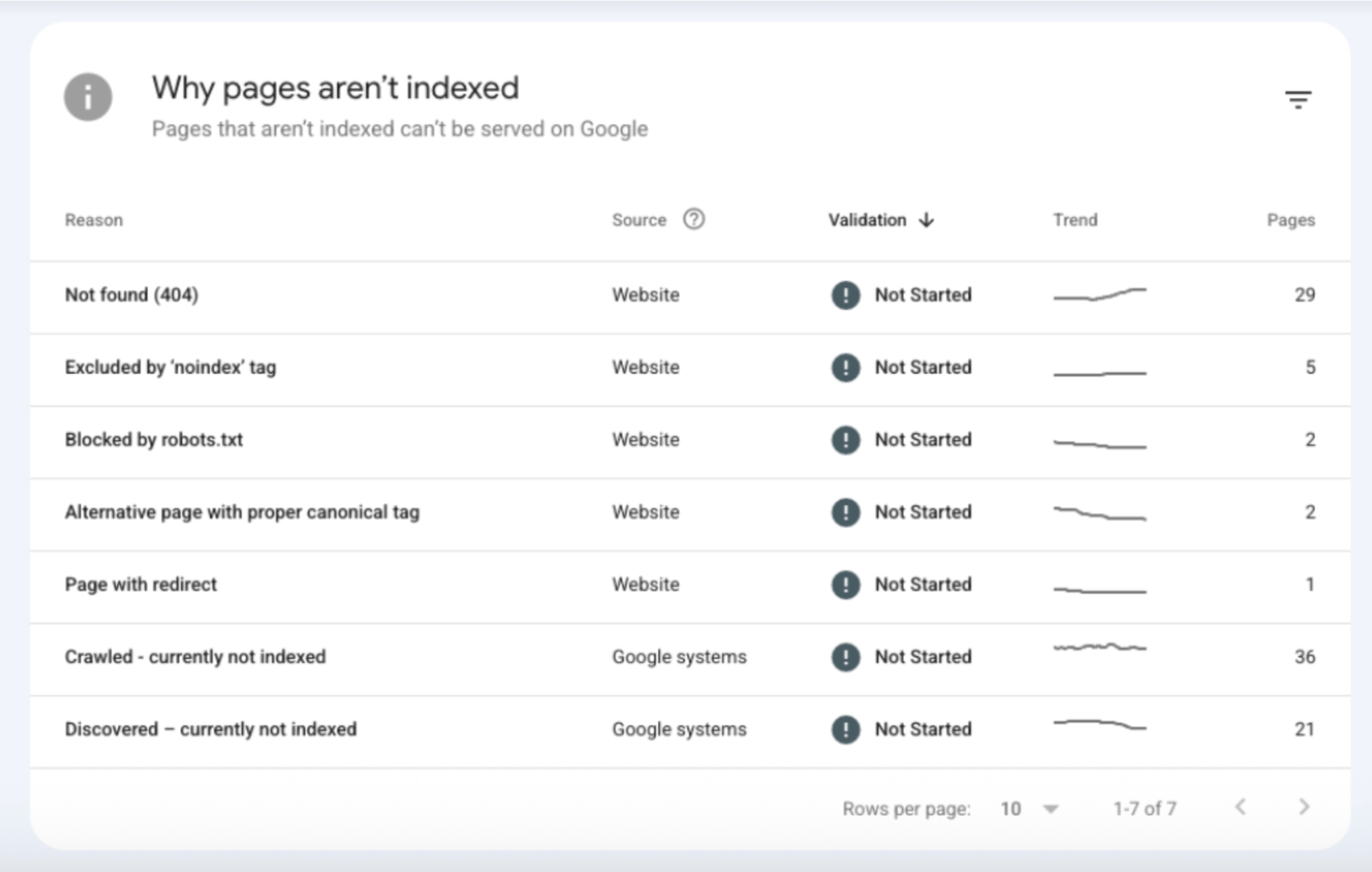
During our own audit, we realised we had multiple pages talking about similar marketing services. Individually, they weren't bad. Together, they were competing with each other, creating unnecessary complexity for both users and search engines. Instead of rewriting all of them, we consolidated them into a single, stronger resource.
The SEO industry has spent years telling businesses to publish more.
More articles.
More keywords.
More pages.
More opportunities to rank.
So deliberately reducing the amount of content on our own website almost felt like breaking an unwritten rule.
But we weren't trying to build the biggest website.
We were trying to build the most useful one.
There's a difference.
A library with ten exceptional books is more valuable than one hundred forgettable ones.
I think websites work much the same way.
Then AI Changed the Conversation
Around the same time, something else was happening.
People weren't just searching Google anymore.
They were asking ChatGPT, Google AI Search, Perplexity and Gemini the same questions they used to type into a search bar.
That shift felt subtle at first.
Then suddenly it felt enormous.
Because AI doesn't need another hundred articles explaining what SEO is.
It already knows those.
What AI is looking for is evidence.
Original observations.
Real examples.
Documented experience.
The things that can't simply be paraphrased from someone else's blog.
That was probably the biggest shift in our thinking.
For years, the question had been,
"How do we rank?"
Now it became,
"How do we become worth referencing?"
They're completely different objectives.
One is about visibility.
The other is about authority.
I don't think AI changed what makes great content.
I think it simply exposed how much average content already existed.
If ten agencies all publish the same advice using slightly different wording...
Why would anyone, human or AI, choose one over the others?
That's when we realised something slightly uncomfortable.
We didn't need to become better at writing about SEO.
We needed to become better at documenting our own experiences with SEO.

Field Note #4
The future of search doesn't belong to the businesses saying the same thing more efficiently.
It belongs to the ones saying something only they can say.
That's Why Field Notes Exists
People sometimes ask why we started writing these articles instead of publishing more traditional SEO guides.
The answer is simple.
Because we didn't want to compete with AI.
We wanted to contribute something AI couldn't invent.
Every Field Note starts in the same place.
A real project.
A real conversation.
A real challenge.
Sometimes we get things right.
Sometimes we don't.
Sometimes a client changes the way we think about an entire discipline.
Those are the stories worth documenting.
Not because they make us look clever.
Because they're useful.
Anyone can explain what AI search optimization is.
Far fewer people can explain how their thinking about it changed after rebuilding their own website.
That's the kind of content I find myself reading now.
Not because it's perfectly optimised.
Because it feels honest.
Because it has fingerprints all over it.
Because you can tell there was a real person on the other side of the keyboard.
And increasingly, I think that's becoming one of the strongest competitive advantages any brand can have.

The Legs Take
Looking back, I don't think the biggest change we made was improving our website.
It was improving the way we think.
For a long time, we treated SEO as something separate from branding.
SEO was technical.
Branding was creative.
Content sat somewhere in the middle.
Now I think they're all part of the same conversation.
Because every page on your website is shaping how people perceive your business.
Every article is teaching search engines and AI systems what you're an authority on.
Every opinion you publish either strengthens your positioning or makes you sound like everyone else.
That's why I don't think SEO strategy 2026 is really about SEO anymore.
It's about trust.
When someone lands on your website, they aren't asking themselves whether your keyword density is correct.
They're asking much simpler questions.
"Do these people know what they're talking about?"
"Have they actually done this before?"
"Do I trust them?"
That's what we should be optimising for.
Everything else supports that.
Technical SEO still matters.
Fast websites still matter.
Site structure still matters.
We'll continue improving all of those things.
But they're the foundations.
They're not the building.
The building is your thinking.
Working on our own website forced us to accept something uncomfortable.
Some of our content was technically excellent.
It just wasn't memorable.
So we stopped trying to create more content.
We started trying to create better evidence.
Evidence that we'd done the work.
Evidence that our opinions came from experience.
Evidence that our ideas had been tested on real projects with real clients.
That's ultimately what led to the Field Notes series.
Not another content campaign.
A commitment to documenting what we're genuinely learning as we build brands, websites and marketing strategies every day.
I don't know exactly what search will look like five years from now.
Neither does anyone else.
But I do feel confident about one thing.
Original thinking has never been more valuable.
As AI becomes better at summarising what's already been said, the opportunity shifts to the people willing to say something new.
Not for the sake of being different.
Because they've actually experienced it.
That's where I think the future belongs.
What We Changed on Our Own Website
Rather than chasing a perfect SEO score, we changed the way we approached content altogether.
✓ Consolidated overlapping content
✓ Removed thin and outdated pages
✓ Shifted from generic blogs to Field Notes
✓ Prioritised original experience over recycled advice
✓ Focused on fewer, higher-quality articles
✓ Built content around real client work
✓ Wrote for people first, AI second
None of those changes happened overnight.
Together, they've fundamentally changed the way we think about creating content.
If Your Website Is Still Chasing Yesterday's SEO Playbook...
...it might be time to rethink the strategy behind it.
The businesses succeeding in search today aren't necessarily publishing the most content.
They're publishing the most useful content.
The kind that's grounded in experience.
The kind that's remembered.
The kind that's referenced.
If your website still feels like a collection of keywords rather than a collection of ideas, we'd love to help.
Whether it's SEO strategy 2026, AI search optimisation, website SEO improvements, content strategy or a complete content audit, we'll help you build a website that's designed not just to rank—but to become a resource that both people and AI systems trust.
Book a strategy session with Legs Brands and let's build a website that's ready for where search is going, not where it's been.
